Tehran Vows Strait of Hormuz Stays Under Iranian Sovereignty After Trump’s Bold Claim
A Territorial Dispute Takes Center Stage
Usagevpn.com – Iran has firmly rejected any possibility of losing control over the Strait of Hormuz, declaring that the critical waterway “will remain Iranian” following an unexpected challenge from American leadership. The statement came as a direct counter to President Donald Trump’s announcement that he intends to formally designate the strategic passage as a territory belonging to the United States.
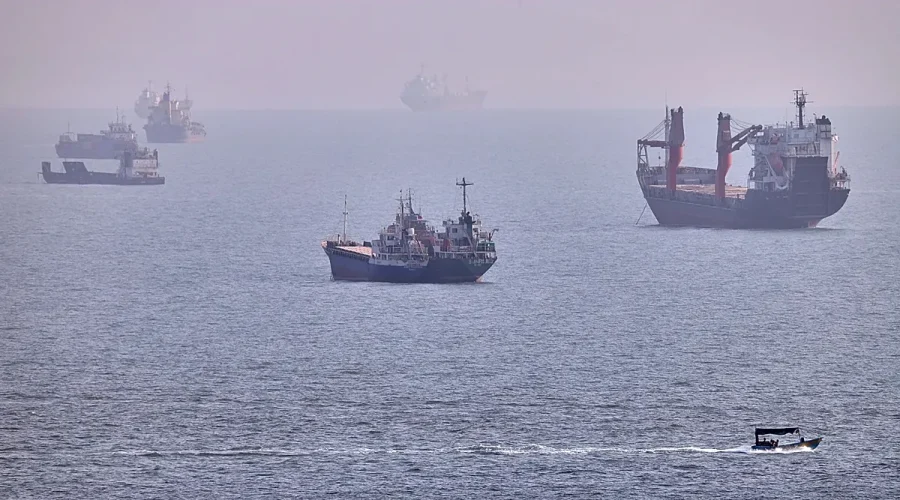
The Strait of Hormuz represents one of the most vital maritime corridors in global commerce, linking the Persian Gulf with the Gulf of Oman and ultimately the Arabian Sea. This narrow channel has become a focal point of contention between Washington and Tehran, particularly after Iran effectively sealed off the passage following the commencement of hostilities in late February. The waterway typically transports approximately twenty-five percent of all seaborne oil traded worldwide, making any disruption to its operations a matter of international concern.
During a public address in New York on Friday, Trump expressed confidence in American military superiority over Iran while simultaneously announcing his territorial ambitions. With evident satisfaction, he remarked that once American forces complete their campaign against Iran, which he characterized as being “very badly defeated,” he would promptly move to declare the Hormuz Strait a territory of the United States. He emphasized that American forces currently maintain complete control over maritime traffic through the strait, noting that “no ships get through unless we want them to.”
Tehran’s Defiant Response
While observers questioned whether Trump’s declaration reflected serious policy intent or merely rhetorical posturing, Iranian officials responded with characteristic firmness. Kazem Gharibabadi, Iran’s Deputy Foreign Minister responsible for legal and international affairs, issued a comprehensive statement on the social media platform X on Saturday that left little room for ambiguity.
“The Strait of Hormuz has been Iranian, is Iranian, and will remain Iranian,” Gharibabadi declared, emphasizing the historical continuity of Iranian sovereignty over the waterway.
The Iranian official further clarified that the decision to close or open the strait rests exclusively with Tehran. He warned that as long as American leadership refuses to acknowledge what Iran considers a definitive military outcome and continues pursuing what he described as “fanciful delusions,” Iran will maintain its blockade without compromise.
The June Agreement and Its Fragile Implementation
The current crisis did not emerge in isolation. In June, both nations reached a provisional memorandum of understanding designed to de-escalate tensions and establish a framework for lasting peace. Under this arrangement, Iran committed to reopening the strategic waterway and formally pledged not to acquire or develop nuclear weapons capabilities. In reciprocal fashion, the United States agreed to lift its naval blockade surrounding Iranian ports and withdraw certain economic sanctions that had constrained Tehran’s international trade.
The provisional deal established a sixty-day window for negotiators to finalize a comprehensive agreement addressing all outstanding issues. However, the implementation of this understanding has proven challenging. Iranian attacks targeting commercial shipping vessels within the Strait during July triggered a fresh round of American military strikes and led to the reimposition of a naval blockade on Iranian ports. These developments have significantly complicated diplomatic efforts aimed at securing a permanent resolution.
Strategic Implications and Regional Stability
The dispute over the Strait of Hormuz carries profound implications for global energy markets and regional security architecture. Any formal American claim to territorial sovereignty over the passage would represent an unprecedented assertion of power in waters that have historically been considered Iranian domain. Such a move could provoke further escalation, potentially drawing in additional regional actors and complicating international diplomatic initiatives.
The economic dimensions of the conflict cannot be overlooked. With the strait serving as a critical artery for petroleum exports from multiple Gulf states, prolonged disruption threatens to send shockwaves through global energy markets. Oil prices remain sensitive to any indication that maritime traffic through the Hormuz may face extended interruptions or increased military risks.
Furthermore, the nuclear dimension of the standoff continues to influence diplomatic calculations. Iran’s commitment to refrain from developing nuclear weapons remains contingent upon American compliance with the provisional agreement, particularly regarding sanctions relief and naval presence in the region. The interplay between territorial claims, military operations, and nuclear negotiations will likely determine whether the current crisis moves toward resolution or deepens into a more protracted confrontation.
As both sides maintain their positions, the international community watches closely to see whether the sixty-day deadline for a final agreement will produce meaningful progress or whether the Strait of Hormuz will continue to serve as a flashpoint for broader geopolitical tensions.
Related Reading
Frequently Asked Questions
What is After Trump comment on declaring Strait?
After Trump comment on declaring Strait is the main topic of this guide. The article explains the context, practical details, and next steps readers should understand.
Why does After Trump comment on declaring Strait matter?
After Trump comment on declaring Strait matters because readers are looking for a useful answer, not just a short summary. Good content should match search intent and help them decide what to do next.