Lebanon President: Israeli Strikes That Killed 11 Send Clear Message
Usagevpn.com – President Joseph Aoun of Lebanon addressed the nation on Saturday after Israeli strikes that killed 11 send a significant signal to peace negotiators. The president described the recent military action as delivering a “clear message” about the future of diplomatic talks between Beirut and Jerusalem, highlighting the delicate state of negotiations despite recent breakthroughs.
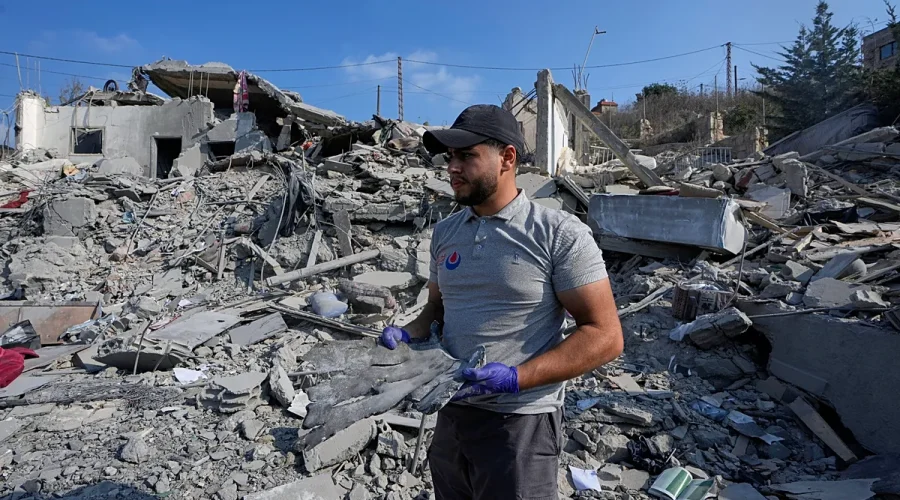
The deadly attacks struck the southern Lebanese communities of Ansar and Deir al-Zahrani, regions experiencing heightened military operations. Casualties included three children and two women, with an entire family from Ansar among those lost. These figures illustrate the growing human cost as regional tensions continue to escalate.
Negotiations Under Pressure
The incidents mark one of the most serious breaches since a U.S.-mediated deal was reached in June. That agreement outlined a withdrawal timeline for Israeli forces, conditional on Hezbollah’s disarmament and the removal of military installations. The framework aimed to reduce hostilities that had persisted for months.
President Aoun’s office stated that the recent violations directly affect both the negotiation process and American efforts to execute the June agreement. International observers have expressed concern that the timing of these strikes could undermine ongoing diplomatic initiatives.
“President Aoun considered that these violations send a clear message regarding the negotiation process and the US efforts aimed at implementing this agreement,” the presidential statement explained.
Regional Dynamics and Hezbollah’s Position
Hostilities intensified in late February when Hezbollah launched rocket attacks following the death of Iranian Supreme Leader Ali Khamenei. Israel responded with aerial bombardments and a ground offensive into southern Lebanon, creating what it designated as a security zone.
Israeli military officials attributed the latest strikes to a Hezbollah assault on Israeli Defense Forces personnel at the Ali al-Taher Ridge. This strategic position has become central to operations aimed at eliminating what Israel describes as terrorist infrastructure.
Hezbollah issued a statement on Saturday promising “an appropriate response” to the attacks. The organization cautioned that Israel’s aggressive actions and attempts to establish facts on the ground cannot continue indefinitely.
“The Israeli enemy must clearly understand that its acts of aggression, violations, and attempts to impose a fait accompli cannot continue,” Hezbollah declared.
Looking Ahead to Rome Talks
Beyond calling for military action, Hezbollah advised Lebanese leaders to “cease chasing after US-led negotiations,” revealing domestic disagreement over diplomatic strategy. While some factions support continued engagement with American-mediated discussions, others worry about potential sovereignty implications.
The Rome negotiations, hosted by the United States next month, will prove crucial for the June framework’s survival. Both sides must address immediate security issues alongside political questions stemming from Hezbollah’s expanding role in Lebanese governance.
Read more: Middle East developments
International mediators are expected to strengthen their involvement in the Rome discussions, potentially providing additional assurances to prevent further escalation. The balance between military pressure and diplomatic engagement will ultimately shape Lebanon’s path toward stability.
Frequently Asked Questions
When did the Israeli strikes that killed 11 occur? The strikes took place on Saturday, August 15, 2026, targeting the southern Lebanese towns of Ansar and Deir al-Zahrani.
What is the connection between these strikes and peace negotiations? President Aoun stated that the attacks send a clear message about the negotiation process and U.S. efforts to implement the June agreement, suggesting the diplomatic framework remains vulnerable.
What triggered the recent escalation in February? Hezbollah launched rocket attacks on Israel following the death of former Iranian Supreme Leader Ali Khamenei, prompting Israeli aerial and ground responses.
Where will the next round of negotiations take place? The upcoming talks are scheduled for Rome, sponsored by the United States, and will be critical for determining the future of the June framework.