Victor Coyote Remembered: A Multidisciplinary Artist Who Refused to Be Defined
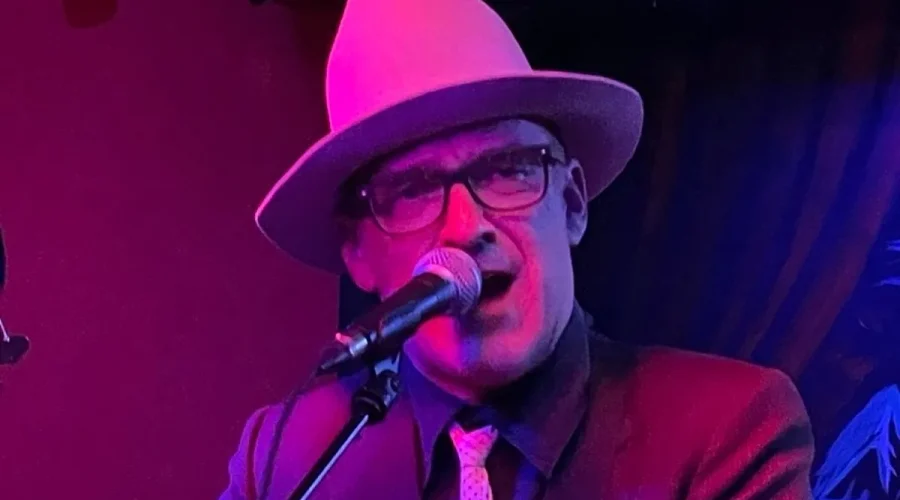
Usagevpn.com – Victor Coyote has passed away following a cycling accident this Thursday, bringing an end to a remarkably fluid career that spanned nearly five decades of artistic reinvention. Born in the Galician town of Tui in 1958, Coyote built a reputation as an artist who could not be easily categorized—something he considered his greatest strength rather than a limitation. His journey began in the punk underground of the late 1970s and continued through to his seventies, with each phase marked by restless experimentation across music, comics, and visual media.
From Psychobilly to Latin Crossover
The foundation of Coyote’s musical legacy was laid in 1979 when he co-founded Los Coyotes alongside Fernando Gilabert. The band’s name would eventually give Coyote his enduring stage identity. Initially rooted in psychobilly—a fusion of punk rock and rockabilly—the group quickly evolved toward Latin American rhythms, establishing themselves as pioneers of a sonic crossover that would not gain widespread recognition in Spain until years later.
Their 1985 debut album, “Mujer y sentimiento,” positioned the band at the center of the movida, a vibrant cultural movement that connected Vigo and Madrid through music, art, and nightlife. Coyote emerged as one of the most dynamic figures within this scene, constantly pushing boundaries and refusing to settle into a single artistic identity.
In 1988, the group rebranded as Los Coyotes de Víctor Abundancia and delivered one of their most enduring contributions to Spanish music with “Esta noche me voy a bailar.” The band ultimately disbanded in 1992, but rather than signaling retirement, this marked a transition into new creative territories.
Expanding Beyond Music
Coyote’s departure from Los Coyotes coincided with an expansion of his artistic practice. He had already been contributing to the influential magazine “Madriz” between 1984 and 1987, demonstrating an early commitment to the intersection of music and comics. Following the band’s dissolution, he devoted himself to directing music videos and pursuing his passion for drawing.
Among his most notable video direction work were pieces for Los Rodríguez’s “Milonga” and “Carmiña Vacaloura,” a track that became part of the Xabarín Club soundtrack and remains deeply embedded in the collective memory of Galician audiences. His comic work flourished during this period as well, with the standalone publication “Come yuca” appearing in 1998 alongside contributions to various collective volumes that solidified his standing within Spain’s graphic arts community.
His musical output continued alongside these visual endeavors. In 1995, Coyote released “Lo bueno, dentro, disco” as a solo artist, producing “Jaguarundi”—the theme song for that year’s Vuelta Ciclista a España. This period marked the beginning of a sustained commitment to working across multiple mediums simultaneously, a practice he maintained throughout his career.
A Life Without Boundaries
In a recent interview, Coyote characterized his own creative approach as belonging to someone with “more eye than ear,” suggesting a visual sensibility that informed even his musical work. When presenting his 2024 comic “Si te falta calle,” he offered further insight into his artistic philosophy: humor, he explained, was an essential but not exclusive ingredient in his work. “To capture life,” he would say, “you always need a little of it.”
Coyote remained active in his final years, both professionally and publicly. Last May, he guided audiences through his career in a comprehensive interview, and he served as a central figure at the Festival de Cans, where he reflected on eight of his most celebrated works. His death this Thursday in a cycling accident closes a chapter on a career that consistently resisted confinement to any single discipline.
“To capture life, you always need a little of it.”
The loss of Victor Coyote represents more than the passing of a musician or comic artist; it marks the end of a uniquely Galician voice that helped shape Spain’s cultural landscape across multiple generations. His legacy extends beyond any single medium, embodying a spirit of continuous exploration that defined both his art and his life.
Related Reading
Frequently Asked Questions
What is Víctor Coyote dies?
Víctor Coyote dies is the main topic of this guide. The article explains the context, practical details, and next steps readers should understand.
Why does Víctor Coyote dies matter?
Víctor Coyote dies matters because readers are looking for a useful answer, not just a short summary. Good content should match search intent and help them decide what to do next.