Putin Makes Historic Return to Disputed Kuril Islands Amid Naval Show of Force
Usagevpn.com – Russian President Vladimir Putin has become the first head of state to visit the Kuril Islands in over a decade, arriving aboard the Pacific Fleet’s flagship while Russian warships conducted dramatic live-fire exercises in the surrounding waters. The visit, which coincided with an underwater explosion demonstration, underscores Moscow’s determination to solidify its control over the strategically vital archipelago that has been at the center of a territorial dispute with Japan for nearly eight decades.
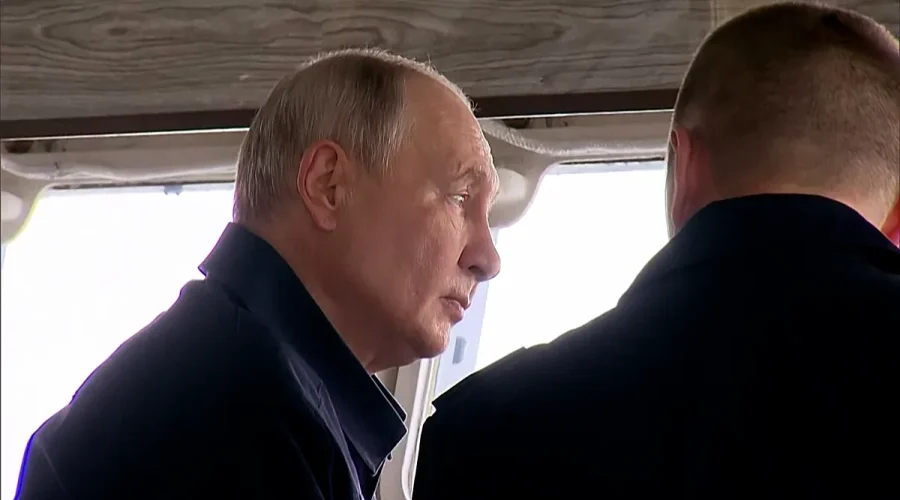
State television footage captured the president standing on the deck of the missile cruiser Varyag as naval vessels executed coordinated maneuvers off Russia’s Far Eastern coast near Sakhalin Island. The dramatic display of military capability was followed by Putin’s journey to one of the four principal islands in the Kuril chain, a destination that has seen limited presidential attention since former President Dmitry Medvedev made his visit in 2010.
A Dispute Rooted in World War II
The Kuril Islands have been a source of contention between Russia and Japan since 1945, when the Soviet Union seized the archipelago at the conclusion of World War II. The territorial disagreement has never been formally resolved, despite numerous diplomatic efforts over the decades. The islands, which stretch approximately 1,200 kilometers from Hokkaido to Kamchatka, remain a sensitive issue in bilateral relations.
Today, the archipelago is home to roughly 20,000 Russian residents who maintain a permanent presence on the islands. The population includes military personnel, civilians, and their families, creating a stable demographic foundation for Russia’s territorial claims. The strategic importance of the Kurils extends beyond their historical significance, as they provide Moscow with critical access to the Pacific Ocean and serve as a buffer zone in the region.
Japan’s Sharp Response
The timing of Putin’s visit has drawn immediate criticism from Tokyo. Japan’s Prime Minister Sanae Takaichi characterized the presidential trip as “absolutely unacceptable,” emphasizing that the islands constitute an inherent part of Japanese territory. Her statement reflected the strong emotional and political resonance of the dispute within Japanese public opinion.
“Absolutely unacceptable,” said Japan’s Prime Minister Sanae Takaichi regarding Putin’s visit to the Kuril Islands, asserting that the archipelago is an inherent part of Japan.
Japanese Foreign Minister Toshimitsu Motegi took additional diplomatic steps by summoning Russia’s ambassador in Tokyo to lodge a formal protest. Motegi warned that the presidential visit could further deteriorate relations that have already been strained by various geopolitical developments. The diplomatic protest highlighted Japan’s commitment to maintaining its territorial position through both public statements and formal channels.
Economic and Military Significance
The Kuril Islands hold considerable economic value beyond their military positioning. The surrounding waters are rich in fishing resources, supporting both Russian and Japanese commercial fishing industries. Additionally, the region contains substantial deposits of oil and natural gas, making it an important area for energy development. Sakhalin Island, located nearby, has become a major hub for Russian energy exports, particularly liquefied natural gas destined for Asian markets.
The naval drills conducted during Putin’s visit served multiple purposes. They demonstrated Russia’s ability to project power in the region while simultaneously reinforcing its territorial claims through visible military presence. The live-fire exercises and underwater explosion provided a dramatic backdrop to the presidential visit, sending a clear message to both Japan and Western allies about Moscow’s commitment to maintaining its position in the Far East.
Geopolitical Implications
The visit occurs against a backdrop of increasing geopolitical tensions in the Asia-Pacific region. Russia’s strengthened presence in the Kurils aligns with its broader strategy of diversifying partnerships and asserting influence in multiple regions simultaneously. For Japan, the visit represents a challenge to its territorial integrity at a time when it is also navigating complex relationships with other regional powers.
The combination of Putin’s personal visit, the naval exercises, and the diplomatic fallout from Tokyo suggests that the Kuril dispute remains a dynamic issue rather than a settled matter. Russia’s actions appear designed to consolidate its position while testing the boundaries of international response. The islands’ strategic location, economic resources, and historical significance ensure that they will continue to feature prominently in regional diplomacy for years to come.
Related Reading
Frequently Asked Questions
What is Putin watches Russian navy drills off Russia?
Putin watches Russian navy drills off Russia is the main topic of this guide. The article explains the context, practical details, and next steps readers should understand.
Why does Putin watches Russian navy drills off Russia matter?
Putin watches Russian navy drills off Russia matters because readers are looking for a useful answer, not just a short summary. Good content should match search intent and help them decide what to do next.