Who is Mohsen Rezaei Iran’s New Security Chief?
Usagevpn.com – Iran has appointed Mohsen Rezaei as the secretary of its Supreme National Security Council, marking a significant shift in the country’s security leadership. The 71-year-old military veteran, who holds an active Interpol Red Notice, received the appointment through a presidential decree signed by President Masoud Pezeshkian on Sunday. This move places one of Iran’s most experienced and controversial figures at the center of the nation’s strategic decision-making process.
Rezaei’s appointment follows the departure of Mohammad Bagher Zolghadr, who served as security council secretary for approximately four months before being reassigned as a political adviser to Ayatollah Mojtaba Khamenei. The timing of Rezaei’s selection coincided with Ayatollah Mojtaba Khamenei naming him as his personal representative on the council, just hours before the presidential announcement.
From Revolutionary Activist to Military Commander
Born in 1954 in Sabzvar, within a Bakhtiari tribal family in Khuzestan province, Rezaei began his political life opposing the Shah’s regime in the early 1970s. His activism against Shah Reza Pahlavi resulted in arrest by SAVAK and imprisonment in Ahvaz. He later became a founding member of the Mansouroun militant group, which helped establish the Mojahedin of the Islamic Revolution Organisation.
After the 1979 revolution brought Ayatollah Ruhollah Khomeini to power, Rezaei joined the central council of the Islamic Republic. He served on a twelve-member committee that drafted the IRGC’s constitutional framework. In September 1981, at age twenty-seven, Khomeini appointed him commander-in-chief of the Revolutionary Guards—a position he held for sixteen years until September 1997.
Political Career and International Challenges
Following his military command, Rezaei transitioned to civilian leadership as secretary of the Expediency Discernment Council, an institution that resolves disputes between parliament and the Guardian Council. He held this position for nearly twenty-four years before becoming deputy president for economy under President Ebrahim Raisi in 2021, serving until June 2023.
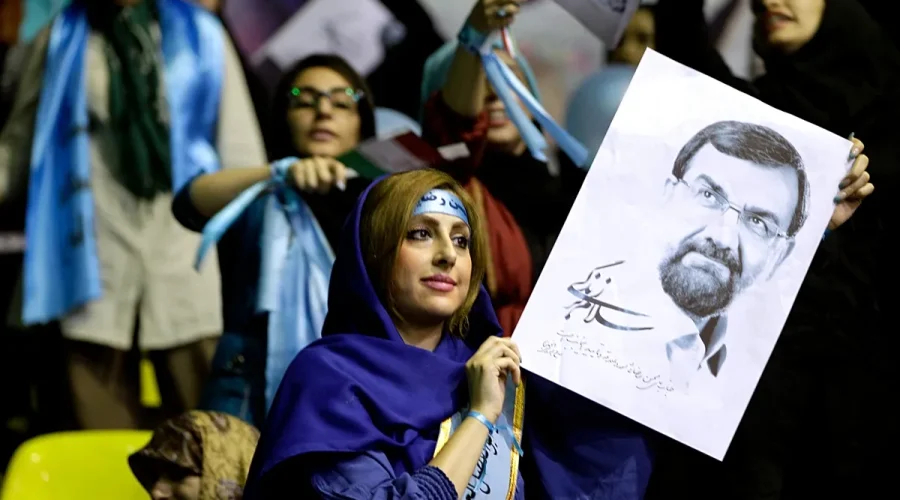
Despite his institutional prominence, Rezaei has pursued presidential ambitions four times, losing each election. In the 2021 race, he received 3.4 million votes—fewer than the number of invalid ballots cast in that same contest.
Internationally, Rezaei remains linked to the 1994 AMIA bombing in Buenos Aires, Argentina, which killed eighty-five people and injured hundreds. Argentine prosecutors sought arrest warrants for nine individuals in 2007, including Rezaei, who was then IRGC commander. Interpol issued a Red Notice against him that remains active today.
Tehran and Rezaei have consistently denied any involvement in the attack, calling the allegations politically motivated. However, the controversy has created diplomatic friction. Argentina protested his 2021 deputy economic president appointment, previously objected to his attendance at Nicaraguan presidential inaugurations, and requested Qatar arrest and extradite him during a visit to Doha—a request that was not fulfilled.
Military Legacy and Personal History
Rezaei’s military career includes Operation Karbala-4, a December 1986 assault during the Iran-Iraq war aimed at recapturing the Faw area. The operation was detected by Iraqi forces and repelled, resulting in heavy Iranian casualties, particularly among frogmen units. In 2015, the remains of one hundred seventy-five divers from the operation were discovered and identified, reportedly buried with their hands tied.
Rezaei later explained that continuing the compromised operation was a deliberate deception to prepare for Operation Karbala-5—the siege of Basra, which represented the war’s largest military offensive. This explanation drew sharp criticism from former officials, journalists, and social media commentators. Qassem Soleimani, then commander of the Quds Force, contradicted Rezaei’s account of the operation.
Rezaei’s personal life has also been marked by tragedy. His son, Mojtaba Rezaei, died in 2010 in a helicopter crash while serving as a military commander. The loss deeply affected Rezaei and influenced his subsequent career decisions.
What This Appointment Means for Iran
Rezaei’s appointment as security council secretary places a seasoned military figure with deep revolutionary credentials at the helm of Iran’s security apparatus. His experience spans decades of military command, political negotiation, and international diplomacy. With an active Interpol Red Notice and a history of electoral defeats, Rezaei brings both strength and controversy to his new role.
His appointment comes at a time when Iran faces multiple challenges, including regional tensions and economic pressures. Rezaei’s long tenure in various positions suggests he will bring stability and continuity to the security council’s operations.
Frequently Asked Questions
Who is Mohsen Rezaei Iran?
Mohsen Rezaei is a 71-year-old Iranian military veteran and political figure who was appointed secretary of the Supreme National Security Council in August 2026. He is a founding member of the Islamic Revolutionary Guard Corps and served as its commander-in-chief for sixteen years.
Why does Mohsen Rezaei have an Interpol Red Notice?
Rezaei holds an Interpol Red Notice related to the 1994 AMIA bombing in Buenos Aires, Argentina, which killed eighty-five people. Argentine prosecutors sought his arrest in 2007, and the notice remains active today.
What is Mohsen Rezaei’s role in Iran’s government?
As secretary of the Supreme National Security Council, Rezaei oversees Iran’s security and strategic policies. He also serves as Ayatollah Mojtaba Khamenei’s personal representative on the council.
Has Mohsen Rezaei run for president before?
Yes, Rezaei has run for president four times, losing each election. In the 2021 election, he received 3.4 million votes, which was fewer than the number of invalid ballots cast.
What happened during Operation Karbala-4?
Operation Karbala-4 was a December 1986 military assault during the Iran-Iraq war aimed at recapturing the Faw area. The operation was detected by Iraqi forces and resulted in heavy Iranian casualties, particularly among frogmen units. One hundred seventy-five divers were later found buried with their hands tied.