Iran’s Military Dismisses Trump’s Strait of Hormuz Claims as False
Usagevpn.com – Iran s military rejects Trump s recent assertions about American dominance over the Strait of Hormuz, calling them outright lies. Tehran has firmly stated that the strategic waterway remains under Iranian control, contradicting Washington’s narrative of maritime supremacy. The military’s response comes amid heightened tensions between the two nations over regional influence and shipping rights.
Official Military Statement
Ebrahim Zolfaghari, spokesperson for Iran’s central military command, delivered a clear rebuttal to President Trump’s claims through state television. He emphasized that American statements about normal ship passage through the strait were “nothing more than lies and fabrications.” The spokesperson clarified that all commercial vessels must obtain authorization before navigating these critical waters.
“The false claims of the United States that ships are passing through the Strait of Hormuz normally…are nothing more than lies and fabrications,” Zolfaghari declared.
Established Maritime Authority
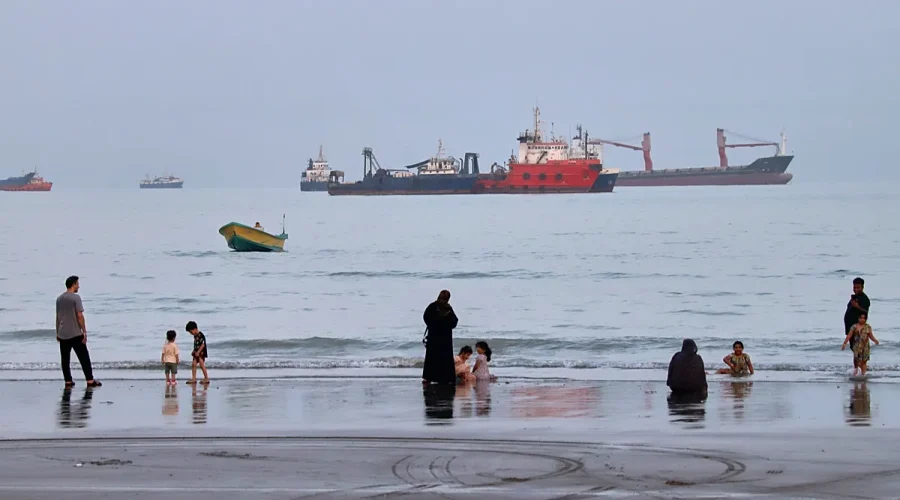
Iran’s control over the Strait of Hormuz has been reinforced since February 28, when hostilities began and Tehran immediately asserted its authority. The government now requires vessels to secure permission and pay transit fees before using the waterway. This policy has significantly impacted global energy supplies, as the strait carries approximately one-fifth of the world’s petroleum consumption.
Trump had previously proclaimed on his Truth Social platform that “The US has total control over the Strait of Hormuz. I THINK WE WILL KEEP IT!” He described the American naval presence as a “WALL OF STEEL” that Iran could not overcome. Iranian officials view this as an overstatement of American capabilities.
Broader Government Response
Multiple Iranian leaders have echoed the military’s position. Hossein Taeb, who leads the paramilitary Basij forces, confirmed that the Strait of Hormuz is under the management and control of the Islamic Republic. He stated that the country continues its operations in complete security without external interference.
“Today, you see that the Strait of Hormuz is under the management and control of the Islamic republic, and our country continues on its path in complete security,” Taeb stated.
Foreign Minister Abbas Araghchi also weighed in, suggesting Washington has a pattern of misjudging regional dynamics. He referenced previous intelligence failures as evidence, specifically pointing to the ongoing conflict as a prime example of American miscalculation.
FAQ: Understanding the Strait of Hormuz Dispute
What is the Strait of Hormuz? The Strait of Hormuz is a narrow waterway connecting the Persian Gulf to the Gulf of Oman. It is one of the world’s most critical energy corridors, handling approximately 20% of global petroleum consumption.
When did Iran assert control over the strait? Iran immediately asserted authority over the strategic corridor on February 28, when hostilities erupted. Since then, the government has implemented a system requiring vessels to obtain permission and pay transit fees.
Which ships are affected by Iran’s restrictions? According to parliamentarian Behnam Saeedi, restrictions apply to American vessels and ships from Israel. He stated that ships belonging to the “Zionist regime” will be denied passage regardless of whether the region is in a state of war or peace.
What are Iran’s alternative plans? Iran and Oman have engaged in discussions to establish a new maritime corridor as an alternative route for shipping affected by the current restrictions.
Looking Ahead
The situation remains fluid as diplomatic efforts continue. Iran’s consistent messaging through military, political, and diplomatic channels underscores its determination to maintain sovereignty over the strategic waterway. The international community watches closely as this dispute could have far-reaching implications for global energy markets and regional stability.