Spain’s Sky to Be Transformed by Solar Eclipse on Wednesday Afternoon
Usagevpn.com – Millions of residents across Spain will soon have the opportunity to observe one of the most anticipated celestial phenomena of the decade. On Wednesday, August 12, a total solar eclipse will traverse the Iberian Peninsula, casting its shadow across numerous cities and towns during the late afternoon hours. While the excitement is palpable nationwide, prospective observers face a practical dilemma: determining exactly when the eclipse will peak in their specific location. The answer depends heavily on geography, as the Moon’s shadow travels from west to east across the country.
Timing Varies by Region
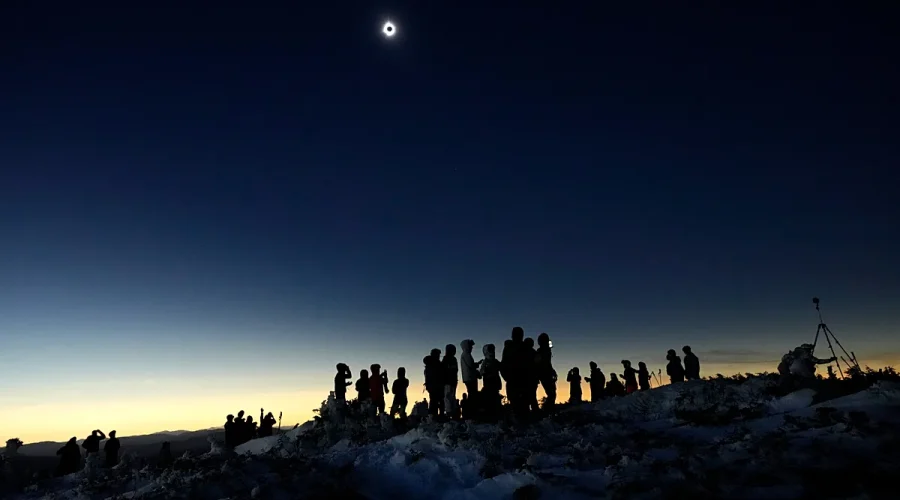
For most Spanish cities, the crowning moment of darkness arrives near 20:30 local time. However, this is merely an approximation. Locations situated further west will experience maximum eclipse a few minutes earlier, while eastern cities will witness the phenomenon slightly later. The path of totality—the narrow corridor where the Sun becomes completely obscured—cuts through northern and eastern portions of the peninsula before extending toward the Balearic Islands. Residents within this zone will enjoy the full spectacle, including a brief period of twilight-like darkness and visibility of the Sun’s outer atmosphere. Those living outside the path of totality will still witness an impressive event. In many areas, the Sun will appear nearly entirely covered, though a sliver of light will remain visible even at peak eclipse.
Major Cities Face Different Experiences
Spain’s two largest metropolitan areas occupy an interesting position relative to the eclipse path. Madrid, despite its central location, falls just outside the primary zone of totality. The eclipse here will be partial, reaching its zenith around 20:32. Interestingly, the boundary of the totality path passes remarkably close to Madrid, touching areas near Barajas airport. Barcelona encounters a similar scenario. Totality will not occur in the Catalan capital, with maximum obscuration happening at approximately 20:29. Residents of both Madrid and Barcelona can expect to observe a deep partial eclipse, though neither city will experience the dramatic darkness characteristic of totality.
West-to-East Progression
The temporal differences between cities stem directly from the Moon’s shadow trajectory. The region of complete darkness enters Spain from the western border and advances toward the Balearic archipelago. Consequently, cities such as Santander, Oviedo, and La Coruña will reach their eclipse peak around 20:27. Meanwhile, eastern destinations including Valencia, Castellón, and Palma will see the event unfold several minutes later.
Sunset Timing Adds Complexity
A particularly notable aspect of this eclipse is its coincidence with sunset. The Sun will sit very close to the horizon when the eclipse reaches its maximum, making location selection crucial. Observers should prioritize sites offering unobstructed western views, free from buildings, mountains, or dense tree cover that might block the Sun during these critical minutes. Even populations beyond the main eclipse path can participate in the viewing. The phenomenon will be visible, at minimum in partial form, across all Spanish territory, including the Canary Islands. The distinction lies in those final seconds when the Moon fully conceals the solar disc.
What to Expect During Totality
Within the path of totality, the sky will darken with remarkable speed. For a brief interval, observers can gaze upon the solar corona—the Sun’s ethereal outer atmosphere—visible only during complete coverage. Outside this narrow corridor, the sky will never achieve the distinctive appearance of a total eclipse. A small portion of the Sun remains exposed even at maximum eclipse, preventing the dramatic darkening experienced by those within the totality path.
Essential Safety Precautions
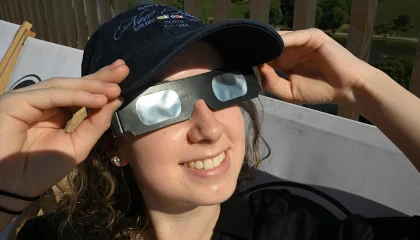
Regardless of viewing location, one critical warning applies universally: never observe the Sun directly without certified protective equipment during the partial phases of the eclipse. Standard sunglasses provide insufficient protection and can cause serious eye damage. Proper eclipse glasses or handheld solar viewers must be used throughout the event, from initial contact until the eclipse concludes. Only during the brief period of totality—when the Sun is completely covered—can observers safely remove their protection without risk.
Planning Your Observation
With millions expected to venture outdoors, early planning is advisable. Popular viewing spots may fill quickly, particularly in cities within or near the totality path. Consider arriving at your chosen location well before the predicted maximum eclipse time to secure an optimal position. The combination of astronomical significance, accessible viewing conditions, and the dramatic interplay between eclipse and sunset makes this event particularly memorable. Whether you find yourself in the path of totality or observing a deep partial eclipse from Madrid or Barcelona, Wednesday’s sky promises an unforgettable experience for all of Spain.
Related Reading
Frequently Asked Questions
What is What time will the solar eclipse?
What time will the solar eclipse is the main topic of this guide. The article explains the context, practical details, and next steps readers should understand.
Why does What time will the solar eclipse matter?
What time will the solar eclipse matters because readers are looking for a useful answer, not just a short summary. Good content should match search intent and help them decide what to do next.