IEA and OPEC Split on Global Oil Demand Outlook
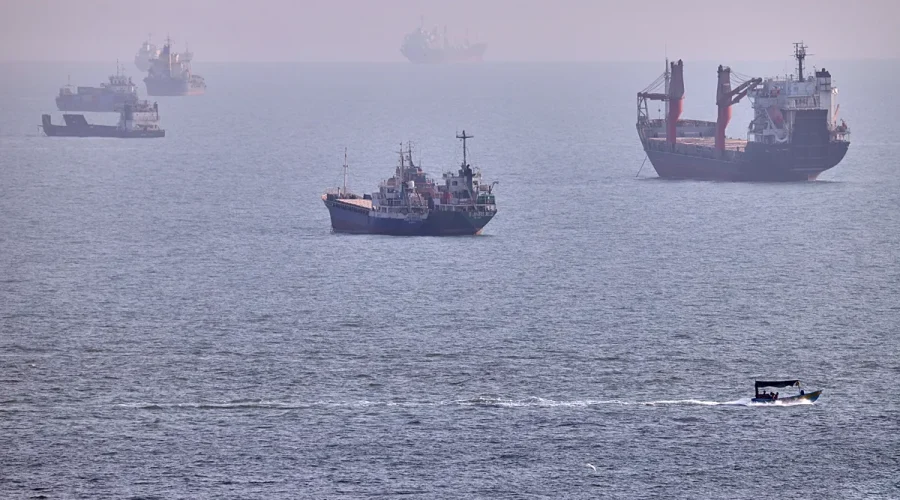
Usagevpn.com – The International Energy Agency and OPEC have diverged sharply on worldwide petroleum consumption forecasts, highlighting a significant IEA and OPEC split on global energy expectations. This disagreement centers on whether the ongoing Strait of Hormuz closure signals a temporary supply shock or a lasting transformation in energy markets. The contrasting views carry major implications for pricing strategies and economic recovery across consuming nations.
Conflicting 2026 Consumption Projections
The Paris-based IEA has revised its outlook downward, now anticipating that worldwide oil consumption will decline by 1.6 million barrels per day during 2026. This marks the first contraction forecast since the pandemic-induced economic shutdown. The revision represents a substantial downgrade of 510,000 barrels daily from the July estimate.
“The ongoing closure of the Strait of Hormuz and elevated fuel prices continue to weigh on oil consumption,” the agency stated, explaining its decision to reduce the second-half projection by approximately 550,000 barrels per day.
Conversely, OPEC maintains its position that consumption will expand, though it has lowered its estimate for the fourth straight month. The producer organization now projects growth of 580,000 barrels daily, down from 780,000 barrels previously. This persistent optimism stems from OPEC’s view that the regional conflict has inflicted less damage on consumption patterns than Western analysts suggest.
The numerical gap between the two institutions amounts to roughly 2.2 million barrels per day—a considerable discrepancy that reflects fundamentally different assumptions about how consumers and industries will respond to sustained supply constraints and higher energy costs.
Supply Constraints Drive Pessimism
The IEA’s cautious stance is rooted in observable supply disruptions. While worldwide production increased by 2.4 million barrels daily to reach 101.5 million barrels in July, this figure remains 6.3 million barrels below the previous year’s levels. A staggering 8.3 million barrels of Gulf output continues to remain offline.
Gulf production itself climbed to 23.9 million barrels daily, yet regional exports contracted by 2.1 million barrels to 15 million barrels. This decline followed the effective closure of the Strait of Hormuz in early July, when tankers and critical infrastructure came under repeated attacks. Loading rates plummeted from 20 million barrels daily to approximately 12 million barrels as shipping disruptions intensified.
Without a resolution to reopen the waterway or establish secure passage through the Bab el-Mandeb strait, the IEA has further reduced its supply projections. The agency now anticipates that worldwide output will decline by 4.3 million barrels this year, reflecting the cumulative impact of ongoing maritime disruptions.
Stockpile Drawdowns Signal Tightening Markets
Inventory levels have been declining steadily as supply constraints persist. Worldwide petroleum stocks fell by 69 million barrels during July, bringing total reserves to just under 7.9 billion barrels. Since the conflict began, cumulative drawdowns have reached 410 million barrels, indicating that markets are consuming reserves at an accelerated pace to offset supply shortfalls.
Looking Ahead: An Inversion of Expectations
Perhaps the most intriguing aspect of the current forecast divergence lies in the outlook for 2027. OPEC projects consumption growth of 2.2 million barrels daily, an improvement from its previous 1.94 million barrel estimate. The IEA goes even further, forecasting growth of 2.4 million barrels.
This represents an inversion worth noting: the institution that appears more pessimistic about the current year delivers a more optimistic projection for the following year. The IEA interprets the present damage as a transportation bottleneck rather than a permanent collapse in consumer demand. Oil that cannot reach buyers is fundamentally different from oil that buyers no longer need. Consequently, the deeper the current deficit, the more robust the recovery once the Strait of Hormuz reopens and shipping routes normalize.
OPEC, which has consistently maintained that consumption has not fallen significantly, faces less ground to recover. The agency’s forward-looking analysis explicitly depends on de-escalation scenarios, assuming that maritime flows will gradually restore and transform this year’s supply contraction into substantial growth of 8.3 million barrels daily. This trajectory would flip the current 1.3 million barrel daily deficit into a 4.6 million barrel daily surplus, fundamentally reshaping market dynamics for years to come.
Frequently Asked Questions
What is causing the IEA and OPEC split on global oil demand estimates? The disagreement stems from different interpretations of the Strait of Hormuz closure impact. The IEA views it as a structural shift reducing consumption, while OPEC sees it as a temporary supply constraint that will not significantly alter long-term demand patterns.
How much oil is affected by the Strait of Hormuz closure? Approximately 8.3 million barrels of Gulf output remain offline, with loading rates dropping from 20 million to 12 million barrels daily as shipping disruptions intensified following attacks on tankers and infrastructure in early July.
What are the 2026 demand projections from each organization? The IEA forecasts a decline of 1.6 million barrels per day, while OPEC projects growth of 580,000 barrels daily. This creates a gap of roughly 2.2 million barrels per day between the two institutions’ outlooks.
When might oil markets return to surplus conditions? Both organizations project a return to surplus by 2027, with OPEC forecasting 2.2 million barrels daily growth and the IEA projecting 2.4 million barrels daily expansion as maritime flows normalize and transportation bottlenecks resolve.