A New Chapter for Central Asia’s Wild Tigers
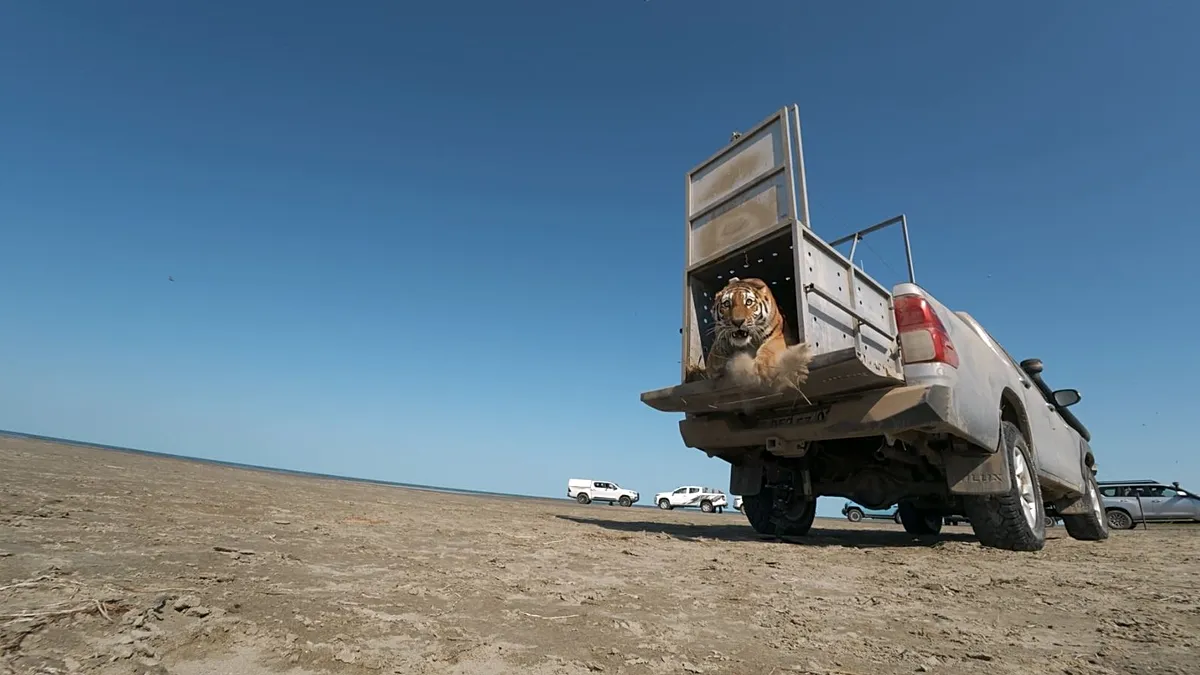
Usagevpn.com – In a significant milestone for wildlife conservation across Central Asia, Kazakhstan has successfully reintroduced an Amur tiger into its natural habitat. The animal, named Umit—which translates to “hope” in the Kazakh language—was released into the expansive, unfenced Ile-Balkhash Nature Reserve. This event marks a pivotal moment in efforts to restore the region’s ecological balance and bring back a species that disappeared from these lands more than seven decades ago.
The Journey of Umit
Umit’s release represents more than just the return of a single animal to the wild. It symbolizes a broader commitment to reversing the decline of tiger populations in Central Asia. Conservation teams have equipped Umit with a sophisticated GPS/GSM tracking collar, allowing experts to monitor her movements in real-time as she adapts to her new environment. This technology ensures that researchers can track her behavior, hunting patterns, and overall health without disturbing her daily activities.
The choice of the Ile-Balkhash Nature Reserve as the release site was strategic. This vast, unfenced area provides ample space for Umit to roam and establish her territory. The reserve’s diverse landscape, ranging from mountainous regions to wetlands, offers varied habitats that mimic the natural conditions Amur tigers are accustomed to. By keeping the reserve unfenced, conservationists allow for a more authentic reintroduction experience, enabling Umit to move freely across traditional migration corridors.
Expanding the Reintroduction Program
Umit’s release is part of a larger, ambitious initiative to reintroduce wild tigers to Central Asia. The region, which once hosted thriving tiger populations, saw these magnificent cats vanish from the area more than seventy years ago. The current project aims to change that history by carefully selecting and releasing tigers into suitable habitats where they can establish self-sustaining populations.
Beyond Umit, the program continues to progress with additional animals. An adult male tiger remains under close observation as experts evaluate his readiness for release. This careful assessment ensures that each animal is prepared for the challenges of life in the wild before being set free. Meanwhile, two younger cubs, who arrived at the facility at six months of age, will remain under expert care until they reach eighteen months. This extended period allows the cubs to develop essential survival skills and build the physical strength needed for independence.
Community Engagement and Safety Measures
Successful tiger reintroduction requires not only scientific expertise but also strong community involvement. Local authorities have implemented a comprehensive alert system to keep nearby residents informed. If a tiger approaches within five kilometers of a village, residents will receive timely notifications. This threshold distance balances the need for public safety with the reality that tigers may naturally range through areas near human settlements.
The five-kilometer alert zone reflects careful consideration of both tiger behavior and human safety. Tigers typically establish territories that can span several dozen square kilometers, making it likely that they will occasionally pass near populated areas. By providing advance warning, authorities can help prevent conflicts and ensure that both people and tigers can coexist peacefully.
The Significance of the Name
The name Umit carries particular meaning in this context. In Kazakh, “hope” represents not just optimism but a forward-looking commitment to the future. The naming of this tiger reflects the broader aspirations of the reintroduction project. It embodies the hope that Central Asia will once again become home to these majestic predators, restoring ecological balance and enriching the region’s natural heritage.
Amur tigers, also known as Siberian tigers, are among the largest big cat species in the world. Historically, they roamed across parts of Russia, China, and Central Asia. Today, their range has significantly contracted, making successful reintroduction efforts crucial for their long-term survival. Each tiger released into Central Asia contributes to genetic diversity and helps establish new populations that can eventually support themselves without human intervention.
Looking Ahead
The success of Umit’s release will be closely monitored over the coming months and years. Researchers will track her movements, observe her hunting success, and assess her adaptation to the wild. The data collected from her tracking collar will provide valuable insights into tiger behavior in this region and help refine future reintroduction efforts.
As the program continues, the release of additional tigers—including the adult male and the two cubs—will further strengthen the prospects for a thriving Central Asian tiger population. This initiative represents a collaborative effort involving scientists, local communities, and conservation organizations working together to restore one of nature’s most iconic species to its historic homeland.
The reintroduction of Umit into the Ile-Balkhash Nature Reserve marks a hopeful new beginning for Central Asia’s wild tigers, bringing back a species that vanished more than seventy years ago.
Related Reading
Frequently Asked Questions
What is Moment rare Amur tiger is released?
Moment rare Amur tiger is released is the main topic of this guide. The article explains the context, practical details, and next steps readers should understand.
Why does Moment rare Amur tiger is released matter?
Moment rare Amur tiger is released matters because readers are looking for a useful answer, not just a short summary. Good content should match search intent and help them decide what to do next.