Extreme Heat Grips Europe as Multiple Nations Face Record Temperatures and System Disruptions
Usagevpn.com – A sweeping heatwave has transformed daily life across the European continent, with authorities implementing emergency measures ranging from health alerts to energy conservation protocols. The extreme weather pattern has simultaneously triggered red alerts in Italian urban centers, shattered temperature records in Austria, and created cascading challenges for transportation and power generation networks throughout Central and Western Europe.
Italy Implements Nationwide Heat Emergency
Italian health officials elevated their entire national surveillance network to maximum alert status on Thursday, marking the first instance this year when all monitored municipalities faced the highest warning level concurrently. The comprehensive alert system spans from northeastern Trieste to Sicilian Palermo, encompassing twenty-seven cities in total.
Unlike previous heat warnings that primarily targeted elderly residents and individuals with pre-existing medical conditions, this alert applies to the general population. Health authorities have issued specific guidance recommending that citizens minimize outdoor exposure during peak sunlight hours, seek air-conditioned environments when feasible, and maintain adequate hydration levels.
The tourism sector has responded swiftly to accommodate visitor safety. Cultural heritage sites including Rome’s Colosseum and the Pantheon have extended their evening operating schedules. Infrastructure modifications include the installation of cooling mist systems at monument entrances and the deployment of additional medical personnel to handle heat-related emergencies.
Austria Breaks Temperature Records Amid Severe Drought
The Austrian village of Bad Deutsch-Altenburg, situated near the Slovakian frontier, recorded a sweltering 41.2 degrees Celsius on Wednesday, establishing a new national temperature benchmark. Meteorological data from GeoSphere Austria confirms this represents the highest temperature ever documented within the country’s borders.
Compounding the heat crisis, Austria experiences unprecedented dry conditions. Precipitation measurements spanning January through June reveal rainfall levels twenty-seven percent below historical averages across the nation. Certain eastern territories received merely half their typical precipitation volume during this period.
Climate researcher Alexander Orlik noted that portions of Austria have not encountered such arid conditions since eighteen hundred and eighty-five, highlighting the exceptional nature of current environmental circumstances.
Hungary’s Nuclear Plant and Transport Network Strain Under Heat
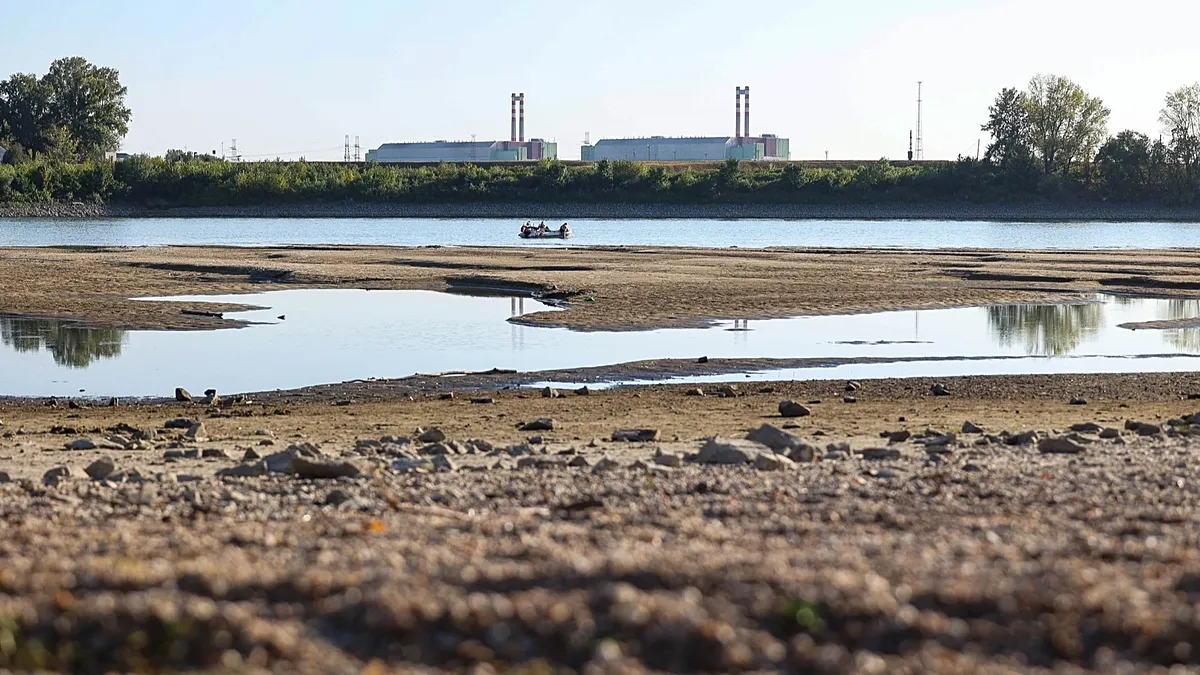
Hungary faces compounding challenges as prolonged drought conditions combined with record-low Danube River levels threaten the nation’s sole nuclear facility. The Paks power plant, which depends on river water for reactor cooling, has curtailed electricity generation to approximately ten percent of standard output capacity.
The government has implemented multiple conservation strategies including restrictions on freight train operations during evening peak hours, elimination of decorative landmark illumination in Budapest, and cancellation of parliamentary sessions to reduce energy consumption.
Major industrial corporations have voluntarily committed to reducing electricity usage during critical demand periods. Companies spanning energy production, pharmaceutical manufacturing, and automotive sectors—including Mol, Gedeon Richter, Suzuki, Mercedes-Benz, Audi, and BMW—have announced consumption reduction plans.
Budapest experienced its warmest overnight minimum temperature ever recorded on Wednesday evening, with temperatures declining only to twenty-eight degrees Celsius, demonstrating the persistent nature of the heatwave.
Germany and France Confront Infrastructure Challenges
German transport officials expressed mounting concerns regarding declining Rhine River levels and their impact on commercial shipping, industrial operations, and supply chain logistics. Environmental organizations have advocated for landscape water retention strategies and reduced river withdrawals during drought periods to enhance long-term resilience.
Meanwhile, southeastern France battles wildfires that have extended across multiple regions, adding to the continent’s emergency response burden.
Climate Change Implications for European Summer
Scientific consensus indicates that extreme heat events are increasing in both frequency and intensity as global temperatures continue rising. The current crisis has exposed systemic vulnerabilities across public health infrastructure, power generation capacity, transportation networks, and tourism facilities.
Governments and private enterprises are now accelerating adaptation strategies to manage what scientists predict will become increasingly regular periods of extreme weather throughout the summer months. The convergence of heat, drought, and wildfire conditions from Mediterranean territories to Central European plains represents a defining characteristic of contemporary European climate patterns.
Related Reading
Frequently Asked Questions
What is Europe heatwave puts all major Italian?
Europe heatwave puts all major Italian is the main topic of this guide. The article explains the context, practical details, and next steps readers should understand.
Why does Europe heatwave puts all major Italian matter?
Europe heatwave puts all major Italian matters because readers are looking for a useful answer, not just a short summary. Good content should match search intent and help them decide what to do next.