Reports: Spanish Authorities Eye Ceuta Crossing on 15 August
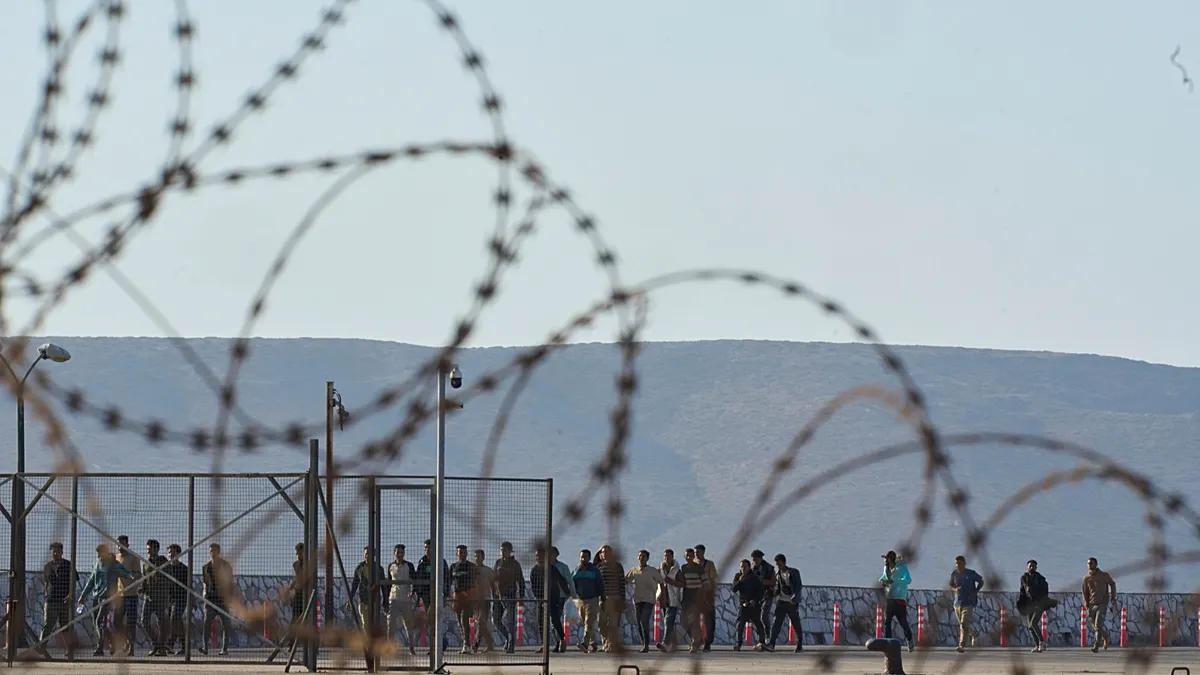
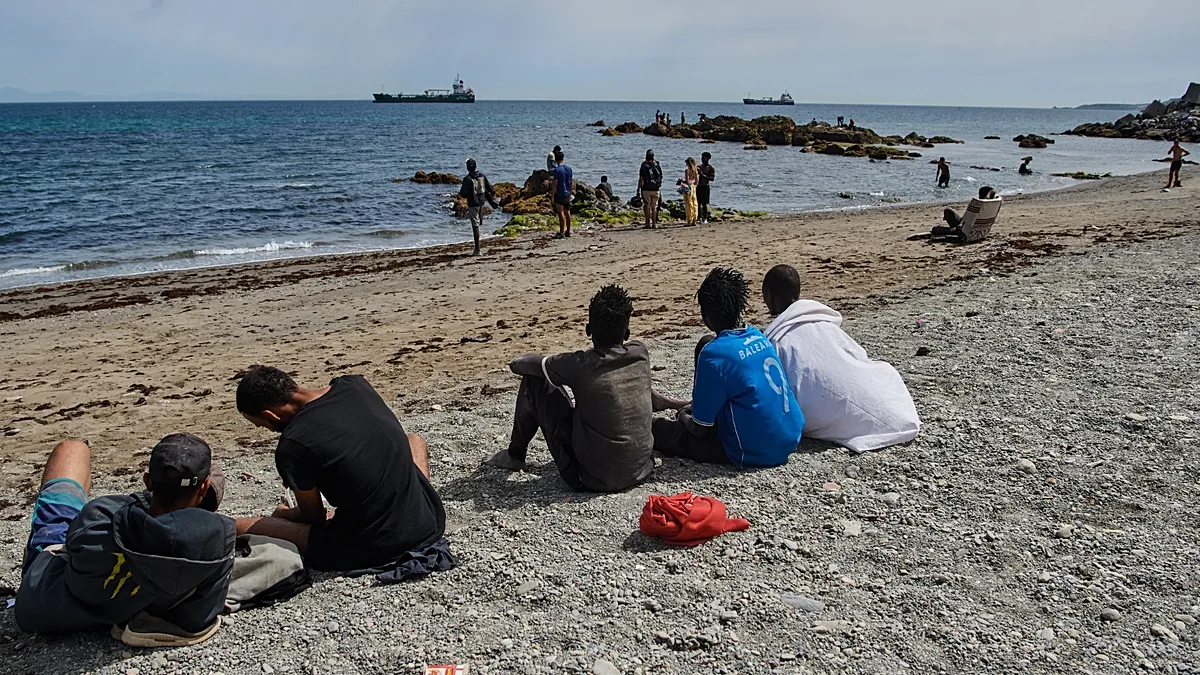
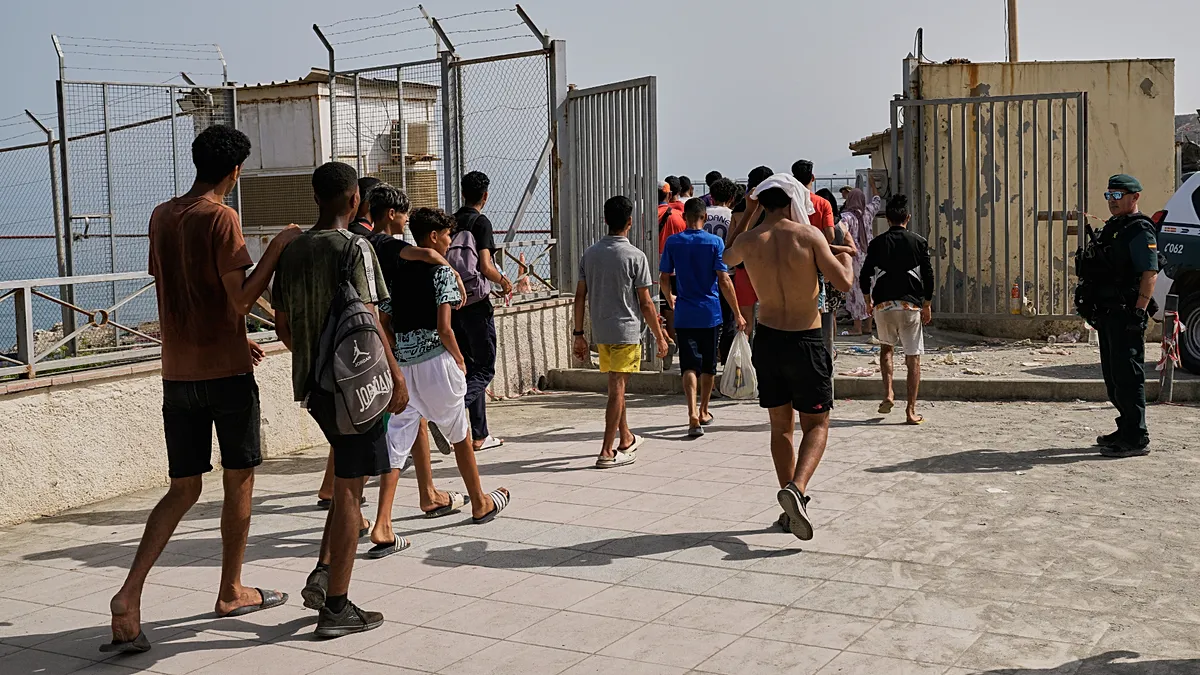
Usagevpn.com – Reports indicate that Spanish security forces are closely monitoring social media activity as they assess whether thousands of migrants may attempt to cross into the North African enclave of Ceuta on August 15. The Civil Guard has compiled a comprehensive six-page assessment examining the likelihood of a repeat of the dramatic border events witnessed in late July, when hundreds of people rushed across the fence separating Morocco from Spanish territory. These reports highlight growing concern among officials about potential mobilization.
Open-Source Analysis Reveals Growing Online Momentum
The document, secured by the Spanish publication Mañaneros, draws exclusively from publicly available information including social media posts and news coverage. Investigators tracked a digital campaign that has accumulated reach among groups boasting hundreds of thousands of followers across multiple platforms. According to recent reports, the primary objective was to evaluate whether the online call for a collective crossing represented genuine grassroots mobilization or merely amplified social media chatter.
Analysis covered Facebook, WhatsApp, and Instagram communities with combined memberships spanning from approximately 400,000 to just over 422,000 individuals. However, investigators emphasized that group size alone tells only part of the story. More telling were the recurring patterns: consistent references to the August 15 date, identical geographical waypoints, ongoing discussions about logistics, and remarkable persistence of messaging across several consecutive days. Monitoring continued through August 4.
Uncertainty Remains at the Core of the Assessment
The report deliberately avoids definitive predictions. As noted by RTVE, officials found insufficient grounds for projecting participation numbers or assuming the July scenario would unfold identically. The fundamental conclusion acknowledges an active digital campaign with mobilization potential, while leaving critical questions unanswered regarding actual turnout, participant demographics, and organizational leadership. Recent reports suggest this uncertainty is shared across European institutions.
Several variables will determine outcomes. Morocco’s preventive strategies along roads, transport hubs, the town of Fnideq, and coastal areas will play a crucial role alongside Spain’s security deployment. The Civil Guard noted that messages initially gained traction in late July and early August when young Moroccans began circulating calls for another collective effort to reach Ceuta.
Digital Facilitation Without Clear Leadership
Investigators characterized the campaign as decentralized rather than centrally orchestrated. Rather than pinpointing a single mastermind, they observed that the proposed date spread organically from one online community to another. Based on available evidence, the Civil Guard could not identify specific individuals responsible for promoting the initiative.
Crucially, no connections emerged linking the movement to the Moroccan government, Moroccan security apparatus, or established migrant-smuggling operations. Yet officials rejected the notion that events were entirely spontaneous. The assessment concluded that “some degree of digital facilitation” exists, indicating coordinated elements beneath the surface of what appears to be grassroots activity.
Misinformation Complicates the Picture
The online environment has become saturated with unverified claims. False narratives include assertions that the border would open completely, that migrants would automatically receive asylum or financial support, and that anyone reaching Ceuta could not legally be sent back. These rumors add complexity to official planning and public understanding.
We remain fully vigilant before, during, and after 15 August,
Commission spokesperson Guillaume Mercier stated, emphasizing the European Union’s watchful stance. Brussels has urged measured responses, noting that numerous circulating reports lack verification and that the complete situation remains unclear.
European Response and Legal Tools
The European Commission maintains close communication with both Madrid and Rabat. Officials detected Russian-linked channels that began rapidly amplifying migration-related content starting July 30, adding another dimension to the information landscape. The EU possesses legislative mechanisms such as the Digital Services Act to address online disinformation, requiring major platforms to evaluate and reduce systemic risks to public security.
Spain has not yet triggered the DSA’s crisis mechanism, which would enable enhanced coordination with digital platforms. This decision reflects a measured approach, balancing rapid response capabilities against potential overreach. The coming days will reveal whether Ceuta experiences another significant migration event or if the online momentum dissipates without translating into physical movement.
Frequently Asked Questions
What date are Spanish authorities monitoring for a potential Ceuta crossing?
Spanish authorities are specifically monitoring August 15, 2026, for a possible mass migrant crossing into the Spanish enclave of Ceuta from Morocco.
How many people are involved in the online campaign?
According to reports, Facebook, WhatsApp, and Instagram communities have combined memberships spanning from approximately 400,000 to just over 422,000 individuals.
Is the campaign centrally organized or decentralized?
Investigators characterized the campaign as decentralized rather than centrally orchestrated. The proposed date spread organically from one online community to another without a single identified mastermind.
What legal tools does the EU have to address online disinformation?
The EU possesses the Digital Services Act (DSA) to address online disinformation, requiring major platforms to evaluate and reduce systemic risks to public security. Spain has not yet triggered the DSA’s crisis mechanism.
Are Russian channels involved in amplifying migration content?
Yes, officials detected Russian-linked channels that began rapidly amplifying migration-related content starting July 30, adding another dimension to the information landscape surrounding the potential Ceuta crossing.