Europe’s Largest Wildfire Mobilization Reveals Both Strengths and Gaps in Crisis Management
Usagevpn.com – Continental Europe is facing another severe fire season, and the scale of the emergency response has once again highlighted both the capabilities and limitations of the European Union’s crisis management framework. While the bloc has significantly expanded its firefighting resources in recent years, structural improvements to reduce landscape flammability have progressed at a more measured pace.
A Historic Level of Mobilization
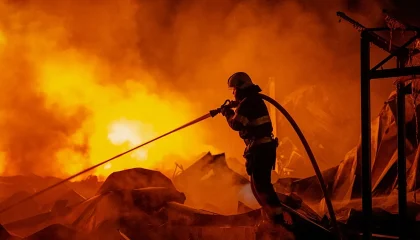
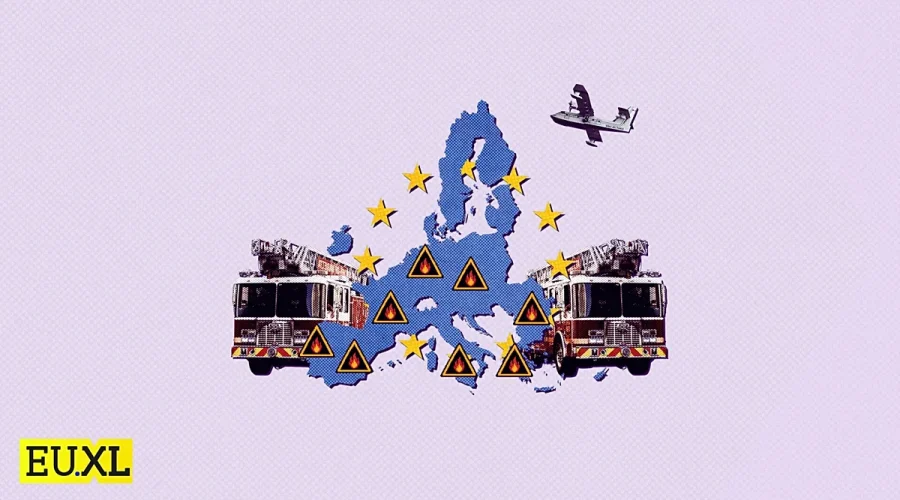
The European Commission has declared this summer’s intervention as the most extensive in the program’s history. Before the flames even began spreading across multiple nations, emergency assets were strategically positioned: 777 firefighters drawn from fourteen member states, twenty-two aircraft, and five helicopters stood ready for deployment. This represents the highest level of participation since the coordinated mechanism was established in 2022.
Nation-states most directly affected have activated the EU Civil Protection Mechanism to access additional resources. France called upon neighboring countries for aerial support, receiving four rescEU planes from Sweden and Cyprus. Portugal, meanwhile, welcomed substantial ground reinforcement: 118 firefighters and forty-five vehicles arrived from Spain, complemented by three rescEU aircraft contributed by Italy and Spain.
“We have regular wake-up calls, but this one is the biggest since couple of years,” noted Commissioner for Equality, Preparedness and Crisis Management Hadja Lahbib, emphasizing that “Europe stands together.”
Understanding the Numbers Behind the Crisis
Statistical tracking provides crucial context for evaluating this year’s severity. The European Forest Fire Information System documented 1,407 separate wildfire incidents across the EU by 30 July 2026. These fires consumed nearly 435,000 hectares of land and released an estimated 17.98 million tonnes of carbon dioxide into the atmosphere.
While these figures represent progress compared to the previous year’s record-breaking season, they remain elevated above the two-decade historical average. Meteorological forecasters caution that the danger has not passed, with “very extreme conditions” currently affecting Portugal, Spain, France, Italy, and Greece simultaneously.
Coordination vs. National Responsibility
A fundamental characteristic of the EU’s approach remains its supportive rather than directive role. Brussels coordinates funding and logistical arrangements but does not command frontline operations. The actual firefighting, evacuation, and recovery efforts continue to be managed by individual member states, each drawing upon their own emergency services while accessing supplementary resources through the mechanism.
This division of labor reflects the EU’s broader governance philosophy but also reveals areas where deeper integration could prove beneficial. The growing frequency and intensity of wildfires, driven in part by climate change, have prompted ongoing discussions about whether the current model provides sufficient long-term resilience.
Beyond Immediate Response: The Landscape Challenge
One area where experts identify slower progress involves proactive landscape management. Creating less flammable environments through vegetation clearing, controlled burns, and strategic land use planning requires sustained investment and cross-border cooperation that extends beyond emergency mobilization. While the EU has successfully built capacity to respond when fires occur, reducing the underlying risk factors demands a different kind of commitment—one that spans years rather than days.
As Europe continues to experience increasingly volatile fire seasons, the question remains whether the current response framework, despite its impressive scale, addresses the root causes of vulnerability or primarily manages their symptoms. The answer will likely determine how effectively the continent can protect both its natural heritage and its communities in the decades ahead.
Related Reading
Frequently Asked Questions
What is EU deployed its biggest wildfire response?
EU deployed its biggest wildfire response is the main topic of this guide. The article explains the context, practical details, and next steps readers should understand.
Why does EU deployed its biggest wildfire response matter?
EU deployed its biggest wildfire response matters because readers are looking for a useful answer, not just a short summary. Good content should match search intent and help them decide what to do next.