European Leaders Respond to Ceuta Migration Surge with Coordinated Action
Massive Influx into Spanish Enclave Triggers EU-Wide Response
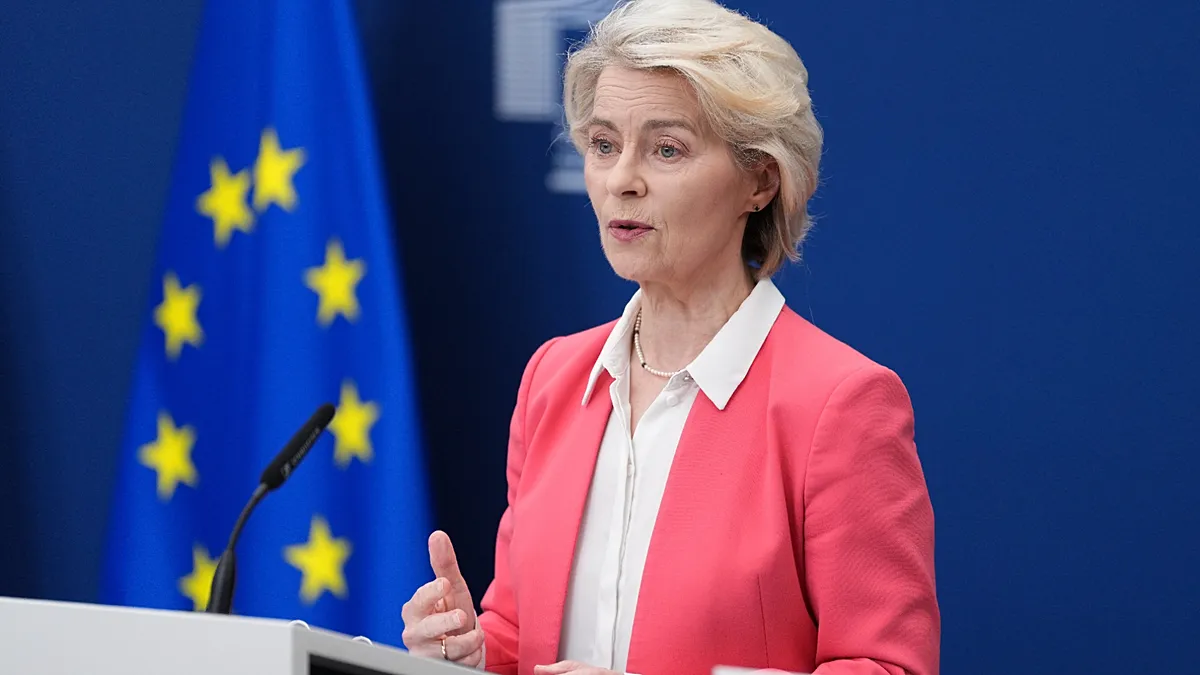
Usagevpn.com – The European Union has mobilized swiftly following an unprecedented movement of approximately 60,000 irregular migrants into Ceuta, the Spanish territory situated in North Africa. European Commission President Ursula von der Leyen addressed the developing situation this Saturday, providing clarity on the trajectory of those who crossed into the enclave. According to her assessment, “the vast majority of those who arrived illegally have returned to Morocco.” This development represents a significant outcome for European migration management, demonstrating that large-scale movements can be effectively contained through coordinated efforts.
The scale of the migration event has prompted high-level diplomatic engagement across the continent. Von der Leyen held an extensive conference call with two key EU commissioners to examine the crisis comprehensively. Magnus Brunner, who oversees Internal Affairs and Migration within the Commission, participated alongside Dubravka Šuica, whose portfolio includes Mediterranean affairs and Demography. Together, they analyzed the circumstances surrounding the Ceuta situation and evaluated the effectiveness of current containment strategies.
“Due to the effective work of Spanish and Moroccan law enforcement. Not a single person reached mainland Spain or the rest of the EU,” von der Leyen said.
Emergency Diplomatic Measures Take Shape
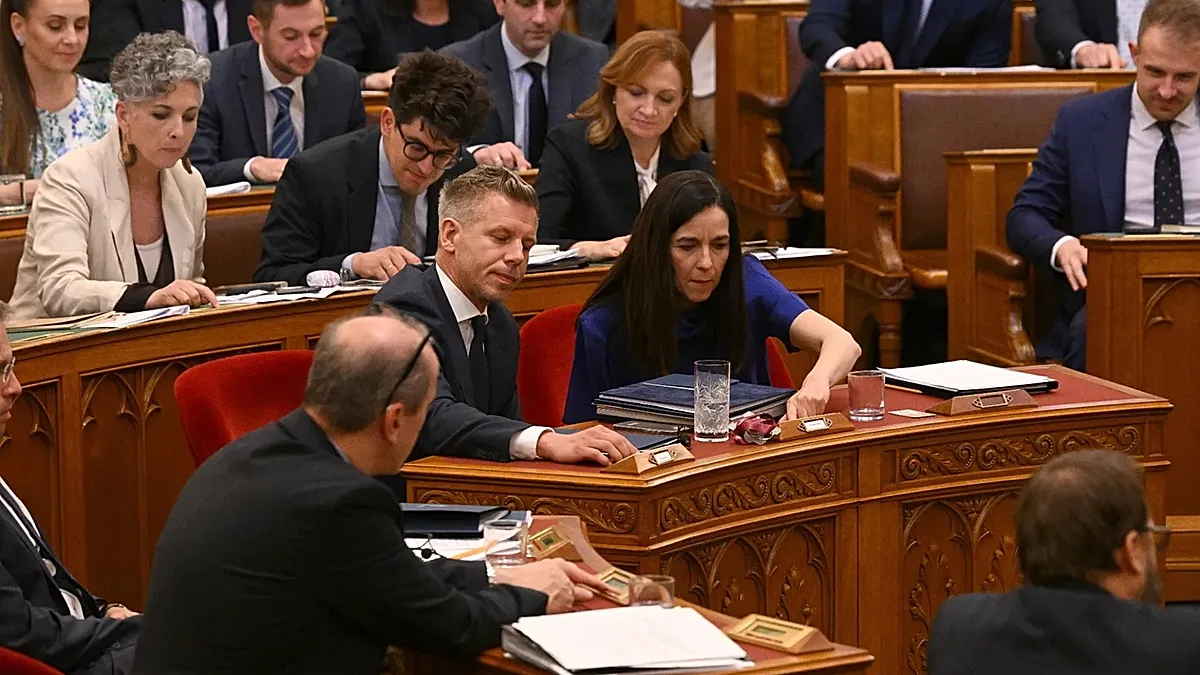
The urgency of the situation was reflected in the rapid response from EU member states. A majority of countries called for emergency discussions on Saturday regarding the Ceuta developments. The diplomatic initiative was spearheaded by an open letter signed by the leaders of 22 out of the EU’s 27 member nations. These leaders requested that the bloc’s interior ministers convene a video meeting “as a matter of urgency” to establish a unified approach to the crisis.
The primary objectives outlined in the letter included agreeing upon a speedy coordinated response and implementing measures to “prevent further uncontrolled crossings.” This collective action demonstrates the EU’s capacity for rapid diplomatic mobilization when faced with significant migration challenges. The emphasis on coordination reflects lessons learned from previous migration episodes across European borders.
Von der Leyen welcomed the move, saying the bloc needed “a lessons learned process to improve our European resilience.”
On-the-Ground Developments in Ceuta
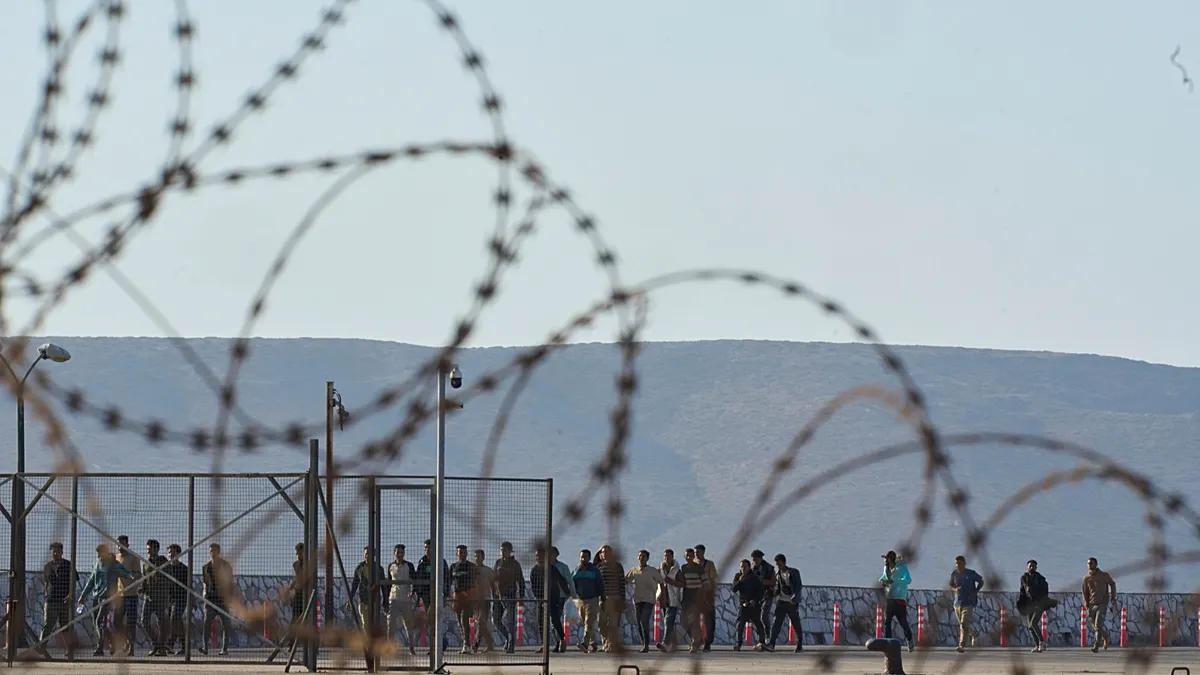
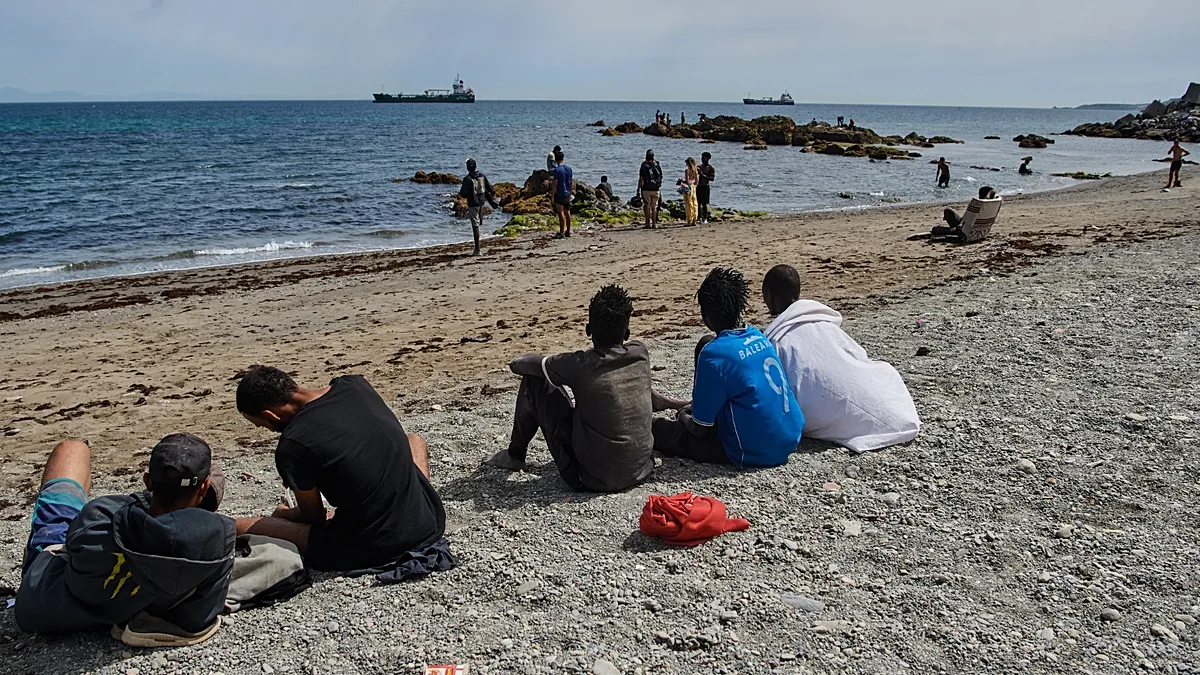
Spain’s interior ministry provided updates on the situation within the enclave on Saturday. Officials reported that nearly all of the 60,000 migrants who breached the border since Wednesday had departed the area. This substantial return rate indicates that the migration wave was temporary rather than permanent settlement. The ministry confirmed that the situation in Ceuta was nearly back to normal, suggesting that containment measures had been highly effective.
The geographical significance of Ceuta cannot be overstated in this context. As a Spanish enclave surrounded by Moroccan territory, it serves as a critical gateway between Africa and Europe. The successful management of this migration event has implications for broader European migration policy. The collaboration between Spanish and Moroccan authorities has proven instrumental in preventing secondary movements toward mainland Europe and other EU member states.
The timeline of events—from the initial breach of the border on Wednesday through the weekend developments—demonstrates the speed at which modern migration crises can unfold and be addressed. European leaders have emphasized the importance of maintaining this momentum in their response efforts. The combination of immediate containment, diplomatic coordination, and systematic evaluation represents a comprehensive approach to managing large-scale migration movements.
As the EU continues to monitor the situation, the focus remains on ensuring that the lessons drawn from this episode inform future policy decisions. The emphasis on resilience and coordinated action suggests that European institutions are adapting their strategies to address the evolving challenges of migration management in the twenty-first century.
Related Reading
Frequently Asked Questions
What is Not a single person reached mainland?
Not a single person reached mainland is the main topic of this guide. The article explains the context, practical details, and next steps readers should understand.
Why does Not a single person reached mainland matter?
Not a single person reached mainland matters because readers are looking for a useful answer, not just a short summary. Good content should match search intent and help them decide what to do next.