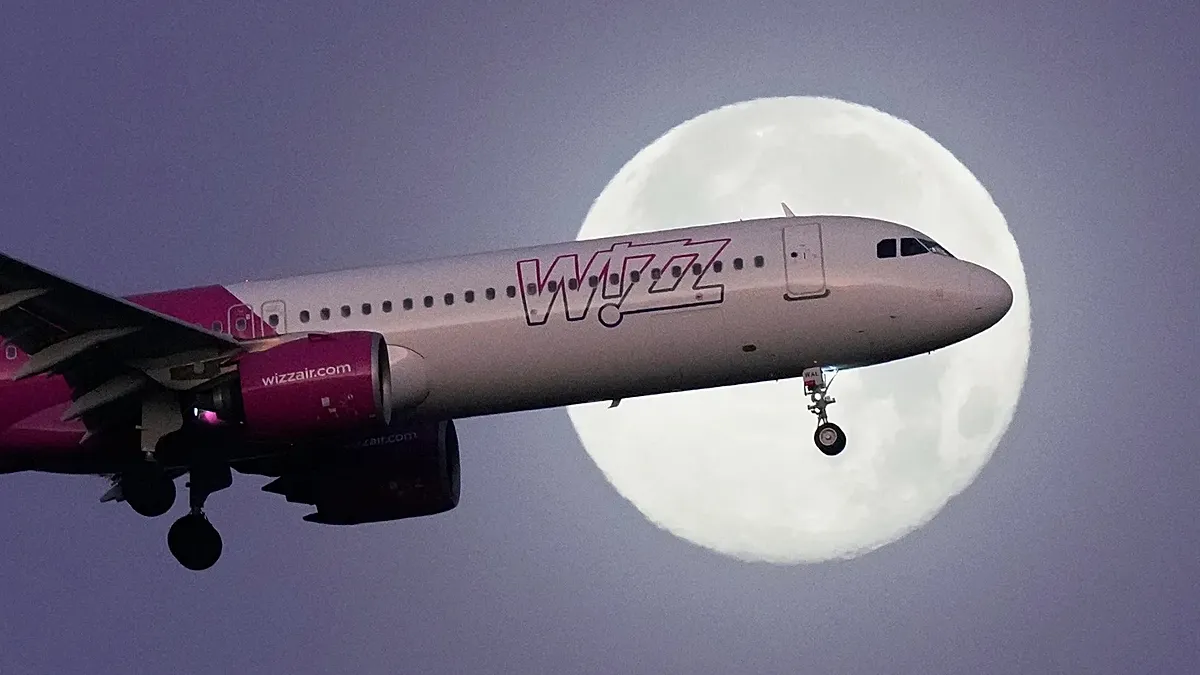
Wizz Air Embraces Starlink’s Satellite Internet as Budget Rivals Lag Behind
Wizz Air announces Starlink wifi deal – Wizz Air has revealed plans to integrate Starlink’s satellite internet across its entire fleet starting in 2027, marking a significant step in the European aviation sector’s adoption of the technology. Until now, the budget airline segment had been largely overlooked by satellite internet providers, but the Hungarian carrier is set to become a pioneer in this space. This move positions Wizz Air as a key player in enhancing passenger connectivity while maintaining its cost-effective service model.
CEO Highlights Shift to Space-Era Connectivity
In a statement, Wizz Air’s chief commercial officer, Ian Malin, emphasized the importance of expanding access to modern amenities for travelers. “Ultra-low-cost travel has always been about making opportunities accessible to more people,” he said. “In 2027, we’re taking that philosophy into the space era.” The CEO’s remarks underscore the airline’s commitment to leveraging cutting-edge technology to differentiate itself in a competitive market.
“Ultra-low-cost travel has always been about making opportunities accessible to more people,” said Ian Malin, chief commercial officer of Wizz Air. “In 2027, we’re taking that philosophy into the space era.”
Eurowings Joins Starlink Rollout Amid Parent Company’s Initiative
Eurowings, part of the Lufthansa Group, is set to implement Starlink’s service later this year as part of a broader initiative across the entire airline network. This makes Wizz Air one of the few budget carriers to have committed to the technology, though the definition of “ultra-low-cost” remains a subject of debate. The rollout could signal a new era for in-flight connectivity, with European carriers gradually catching up to global leaders in this field.
Financial Terms and Passenger Implications
The Hungarian airline has not disclosed the financial specifics of the agreement, leaving uncertainty about whether the service will be complimentary or offered as an optional paid feature. This ambiguity is expected to influence passenger decisions, particularly among those who prioritize cost efficiency. For budget-conscious travelers, the pricing model could determine the service’s appeal, with Wizz Air’s approach likely to shape the industry’s trajectory.
Starlink’s Global Expansion and Aviation Footprint
The announcement comes as SpaceX, Starlink’s parent company, prepares for its Nasdaq debut, signaling continued momentum for the satellite internet provider’s global aviation expansion. The company has already secured partnerships with major U.S. carriers such as American Airlines, Southwest, United, and Alaska Airlines, as well as international long-haul operators Singapore Airlines and Emirates. This growing list of collaborators highlights Starlink’s potential to disrupt traditional in-flight connectivity models.
European Market Milestones and Regional Progress
In Europe, airBaltic became the first to introduce Starlink’s service in February 2025, followed by Air France, SAS, and British Airways. These early adopters have demonstrated the technology’s viability for European airlines, paving the way for others to follow. Meanwhile, in Asia, the Hanjin Group, which encompasses Korean Air, Asiana Airlines, and three budget carriers, announced a Starlink deal in December 2025, with implementation slated for the third quarter of 2026. This expansion underscores the service’s appeal beyond traditional aviation hubs.
Competitive Delays from Ryanair and EasyJet
Despite these advancements, budget airlines Ryanair and EasyJet have opted to delay their Starlink implementations. Ryanair’s CEO, Michael O’Leary, has stated that the high installation costs, fuel drag, and the relatively short duration of typical flights make the service less viable at this time. EasyJet, while engaging in discussions with Starlink, has indicated that the economic benefits have not yet materialized to justify the investment. Their hesitation may create a gap in the market, allowing competitors like Wizz Air to gain an edge.
Ryanair chief executive Michael O’Leary has ruled out the service for now, citing installation costs, fuel drag and the short duration of the airline’s average flights.
Economic Considerations and Industry Impact
EasyJet has held talks with Starlink but says the economics do not yet stack up. The airline’s reluctance highlights the challenges of integrating satellite internet into cost-sensitive operations. While Starlink’s technology promises faster, more reliable connectivity, the financial burden of adoption remains a critical factor for budget carriers. For Wizz Air, the decision to proceed with the partnership reflects a strategic balance between innovation and affordability.
Wizz Air’s Financial Outlook and Strategic Motivation
Wizz Air’s 2026 financial year results, which concluded on March 31, are set to be released on June 11. The airline anticipates achieving a break-even or slightly positive profit for the full year, a milestone that could bolster its confidence in investing in advanced services. With a clear financial trajectory, the carrier is now positioning itself to deliver improved in-flight experiences without compromising its core value proposition.
Industry-Wide Shift and Future Prospects
As Starlink’s aviation footprint grows, the broader implications for the industry become increasingly apparent. The technology’s ability to provide consistent connectivity across diverse flight routes could redefine passenger expectations, particularly for budget airlines aiming to enhance their offerings. However, the pace of adoption will depend on how carriers weigh the benefits against operational and financial constraints. Wizz Air’s early commitment may set a precedent for others to follow, potentially reshaping the competitive landscape in the years ahead.
Comparing Starlink’s Reach and Market Penetration
Starlink’s expansion into the budget airline sector is a notable shift from its initial focus on premium carriers. While the service has already been integrated into the fleets of several U.S. and international operators, the European market is still in the early stages of adoption. The Hungarian carrier’s decision to partner with Starlink could accelerate this trend, especially as it competes with other regional players. The question remains: will this move solidify Wizz Air’s position as a leader in the ultra-low-cost segment, or will it merely signal a broader industry transformation?
Challenges and Opportunities in Satellite Connectivity
The integration of satellite internet into budget airlines presents both opportunities and challenges. On one hand, it allows carriers to offer passengers modern connectivity at competitive prices, potentially improving customer satisfaction. On the other, it requires careful management of costs, particularly in an industry where margins are often slim. For Wizz Air, the partnership with Starlink represents a bold step toward modernizing its services, even as it navigates the complexities of implementation and pricing.