Coastal Renaissance: Typhoon Project’s Second Wave Cleans Greek Shores
Major drop in pollution – Greece’s island communities are experiencing a remarkable environmental transformation as the Typhoon Project enters its seventh year of dedicated service. The initiative’s second round of comprehensive cleaning operations has brought renewed vitality to six Cycladic islands, demonstrating that consistent, methodical environmental stewardship yields measurable outcomes. The Athanasios C. Laskaridis Public Benefit Foundation, which spearheaded these efforts across the archipelago, has confirmed that systematic interventions produce tangible benefits for coastal preservation.
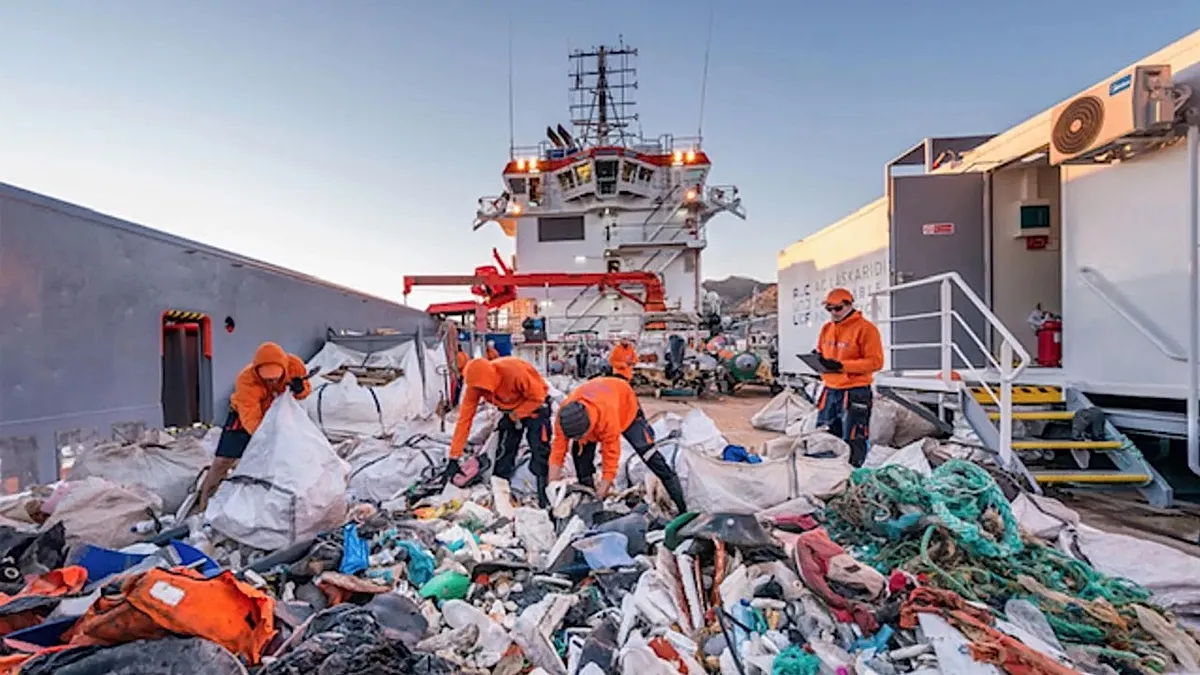
The scope of this achievement extends far beyond a single season’s work. Since its inception, the Typhoon Project has successfully rehabilitated more than 4,800 distinct stretches of coastline throughout Greece. The cumulative effort has extracted over 1,090 tonnes of accumulated waste from vulnerable shorelines, while simultaneously building one of the nation’s most comprehensive databases documenting coastal pollution patterns. This dual approach—combining physical cleanup with rigorous data collection—has created a model for sustainable environmental management.
Island-by-Island Transformation
The latest operations targeted six specific destinations within the Cyclades: Syros, Mykonos, Delos, Antiparos, Despotiko, and Keros. Each location presented unique challenges and opportunities for restoration. What emerged from these coordinated efforts was a clear pattern of improvement when compared to the initial cleanup cycle. Pollution levels showed noticeable declines across all monitored areas, reflecting both the effectiveness of the intervention strategies and a growing environmental consciousness among local populations.
During these missions, project teams conducted thorough assessments of 575 beaches. Remarkably, 468 of these locations were already in relatively clean condition, requiring only maintenance rather than extensive rehabilitation. The remaining 107 beaches underwent active cleanup operations, where teams removed hundreds of thousands of individual waste items and dozens of tonnes of accumulated material. This substantial removal effort contributed significantly to restoring the ecological balance of these fragile coastal environments.
The involvement of local communities was also crucial in achieving these results, demonstrating that environmental protection requires active participation from those who live alongside the sea.
Education and Community Engagement
One of the most encouraging aspects of the second cycle was the deepening of community involvement. Educational institutions played a particularly prominent role in these efforts. On Mykonos, an impressive 918 school pupils participated in beach cleaning activities over a six-day period, collectively working to restore three separate beaches. This youth engagement sent a powerful message about intergenerational responsibility for environmental stewardship.
Meanwhile, on Syros, the project forged valuable connections with the Merchant Marine Academy. Students from this prestigious maritime institution joined the cleanup teams, helping to strengthen environmental awareness among future maritime professionals. These educational partnerships ensure that the values of coastal protection will be carried forward by those who will eventually manage Greece’s waters and shorelines.
Data-Driven Results
The findings from this second operational cycle reveal important insights about sustainable coastal management. The combination of sustained field presence, scientific data recording, and active citizen participation has proven capable of significantly reducing coastal pollution levels. These results suggest that Greece’s shores are entering a period of gradual but meaningful improvement.
The comprehensive database created through these operations now provides valuable reference material for future environmental planning. Scientists, policymakers, and community leaders can draw upon this information to make informed decisions about coastal protection strategies. The systematic approach—repeating cleanups in the same locations year after year—has allowed researchers to track changes over time and identify trends in pollution patterns.
As the Typhoon Project continues its work, the evidence from these six islands offers hope for similar transformations across Greece’s extensive coastline. The combination of physical cleanup, scientific documentation, and community engagement creates a holistic model that addresses pollution at multiple levels. Local communities are not merely passive recipients of environmental services; they are active participants in the restoration of their natural heritage. This collaborative approach ensures that the benefits of the project extend beyond immediate cleanup results to create lasting environmental awareness and commitment to coastal protection for generations to come.