Archaeological Discovery in Luxor Reveals Ancient Burial Site
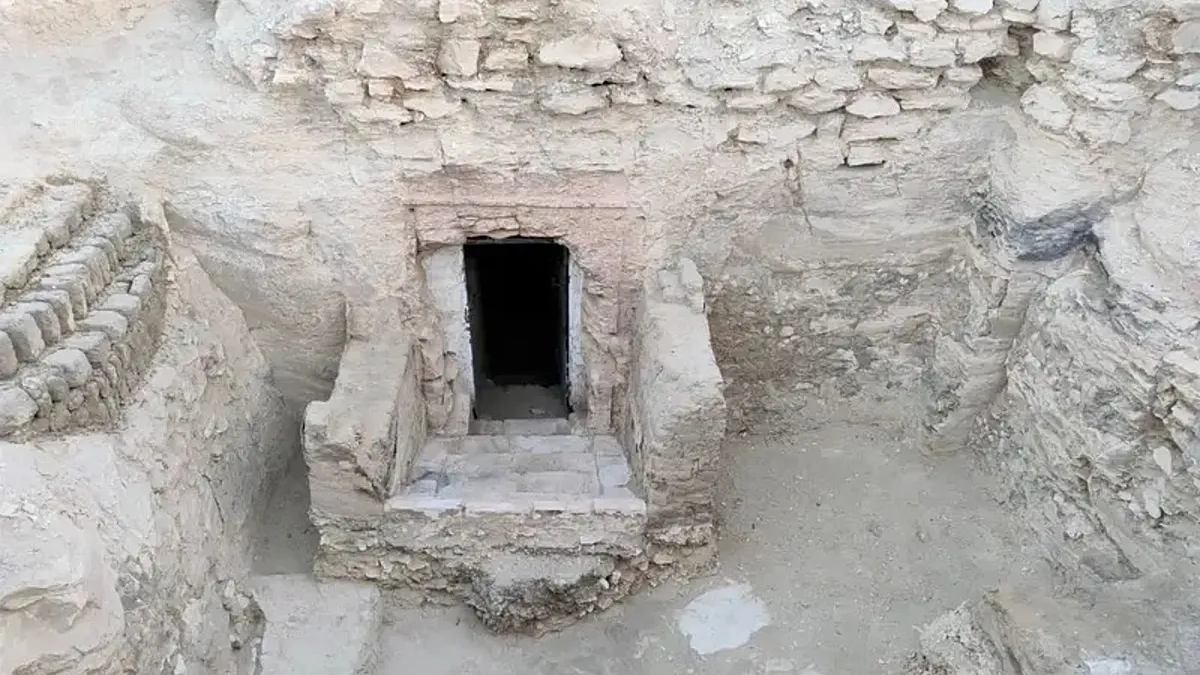
3 000 year old Egyptian tomb – Dutch researchers have uncovered a remarkable 3 000 year old Egyptian tomb near Luxor, bringing new insights into ancient burial practices. The Supreme Council of Antiquities announced the finding at the Sheikh Abd El-Qurna necropolis, a UNESCO-recognized area on the West Bank. This 3 000 year old Egyptian structure belongs to an individual named Paser and dates to the Ramesside period between 1292 and 1069 BCE. The discovery highlights the rich archaeological heritage of the region.
Architectural and Artistic Features
The tomb features an open courtyard connected to a rock-cut chapel and underground chambers. A mudbrick bench once held a stela, while a staircase provided access to the lower levels. Vivid paintings adorn the walls, depicting Paser worshipping various deities and sitting with his wife at an offering table. These scenes represent eternal provisions of food and drink for the afterlife. The artistic quality of these murals demonstrates the sophisticated craftsmanship of the era.
Carina van den Hoven from Leiden University has led the excavation team since 2018, working alongside the Supreme Council of Antiquities. Her research focuses on understanding the social and religious significance of such tombs. The team continues to document every aspect of the 3 000 year old Egyptian burial site for future study.
Conservation and Future Research
Conservators are currently removing accumulated dirt from the paintings to preserve their vibrant colors. The archaeological team plans to identify additional burials within the complex. Hisham Al-Leithy, secretary-general of the Supreme Council of Antiquities, emphasized the importance of this discovery for understanding ancient Egyptian society.
“This tomb provides valuable information about the lives of people during the Ramesside period,” Al-Leithy stated. “The paintings and architectural elements help us reconstruct daily life and religious practices.”
The Sheikh Abd El-Qurna necropolis has long been recognized as a prestigious burial ground for high-status individuals. Priests, officials, and members of the royal family found their final resting place here. This 3 000 year old Egyptian tomb adds to the growing body of evidence about the region’s historical significance.
Researchers believe that further excavation may reveal additional chambers or burial shafts. The team will continue analyzing the paintings and architectural features to determine the full scope of the site. This discovery contributes to our understanding of how ancient Egyptians viewed death and the afterlife.