Cuban Legal Advocacy Group Seeks Clarity on Missing Artist’s Location
Legal Action Taken After Artist’s Disappearance from Prison
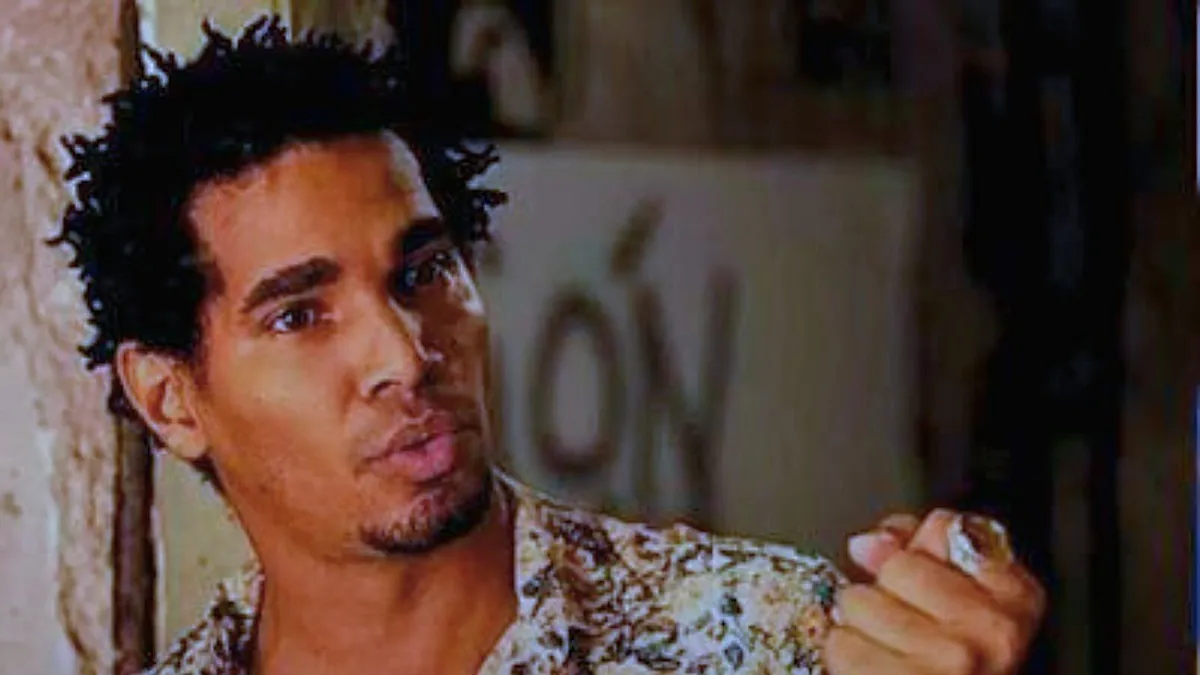
Human rights organisation files legal petition – A prominent human rights organization based in Cuba has initiated formal legal proceedings to determine the current location of dissident artist Luis Manuel Otero Alcántara. The artist, who gained international attention following his arrest in 2021 during government protests, was removed from Guanajay Prison by State Security agents on Tuesday, July 7, 2026. According to reports, he was transported to an unspecified destination, and his exact whereabouts have remained unclear since that removal.
Cubalex, a legal advisory organization that operates from outside Cuban territory while providing counsel to dissidents and documenting human rights violations across the island, has submitted a habeas corpus petition. This legal instrument aims to prevent what the organization describes as potential illegal deprivation of liberty for the 38-year-old artist. The filing represents a critical step in ensuring that proper legal procedures are followed regarding Alcántara’s detention status.
Timeline of Arrest and Legal Proceedings
Alcántara’s journey through Cuba’s legal system began on July 11, 2021, when authorities detained him as he attempted to participate in a large-scale demonstration against widespread blackouts affecting the nation. His case progressed through the courts, and in 2022, a judicial body handed down a five-year prison sentence. The charges included public disorder, contempt, and disrespect toward national symbols—offenses that have been frequently applied to critics of the Cuban government during this period.
The artist’s situation has drawn significant attention from both domestic and international observers. Organizations including Amnesty International have officially classified Alcántara as a political prisoner, though the Cuban government maintains that this designation does not apply to his case. This disagreement highlights the ongoing tension between international human rights bodies and Cuban authorities regarding the treatment of dissidents.
Broader Context of Government Response
Since the protests of July 2021, the Cuban government has substantially increased its efforts to monitor and restrict individuals who voice criticism through social media platforms. Influencers and digital content creators have become particular targets of this expanded surveillance and legal action. Alcántara’s case exemplifies this pattern, as his artistic work and public statements have made him a visible figure in Cuba’s opposition movement.
The international dimension of his case received renewed attention last week when Mike Walz, the United States Ambassador to the United Nations, presented a photograph of the artist during a debate concerning the American embargo against Cuba. This public acknowledgment by a senior American diplomat underscored the growing global awareness of Alcántara’s situation and the broader issues surrounding freedom of expression in Cuba.
Legal Deadline and Current Status
Cubalex has emphasized the urgency of their petition, noting that judicial authorities now face a strict 72-hour window to provide an official response. In their online statement, the organization explained: “The relevant judicial authorities now have a legal deadline of 72 hours to issue a response. This legal action is being filed amid a critical situation of vulnerability and lack of protection.”
The habeas corpus petition serves multiple purposes in this case. Beyond establishing whether Alcántara’s detention complies with legal standards, it also creates a formal record of his status and location. Should the authorities fail to respond within the designated timeframe, the petition could lead to further legal consequences and increased international scrutiny of Cuba’s treatment of political dissidents.
As the 72-hour deadline approaches, human rights advocates and legal experts are closely monitoring developments. The outcome of this petition may have implications not only for Alcántara but also for other Cuban artists and activists who face similar uncertainties regarding their legal status and freedom of movement.