European Parliament Condemns Zelenskyy for Naming Military Unit After UPA Heroes
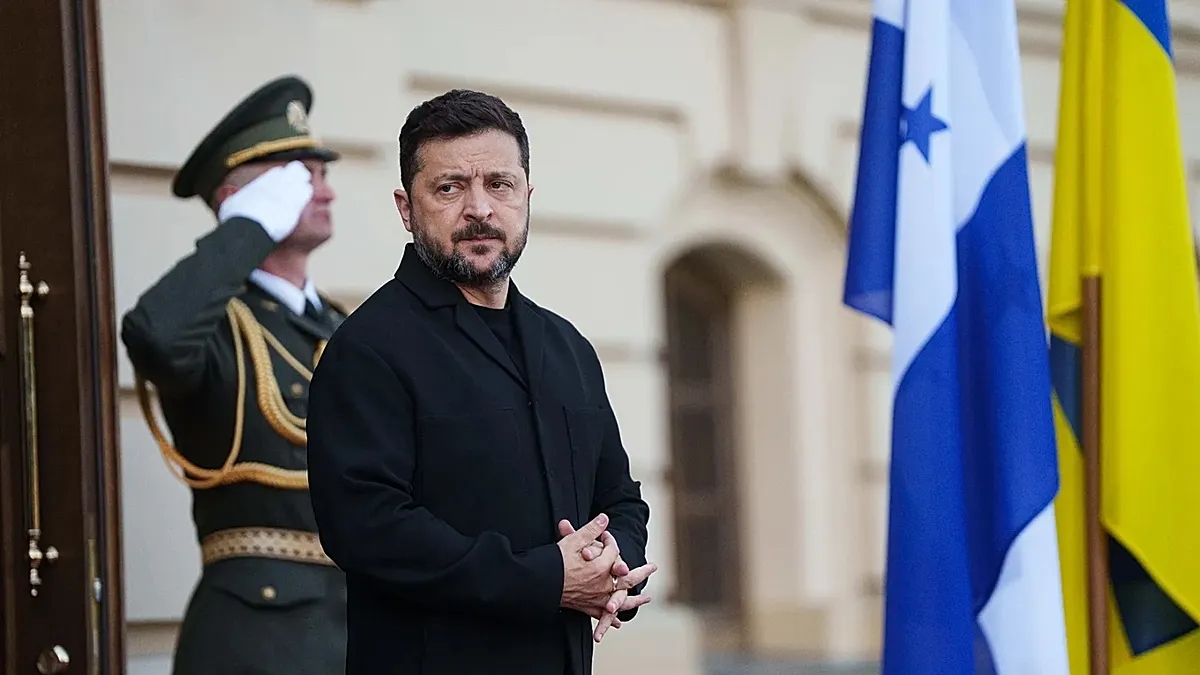
European Parliament condemns Zelenskyy for naming a Ukrainian military formation after controversial World War II figures, marking a significant diplomatic moment. Lawmakers within the European Parliament took a firm stance on Wednesday by approving a substantial amendment that voices strong disapproval regarding President Volodymyr Zelenskyy’s decision to rename a prestigious Ukrainian military formation. The choice to honor heroes from the Ukrainian Insurgent Army, commonly known as UPA, has ignited a fresh wave of diplomatic tension between Kyiv and Poland. A substantial number of Members of the European Parliament cast their votes in support of this critical amendment. The text of the amendment highlights regret concerning what it describes as an unnecessary and unprovoked escalation initiated by the Ukrainian president. Furthermore, it acknowledges Poland’s unwavering assistance to Ukraine throughout the ongoing conflict against Russia’s invasion.
Historical Context of the UPA Controversy
The Ukrainian Insurgent Army holds a complex place in Eastern European history. Within Ukraine, the UPA is frequently celebrated for its historical contributions to resisting Soviet domination and striving for national sovereignty during and after World War II. The organization fought against both Nazi Germany and the Soviet Union, seeking an independent Ukrainian state. However, the perspective differs significantly across the border in Poland. There, the organization is often linked to the tragic Volyn massacre that occurred between 1943 and 1945. During this period, tens of thousands of Polish citizens lost their lives while living under Nazi occupation. While Poland officially classifies these events as genocide, Ukrainian authorities have consistently rejected this characterization, viewing the violence as part of a broader ethnic conflict.
The Parliamentary Amendment and Its Origins
This important legislative move was introduced by Andrzej Halicki, a representative of Poland’s European People’s Party, working alongside his German counterpart, Michael Gahler. The amendment was integrated into a broader report designed to evaluate Ukraine’s trajectory toward becoming a member of the European Union. The timing of the amendment proved particularly sensitive, as it came shortly after Zelenskyy’s visit to Poland where he personally oversaw the renaming ceremony. The amendment specifically addresses concerns about historical memory and how Ukraine chooses to commemorate its past. It emphasizes the importance of acknowledging all perspectives when honoring historical figures, particularly those with controversial legacies. The vote reflected growing concerns among some EU member states about Ukraine’s approach to historical reconciliation.
The European Parliament’s decision demonstrates that historical memory remains a vital component of European unity and diplomatic relations.
Immediate Political Consequences
The controversy surrounding the military unit’s new name triggered immediate consequences in Polish politics. Polish President Karol Nawrocki responded decisively by revoking the Order of the White Eagle from Zelenskyy. This prestigious award, recognized as Poland’s highest state honor, had been presented to the Ukrainian leader during his previous visit. The revocation symbolized Poland’s strong reaction to what it perceived as a disregard for Polish historical sensitivities. Polish officials expressed disappointment that the renaming occurred without adequate consultation with Warsaw. The decision also prompted calls for a review of Poland’s military cooperation with Ukraine, though no major changes have been announced yet.
Broader Implications for EU-Ukraine Relations
The European Parliament’s condemnation extends beyond bilateral Polish-Ukrainian relations. It signals to other EU member states that historical issues remain relevant in the context of Ukraine’s European integration. The amendment’s inclusion in the EU accession report suggests that how Ukraine handles historical controversies may influence its path toward membership. Some analysts view the incident as a test case for how the EU balances support for Ukraine with respect for member states’ historical concerns. The situation also highlights the challenges of maintaining unity among EU members with different historical experiences of World War II. As Ukraine continues its journey toward European integration, such diplomatic tensions may become more frequent as historical questions resurface.
The European Parliament condemns Zelenskyy for naming this military unit, but the incident ultimately reinforces the importance of dialogue and mutual understanding in European affairs. Both Ukraine and Poland have expressed willingness to continue their partnership despite the current disagreement. The renaming ceremony itself was attended by thousands of Ukrainian citizens who viewed the UPA as heroes of independence. Meanwhile, Polish citizens have largely supported their government’s firm response. The situation remains fluid, with both sides indicating openness to further discussions about historical memory and future cooperation.