Lockheed Martin and Rheinmetall Begin First ATACMS Missile Production in Europe
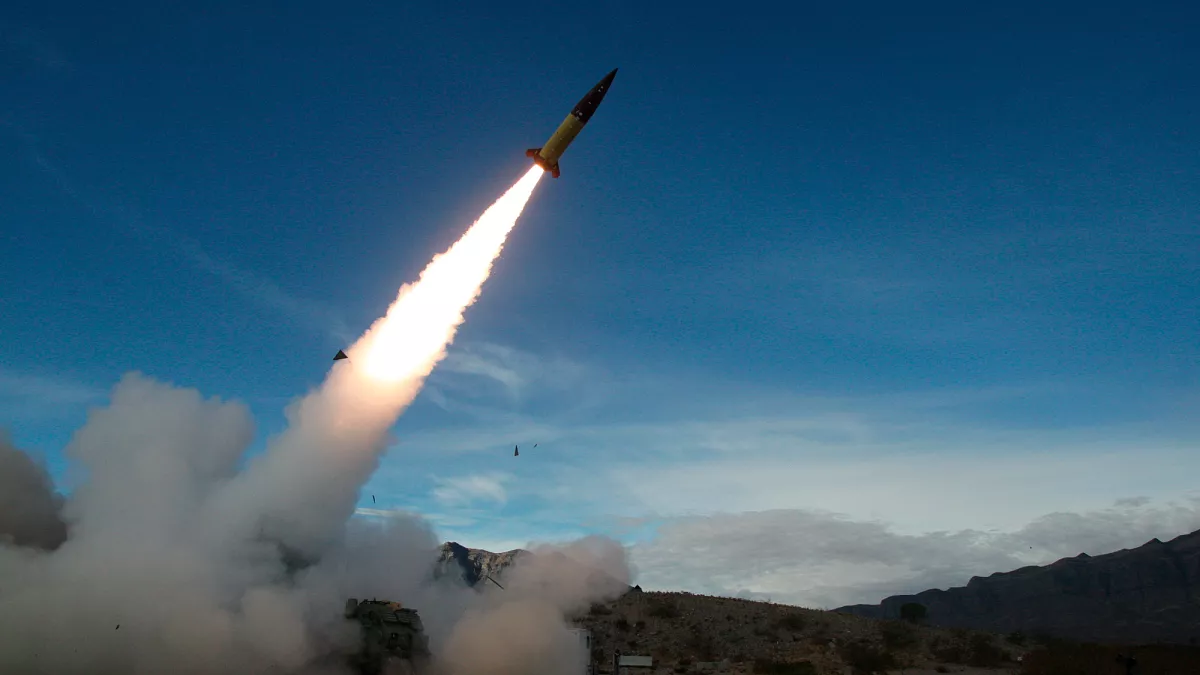
Lockheed Martin and Rheinmetall plan first – Lockheed Martin and Rheinmetall plan to establish the first European production line for the ATACMS missile system. This strategic move involves the US defense giant and Germany’s leading arms manufacturer setting up manufacturing operations in Unterlüß, northern Germany. The initiative marks a significant step in decentralizing military production, as it allows NATO allies to produce the Army Tactical Missile System (ATACMS) domestically. The decision was announced at NATO’s summit in Turkey, where defense collaboration was a key topic of discussion. By manufacturing ATACMS in Europe, the partnership aims to reduce reliance on US supply chains and enhance regional self-sufficiency in critical weaponry.
ATACMS: A Strategic Asset in Eastern Europe
The ATACMS missile system, known for its precision and range of up to 300 kilometers, has played a crucial role in Ukraine’s military operations. Since the conflict began, the system has been used extensively to counter Russian advances, particularly in the eastern and southern fronts. Its effectiveness has made it a preferred choice among NATO members, who are looking to strengthen their capabilities in the region. With production now shifting to Germany, the system’s availability for European defense forces is expected to increase, reinforcing the alliance’s ability to respond to evolving security threats.
“This collaboration with Rheinmetall represents a major milestone in our shared commitment to supporting Europe’s defense needs,” said a Lockheed Martin spokesperson. “By bringing ATACMS production to Germany, we are not only meeting the demand for advanced munitions but also ensuring greater strategic autonomy for NATO members.”
Shift in Manufacturing and Geopolitical Implications
Lockheed Martin and Rheinmetall plan to expand the production footprint of ATACMS beyond its traditional US-based facilities. The move is part of a broader strategy to localize key military technologies within the European Union, which has been under pressure to become more self-reliant in defense manufacturing. The German production hub is expected to serve as a critical node in this effort, with the potential to supply both NATO allies and international partners. This initiative aligns with Washington’s push for European nations to increase defense spending and reduce dependency on American suppliers, as highlighted during the summit discussions.
PAC-3 Interceptors: A Growing Concern for Supply Chain
While the focus remains on ATACMS production, the partnership also signals an interest in expanding to other systems. Lockheed Martin and Rheinmetall plan to explore the possibility of establishing a maintenance and production facility for PAC-3 interceptors in Europe. The PAC-3, a vital component of the Patriot missile defense system, has seen significant depletion due to high demand in the Middle East and Ukraine. With the US manufacturing around 600 units annually, the need for alternative production hubs is becoming urgent. This development could ensure a more stable supply of interceptors for NATO members facing increasing missile threats.
Ukrainian officials have emphasized the importance of securing reliable sources for advanced weaponry, including ATACMS and PAC-3 systems. Recent attacks by Russian forces have highlighted vulnerabilities in Ukraine’s air defense network, making the availability of these systems more critical than ever. The German production line for ATACMS, combined with potential PAC-3 initiatives, could help alleviate supply pressures and support Ukraine’s ongoing war effort. This dual focus on production and maintenance underscores the strategic significance of the collaboration for both military readiness and economic ties between the US and Europe.
Opportunities and Challenges in European Defense Manufacturing
Lockheed Martin and Rheinmetall plan to create long-term opportunities for European defense industries by tapping into local expertise and infrastructure. The Unterlüß facility, which has a history of producing advanced artillery systems, is well-positioned to handle the complexities of ATACMS assembly. However, challenges remain, including the need to maintain high-quality standards and ensure efficient logistics. The success of this initiative will depend on seamless cooperation between the two companies, as well as the ability to scale production to meet growing demand. As geopolitical tensions persist, such partnerships are becoming essential for reinforcing Europe’s military capabilities.