France Heatwave: Hospitals Adapt Urgently Ahead of New Hot Spell
France heatwave – As France braces for an impending heatwave, healthcare institutions are implementing emergency measures to prepare for the challenge. The recent extreme weather event, which claimed nearly 1,000 additional lives compared to average conditions, has forced hospitals to reassess their readiness. With another wave of high temperatures forecasted to arrive mid-next week, medical facilities are scrambling to upgrade infrastructure and streamline operations to prevent a recurrence of the crisis.
Strain on Healthcare Systems During Previous Heatwave
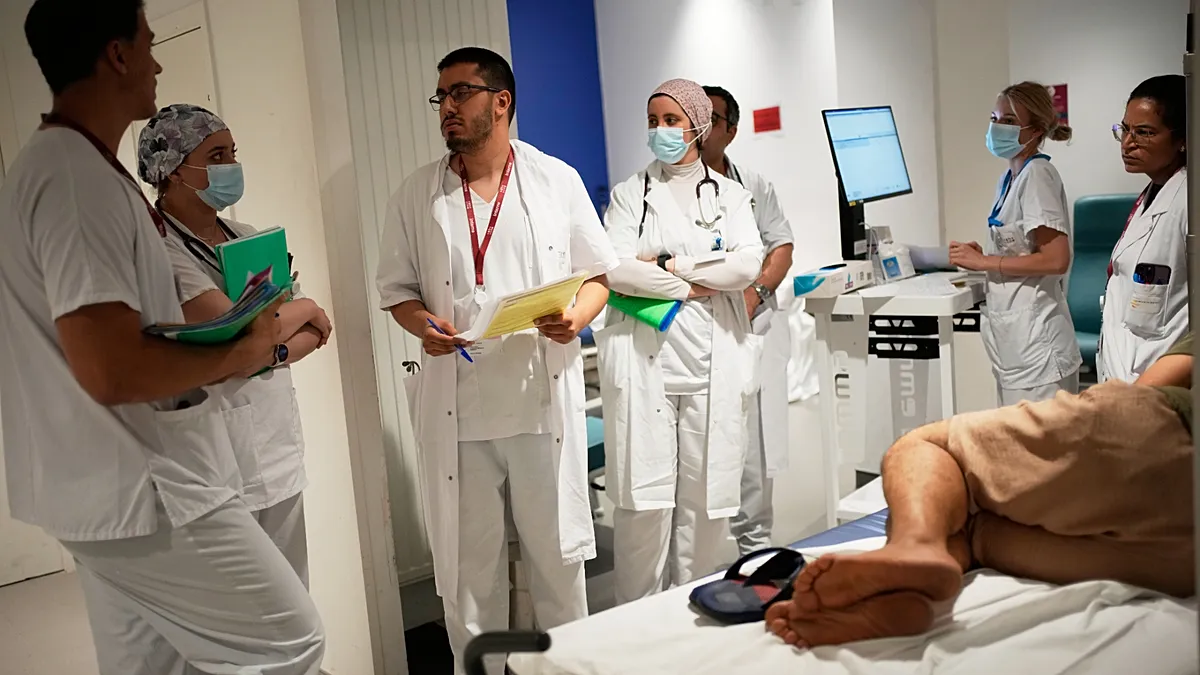
The previous heatwave exposed critical vulnerabilities in France’s healthcare system. Hospitals faced overwhelming pressure as patient admissions surged, particularly among the elderly and those with preexisting conditions. Equipment shortages exacerbated the situation, with many facilities struggling to maintain optimal conditions for treatment. According to Cédric Lussiez, director of the Paris Saclay hospital in Orsay, the response during the earlier crisis was both exhausting and revealing. “This week was a disaster for every member of the hospital staff, not just nurses and doctors, but also administrative and support personnel. We worked around the clock, yet we were still forced to improvise as we discovered gaps in our preparedness,” he said.
Lussiez emphasized that the heatwave revealed systemic weaknesses in how healthcare facilities are managed. “We assumed we had the resources to handle the situation, but in reality, we were unprepared for the scale of the demand,” he explained. The hospital has since taken decisive steps to address these issues, including the installation of air conditioning units and the relocation of sensitive departments. “We’ve restructured our operations to prioritize patient safety, moving the ward for elderly residents to a newly constructed facility equipped with climate-controlled environments,” he added. These changes are part of a broader effort to ensure that hospitals can withstand future extreme weather events without collapsing under pressure.
Reallocating Resources for Immediate Needs
In response to the crisis, medical teams quickly adapted by repurposing available equipment. Emmeline Joly, deputy director of the same hospital, noted that items typically used for patient hygiene were diverted to address severe hyperthermia cases. “We utilized shower trolleys, which are usually reserved for individuals with mobility challenges, to treat patients suffering from dangerously high body temperatures. We also brought in bathtubs for the SMUR (Mobile Emergency and Resuscitation Unit), filling them with ice cubes to create cooling stations,” she said.
These adjustments highlight the urgency of the situation and the need for flexible resource management. Joly pointed out that the previous heatwave required rapid decision-making to mitigate risks. “Every piece of equipment became a lifeline, and we had to think creatively to meet the demands of the moment,” she explained. The hospital’s efforts underscore a broader trend across France, where healthcare providers are reevaluating traditional practices to better align with the realities of climate-related emergencies.
Government Investment and Criticism
French Prime Minister Sébastien Lecornu has announced a €100 million investment to bolster healthcare facilities most vulnerable to heat. This funding will be directed toward infrastructure improvements, including the installation of 30,000 air conditioners. The first units are set to arrive next week, a move that Lecornu hopes will ease the burden on hospitals during the upcoming heatwave.
Despite these initiatives, the Green party has expressed skepticism, calling the measures inadequate and delayed. “The investment is too small and the timeline too slow to make a meaningful impact,” said a party representative, who plans to introduce a motion of no confidence against the government in the coming days. The criticism reflects concerns that the government has not fully addressed the long-term implications of climate change on public health.
Government spokesperson Maud Bregeon defended the plan, stating that the measures would “provide essential support during this critical period.” However, she stopped short of acknowledging the broader environmental context. “Our focus is on immediate relief, not a complete overhaul of the system,” Bregeon said, adding that the government remains committed to protecting healthcare services during the current weather emergency.
While the actions taken by hospitals and the government are steps in the right direction, experts argue that more needs to be done. The recent heatwave has served as a stark reminder of the increasing frequency and intensity of extreme weather events. “This crisis is not an isolated incident; it’s a warning of what’s to come,” said one healthcare analyst. “Without comprehensive planning, hospitals will continue to face challenges as temperatures rise.”
As the country prepares for another wave of heat, the focus remains on ensuring that medical facilities can adapt quickly. The installation of air conditioning units, the relocation of vulnerable patient wards, and the reallocation of equipment are all part of a coordinated response. Yet, the question remains whether these measures will be enough to prevent future crises or if more ambitious action is needed to address the growing threat of climate change to public health.
In the meantime, healthcare workers continue to advocate for long-term solutions. “We’ve learned from this experience, but we need sustained investment to build resilience,” Lussiez said. “The goal is not just to survive the next heatwave, but to ensure that our hospitals are prepared for the worst.” As the summer progresses, the success of these adaptations will be a crucial test for France’s ability to respond to the escalating challenges of climate-related emergencies.