Trial Begins for Suspected Mastermind Behind Maltese Journalist’s Killing
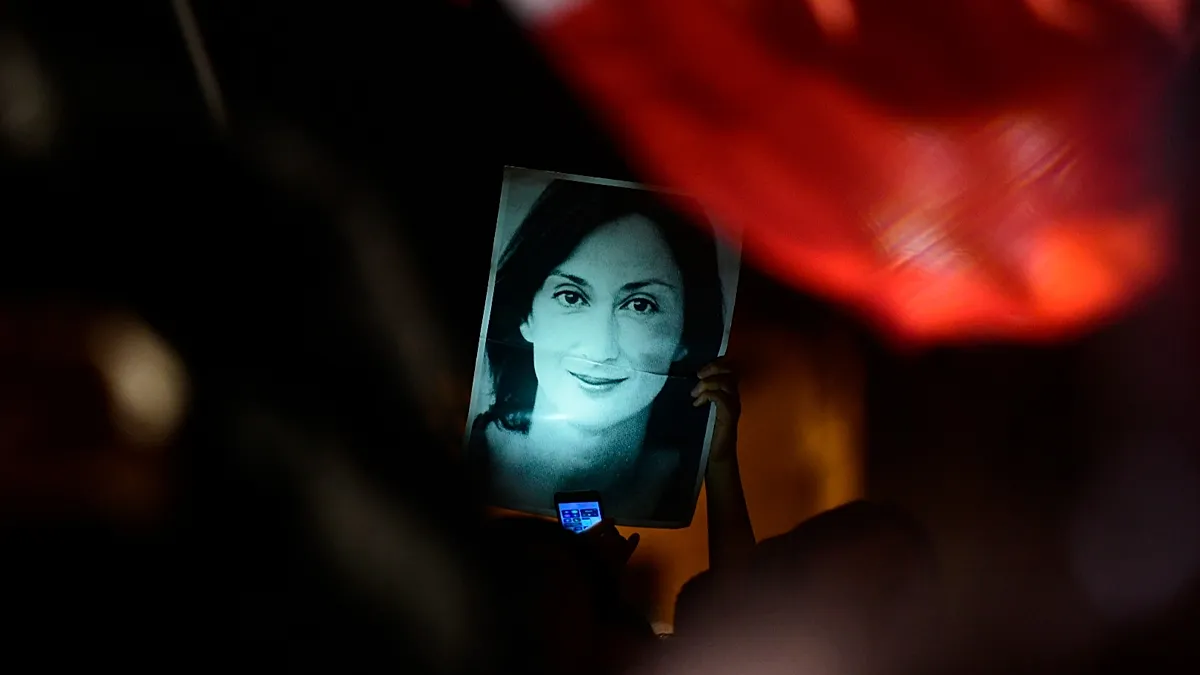
Trial begins for suspected mastermind behind – The trial of Yorgen Fenech, the alleged mastermind behind the murder of investigative journalist Daphne Caruana Galizia, has officially commenced. This legal proceeding marks a pivotal moment for Malta, a nation grappling with questions about its judicial system and political accountability. Caruana Galizia, a prominent Maltese figure known for exposing corruption, was killed in 2017 when a bomb detonated in her car near her home. Her death ignited global discussions on press freedom and the safety of whistleblowers. The trial of Fenech, who is accused of orchestrating the attack, has been closely followed by both domestic and international observers, as it represents a long-awaited pursuit of justice.
A Trail of Corruption and Courage
Daphne Caruana Galizia was renowned for her investigative work, which often targeted high-ranking officials and powerful business interests. Her reporting uncovered financial scandals and political conspiracies, earning her the reputation of a “one-woman WikiLeaks” in Malta. The assassination of such a critical voice has left a lasting impact on the country’s public discourse. The trial of Fenech, who is seen as a key figure in the conspiracy, brings renewed focus to the systemic failures that allowed her murder to occur, underscoring the need for accountability in governance.
Caruana Galizia’s killing was not an isolated event but part of a broader pattern of intimidation against journalists. The state’s role in her death has been a central theme of the trial, with prosecutors arguing that the government created an environment conducive to her assassination. This narrative has fueled debates about the protection of free speech and the independence of Malta’s judiciary. As the trial progresses, it remains a symbol of hope for those who believe justice can be served despite political interference.
Political Fallout and Public Inquiry
Following the assassination, Malta faced significant political turmoil, culminating in the resignation of then-Prime Minister Joseph Muscat in 2020. The public inquiry into the case, completed in 2021, concluded that the government had “shouldered responsibility” for Caruana Galizia’s murder. This finding has shaped the trial’s trajectory, linking her death to systemic negligence rather than individual malice. The inquiry also revealed that her killers felt emboldened by the state’s failure to protect her, a factor that has been central to the prosecution’s case.
The trial of Yorgen Fenech has become a focal point of this legal battle. Arrested on his yacht in 2019, Fenech was accused of authorizing the attack to prevent the release of an article exposing his uncle’s involvement in corruption. His initial defense, citing cocaine-induced statements, has been challenged by evidence presented in court. The trial’s outcome could determine whether the state’s role in her death is acknowledged or dismissed, influencing the country’s approach to justice in the future.
Convictions and the Road to Justice
To date, five individuals have been convicted for their roles in Caruana Galizia’s murder, with charges centered on supplying explosives and executing the attack. Robert Agius and Jamie Vella received life sentences in 2025 for their part in the plot. The three men who carried out the bombing—George and Alfred Degiorgio, along with Vince Muscat—were also found guilty. These convictions have provided some closure, but the trial of Fenech remains the most anticipated, as he is viewed as the central figure in the conspiracy.
Throughout the proceedings, the focus has been on whether Fenech’s involvement was direct or indirect. Prosecutors argue that he was the mastermind, while his defense claims he was a pawn in a larger scheme. The trial has been marked by intense scrutiny, with witnesses and documents shedding light on the complex web of connections between political figures and corporate interests. As the verdict nears, the case continues to resonate as a testament to the struggle for transparency in Malta.
Global Implications and Ongoing Watch
Caruana Galizia’s murder and the subsequent trial have drawn attention beyond Malta’s borders, highlighting the challenges faced by journalists in regions with weak accountability mechanisms. The case has been cited by international human rights organizations as a landmark example of the dangers of political impunity. As the trial unfolds, it serves as a reminder of the importance of upholding justice, even for those in positions of power. The hope is that this legal process will set a precedent for future cases, ensuring that the voices of truth-seekers are protected.