
250 missing after migrant boat sinks in Indian Ocean
250 Missing After Migrant Boat Sinks in Indian Ocean
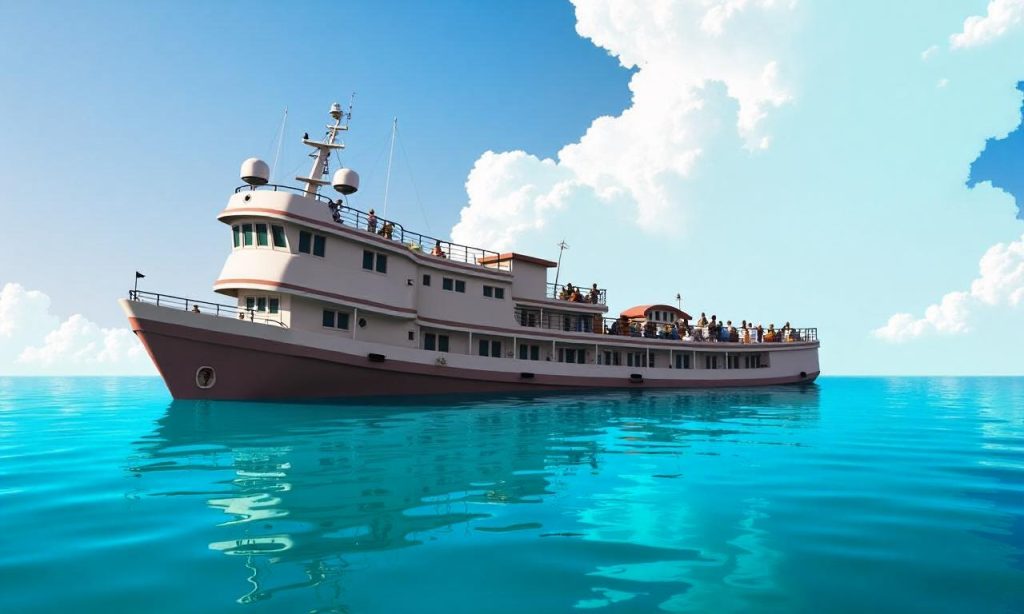
UN refugee and migration agencies reported that approximately 250 Rohingya and Bangladeshis, including children, are missing following a boat capsizing in the Andaman Sea last week. The vessel, which left Bangladesh and was heading to Malaysia, “allegedly sank because of strong winds and turbulent waters combined with overcrowding,” according to the agencies. A Bangladesh Coast Guard ship rescued nine individuals from the wreckage on April 9, though the exact moment of the accident remains uncertain.
The Rohingya, an ethnic minority in Myanmar, have been fleeing to Bangladesh in large numbers since the 2017 crackdown that triggered widespread displacement. Most are Muslim, and the Myanmar government denies them citizenship. Despite this, some Rohingya continue their perilous journeys to Malaysia, a predominantly Muslim nation seen as a potential sanctuary. However, challenging living conditions in Bangladesh have forced many to take such risks.
“I drifted for nearly 36 hours before being saved,” said Rafiqul Islam, a survivor. He recounted being scorched by oil that spilled from the boat, adding that the hope of employment in Malaysia convinced him to board.
UN agencies emphasized that this tragedy highlights the severe impact of prolonged displacement and the lack of lasting solutions for the Rohingya. Ongoing violence in Rakhine State, their homeland, has diminished prospects of a safe return. Additionally, dwindling humanitarian aid and difficult conditions in refugee camps have pushed families to seek opportunities abroad.
These vessels, often small and inadequately equipped, frequently lack essentials like clean water and proper sanitation. Many do not reach their destinations. Some perish at sea, while others are detained or deported. In January 2025, Malaysia rejected two boats carrying around 300 refugees after providing them with food and water. A Rohingya refugee in Cox’s Bazar once told Reuters: “People are dying in the fighting, dying from hunger. So some think it’s better to die at sea than to die slowly here.”
In a statement released Tuesday, the UN agencies urged the global community to maintain funding for Rohingya refugees and their Bangladeshi hosts. They highlighted: “As Bangladesh begins its new year, this disaster serves as a reminder of the urgent need to tackle the root causes of displacement in Myanmar and enable Rohingya to return home with dignity, safety, and security.”