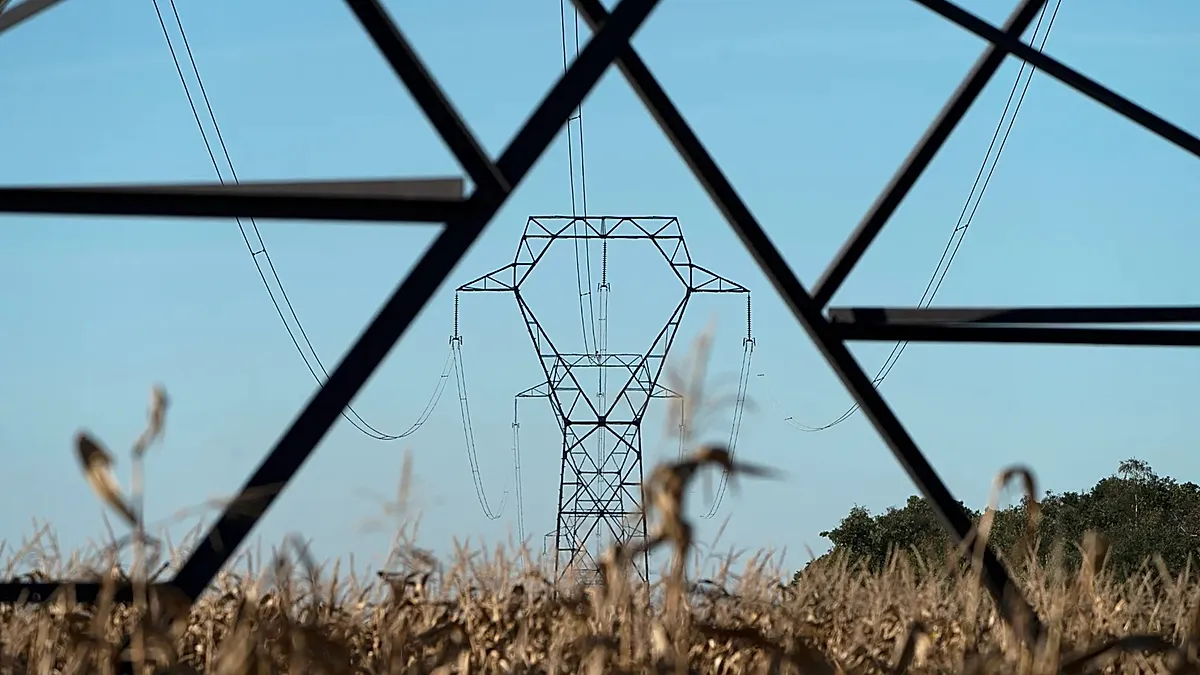
EU Energy Ministers Gain More Influence Over Grid Development After Negotiations with Brussels
EU energy ministers secure greater role – Following a contentious debate, European Union energy ministers have successfully pushed for a more prominent role in shaping the continent’s electricity network strategy. The compromise, reached in Luxembourg on 26 June 2026, marks a shift from the European Commission’s initial proposal that aimed to centralize control over power grid infrastructure. This development comes after months of political pressure from member states, particularly Sweden and France, who argued for greater national autonomy in grid planning.
A New Approach to Grid Investments
The revised plan emphasizes a decentralized model, allowing national governments to oversee key decisions regarding future grid expansions. Previously, the Commission had proposed a centralized system that would dictate investment priorities. Now, ministers have secured the ability to validate data and assumptions underpinning the central planning scenario, ensuring that local conditions and climate goals remain central to the decision-making process.
Two major revisions to the grid strategy were highlighted during the Luxembourg discussions. The first is a new framework for grid development, which grants member states more authority in allocating funds for infrastructure projects. The second is an accelerated permitting process for clean energy initiatives, a change that could reduce approval times from five to ten years to as little as three years in some cases. These adjustments aim to address the growing demand for efficient energy transmission while maintaining the EU’s commitment to sustainability.
Challenges in Energy Infrastructure
Europe’s ability to meet its climate targets hinges on modernizing its energy infrastructure. Despite being a leader in renewable energy production, the continent faces significant hurdles in transporting this power across regions. Aging transmission networks limit the flow of electricity from renewable sources in the North Sea to industrial hubs in central Europe, creating bottlenecks that hinder the efficiency of the energy system.
Key areas requiring upgrades include wind farms in the North Sea, solar parks in southern Europe, and hydrogen production facilities. These projects rely on interconnected networks that are currently fragmented, reducing their effectiveness. Energy ministers have stressed that without a more robust and integrated grid, the EU’s transition to clean power will stall, despite strong investment in generation capacity.
The Role of Congestion Income
A critical part of the agreement involves redirecting unused congestion income—funds generated when transmission lines become overloaded—to support new interconnectors between EU nations. Under the revised plan, energy transport operators like France’s RTE and Portugal’s REN will be required to allocate 10% of annual unspent congestion revenue to projects that ease cross-border energy flows. This percentage will increase to 25% by 2031, reflecting a growing emphasis on reducing bottlenecks in the grid.
Swedish Energy Minister Ebba Busch praised the outcome, stating,
“I’m happy to say that today the Grids Package seems to be possibly landing in a completely different area. This also includes a big win for Europe, since member states still have more power over where their congestion revenues land, but also power over what type of heavy investments are made in the grid system that will affect EU countries.”
The change ensures that national governments retain control over how these funds are spent, while also encouraging investment in critical infrastructure.
Broader Implications for the Energy Transition
The Grids Package, which has been hailed as one of the most important initiatives of the current EU mandate, now balances centralized planning with local flexibility. European Commissioner Dan Jørgensen emphasized this shift, saying,
“If we do not manage to significantly expand our grids faster than we are doing today and if we don’t manage to use them in a more rational and efficient way, that will be the biggest bottleneck for the transition that we need.”
The package includes measures to enhance grid resilience, such as sensitivity analyses that evaluate alternative energy mixes, demand patterns, and future trends. These assessments will test the robustness of planning assumptions and account for diverse pathways to achieve climate neutrality.
Additionally, the agreement mandates regular revisions to the central grid scenario, at least every two years. This ensures the plan adapts to evolving energy needs and technological advancements. Data collection efforts will be streamlined by aligning them with other reporting exercises, reducing administrative burdens on member states.
Support for Energy Security and Affordability
Michael Damianos, the Cypriot Minister for Energy representing the Council, noted that the compromise
“paves the way for Europe’s electrification towards achieving climate neutrality. By fast-tracking permitting and enhancing interconnections—including ending energy isolation for member states—we are securing affordable, clean energy and bolstering energy security for all European citizens.”
The emphasis on interconnectors aims to eliminate regional energy disparities, ensuring that power can flow seamlessly between countries. This is crucial for maintaining stable energy markets and preventing price spikes in areas with limited supply.
The revised Grids Package also incorporates the latest national climate strategies, requiring planners to consider regional and local circumstances when designing grid infrastructure. This approach acknowledges the diverse energy landscapes across the EU, from wind-rich northern regions to solar-heavy southern areas. By tailoring grid development to specific needs, the agreement seeks to maximize efficiency without compromising the bloc’s overarching climate goals.
Industry Reactions and Next Steps
Analysts have welcomed the compromise as a pragmatic solution to the EU’s grid challenges. Rheanna Johnston, a senior policy advisor at the climate think tank E3G, remarked,
“Europe can’t electrify without prioritising its grids. However, the more important test will be whether the final agreement on the Grids Package can translate into meaningful action.”
While the agreement is a step forward, its success depends on consistent implementation and coordination between member states.
With the Cypriot Presidency’s term ending on 1 July 2026, the new grid strategy will need to be finalized and approved by the end of the year. This timeline allows for further refinements and ensures that all stakeholders have a say in the process. The plan’s emphasis on interconnected networks underscores the EU’s recognition that a unified energy system is essential for achieving climate neutrality by 2050.
The agreement also addresses the issue of congestion, which has long plagued energy markets. By redirecting funds to interconnectors, the EU hopes to reduce reliance on single-country networks and create a more resilient, cross-border energy system. This approach not only supports the transition to clean energy but also enhances the bloc’s ability to respond to future challenges, such as rising demand or energy shortages.
As the final details of the Grids Package take shape, the focus will shift to implementation. Energy ministers have stressed the importance of maintaining momentum, ensuring that the revised framework leads to tangible improvements in grid infrastructure. The balance between centralized planning and national autonomy will be a key factor in determining the package’s long-term success.