Honduras to Buy Ukrainian Drones for Border Security and Drug Fight
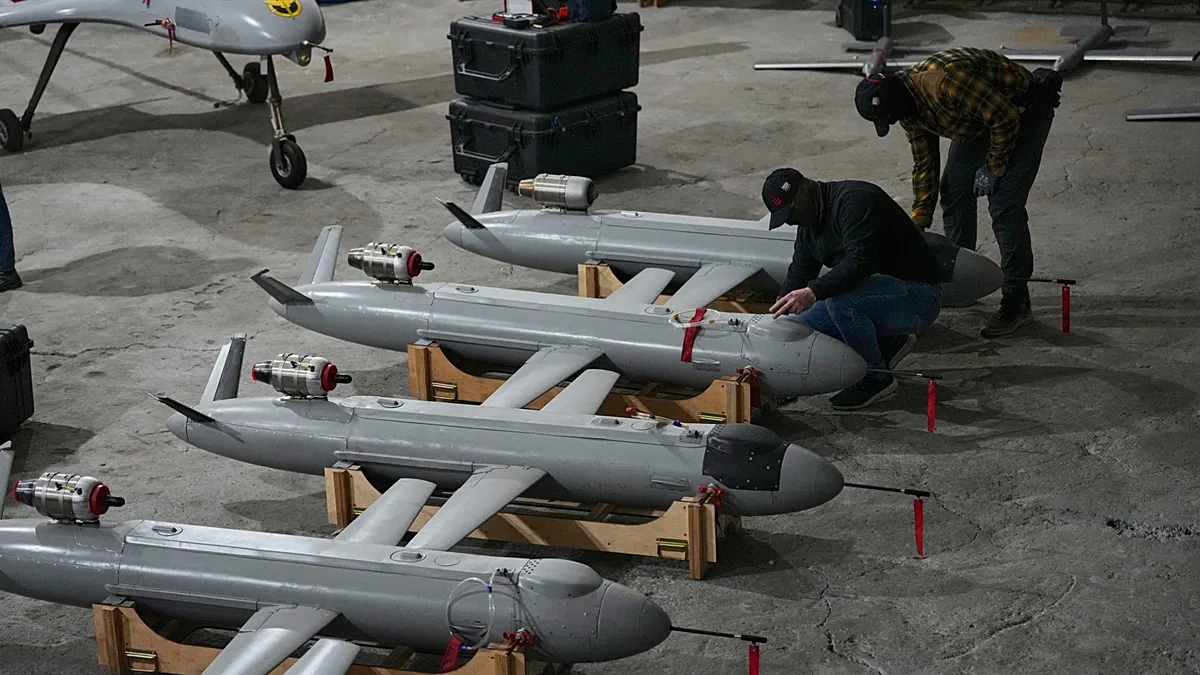
Honduras to buy Ukrainian drones to fight – Honduras is set to acquire drones from Ukraine as part of a strategy to enhance its counter-drug operations and secure its borders, according to President Nasry Asfura. The decision follows a recent meeting with Ukrainian President Volodymyr Zelenskyy in Kyiv, where discussions centered on military collaboration and the use of advanced technology in combating regional threats. Asfura highlighted the potential of Ukrainian drones to monitor distant regions and target criminal activities, describing it as a critical step in addressing the nation’s security concerns.
Ukrainian Partnership and Military Tech
During the meeting, Zelenskyy emphasized Ukraine’s growing reputation in drone warfare, showcasing the nation’s capabilities developed during its conflict with Russia. The Ukrainian leader noted that the country’s expertise in military technology has positioned it as a key player in global security. Asfura expressed interest in this partnership, stating that the drones could significantly improve Honduras’ ability to detect and disrupt organized crime networks. “This technology will allow us to defend our territory more effectively,” Asfura remarked, underscoring the strategic value of the collaboration.
The proposal aligns with Honduras’ broader efforts to strengthen security ties with international allies. The nation’s armed forces have been in talks with the United States about potential joint operations, while the drone purchase marks a new chapter in its cooperation with Eastern European countries. Zelenskyy highlighted that Ukraine’s experience in drone systems has made it a reliable partner, particularly as it seeks to expand its influence beyond Europe. “In the realm of security and military innovation, Ukraine is a formidable force,” he stated, offering Honduras a glimpse into the technology’s transformative potential.
Drug Trafficking and National Security
Honduras faces a persistent threat from narcotics trafficking networks that have entrenched themselves in the country’s infrastructure. The president described the issue as a “matter of national security,” noting the need for high-tech solutions to counter the growing influence of drug cartels. The nation’s role as a transit route for cocaine shipments from South America has long been a concern, but recent reports suggest it is shifting from a mere corridor to a hub for drug production. Authorities have discovered coca plantations and processing labs in remote areas, raising alarms about the local proliferation of illicit drug manufacturing.
Security forces have uncovered multiple operations linked to the drug trade, including clandestine labs and hidden plantations. These findings indicate that Honduras is increasingly becoming a key node in the narcotics supply chain, with criminal groups expanding their reach beyond smuggling. The president acknowledged the challenges, stating that the drones would provide a much-needed tool to track and intercept such activities. “We need to integrate modern surveillance into our security framework,” Asfura said, stressing the urgency of the situation.
Violence and Homicide Rates
Drug-related violence has become a defining feature of Honduras’ security landscape, contributing to its high homicide rate. The country records around 24 murders per 100,000 people, nearly four times the global average. This alarming statistic reflects the widespread impact of organized crime, including gangs like MS-13 and Barrio 18, which have deep ties to drug trafficking, extortion, and territorial disputes. Recent events have underscored the dangers, with 19 fatalities reported in a single community due to conflicts over drug routes and another five police officers killed near the Guatemalan border in an attack attributed to suspected narcotraffickers.
The president’s comments during a recent press conference in Panama City, where he addressed the Organization of American States, highlighted the gravity of the situation. “We are witnessing a new phase in the fight against crime,” he said, adding that the drones would be vital in targeting the activities of these groups. The collaboration with Ukraine is seen as a step toward modernizing Honduras’ security apparatus, which has struggled to contain the escalating violence.
Global Implications of Ukraine’s Drone Expertise
Ukraine’s emergence as a leader in drone technology has been fueled by its experience in the war with Russia, where unmanned systems have played a pivotal role in both defense and offense. The country’s forces have relied heavily on drones for reconnaissance, precision strikes, and long-range missions, driving significant advancements in the field. This expertise has attracted international attention, and Zelenskyy leveraged the meeting to showcase how Ukraine can contribute to global security initiatives.
Asfura’s visit to Kyiv was part of a larger diplomatic push to secure technological support from allies. The president noted that Ukraine’s military innovations could help Honduras address not only drug trafficking but also other security threats. “The technology has the potential to revolutionize our operations,” he said, emphasizing the versatility of drone systems. In addition to their military applications, the drones could also be deployed for civilian use, such as monitoring agricultural activities or disaster response efforts.
Strategic Shift in Honduras’ Security Approach
The proposed acquisition of Ukrainian drones reflects a strategic shift in Honduras’ approach to combating organized crime. While the country has traditionally relied on conventional methods, the integration of high-tech equipment is seen as a way to gain an advantage over increasingly sophisticated criminal networks. Asfura described the initiative as a “multifaceted effort” to modernize the nation’s security infrastructure, with the drones acting as a key component in this transformation.
Ukraine’s collaboration with Honduras is part of a wider trend of countries seeking partnerships with technologically advanced nations. The president highlighted that the drones could be used to patrol remote border regions, where traditional surveillance methods are less effective. “This will allow us to cover areas that are difficult to access,” he explained, pointing to the potential of drones to address the challenges posed by drug trafficking and gang activity. The partnership also signals Honduras’ willingness to look beyond its regional neighbors for security solutions, leveraging Ukraine’s global reputation in the field.
With the drug trade escalating and local production operations expanding, Honduras faces a complex security challenge that requires innovative strategies. The president acknowledged the importance of international support, stating that Ukraine’s contribution would be a “game-changer” in the fight against narcotics. The drones are expected to complement existing efforts, such as joint operations with the United States, to create a more comprehensive security network. “Our goal is to build a system that is both efficient and resilient,” Asfura said, setting the stage for a new era in Honduran security.
Conclusion and Future Prospects
The agreement between Honduras and Ukraine marks a significant milestone in their security partnership. Asfura emphasized that the drones would not only aid in monitoring remote areas but also serve as a tool for disrupting criminal activities at their source. The collaboration is expected to bolster Honduras’ ability to respond to the evolving drug trade, which has become a central issue in the country’s political and social landscape. “This is a partnership that will help us achieve our security objectives,” Zelenskyy stated, underscoring the mutual benefits of the alliance.
As the drone purchase moves forward, Honduras aims to integrate the technology into its border security protocols and anti-drug strategies. The nation’s security forces are anticipated to use the drones for real-time monitoring, targeted strikes, and data collection, enhancing their operational efficiency. The initiative also highlights the broader impact of Ukraine’s military innovations, which have not only reshaped its own defense capabilities but also opened new avenues for global security cooperation. “We are building a future where technology plays a central role in protecting our people,” Asfura concluded, setting the tone for a proactive approach to combating organized crime.