Andros Island: A Testament to Cycladic Heritage and Innovation
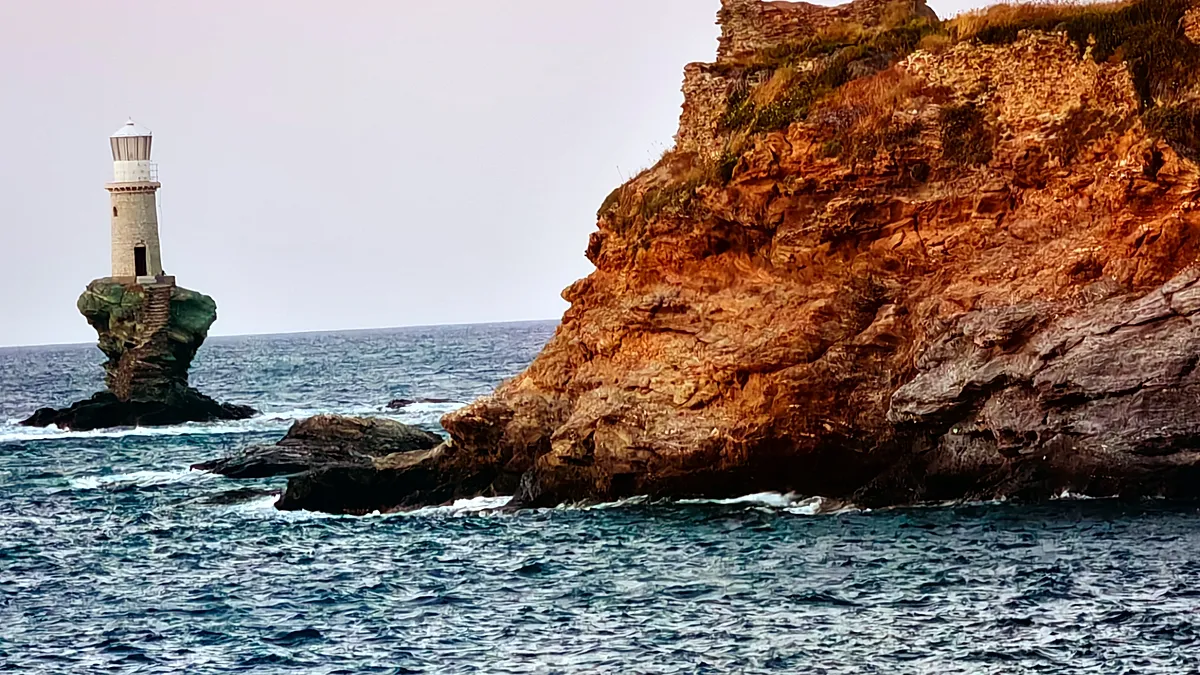
Andros AI heritage and tourism – Located in the northern reaches of the Cyclades, Andros is the second-largest island in Greece’s Aegean archipelago, following Naxos. Its unique identity is shaped by a rich maritime history, an architectural legacy that defines the island’s capital, Chora, and a natural environment that sets it apart from its Cycladic neighbors. While many Cycladic islands feature the classic whitewashed houses and blue-domed churches, Andros offers a distinct blend of lush greenery, cascading waterfalls, and tranquil springs, creating a landscape that feels both ancient and modern.
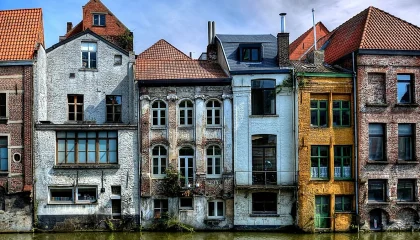
At the heart of Chora’s charm lies its neoclassical mansions, which have become a defining feature of the island’s architectural identity. These grand residences, constructed between the late 19th and early 20th centuries, reflect the prosperity of Andros during its peak maritime era. Built by shipowners and local elites, they showcase the island’s cultural evolution, blending Cycladic simplicity with the ornate styles of European architecture. Elements like pedimented facades, symmetrical layouts, and intricately carved doors highlight the influence of broader design trends, while the use of local stone and the renowned Andros marble underscores a commitment to regional craftsmanship.
The Legacy of Neoclassical Architecture in Chora
The neoclassical style arrived on Andros at the end of the 19th century, transforming it from a traditional Cycladic settlement into a burgeoning urban center. This architectural shift was not just aesthetic—it was a statement of ambition. As the island’s shipping industry flourished, its wealthy residents sought to emulate the grandeur of cities like Syros, Piraeus, and even those abroad. The result is a collection of stately homes that serve as both historical markers and symbols of social progress.
“Neoclassicism reached Andros as an architectural movement at the end of the 19th century and gradually transformed a Cycladic settlement into a new town. They adopted neoclassical models and built large houses, driven mainly by the shipowners, the shipping circles of Andros. They drew inspiration and examples from other cities, especially Syros, Piraeus and Athens, but also from cities abroad. So they wanted to bring back to Andros what they see in other places,” said Nikos Vasilopoulos, an architect and researcher.
Among the most influential figures in this transformation was the Embirikos family, whose contributions have left an enduring mark on the island’s heritage. Their vision for Chora as a fully developed town was realized through strategic investments in infrastructure and public spaces. The family’s decision to create a combined hospital and care home in the central square exemplifies their foresight, ensuring that the town’s growth was accompanied by essential services.
“The Embirikos family’s view that the settlement should become a fully fledged town is reflected above all in the main square. For that reason, they bought up plots, laid out the square, and built a combined hospital and care home. They believed such an institution had to exist. They imagined that the town would continue to grow and that the island’s maritime society would keep evolving. What is more, the hospital and care home do not have the look of an institution, because they have railings rather than a solid wall. So those inside can see those outside and those outside can see in, ensuring at least visual contact,” Vasilopoulos explained.
Today, the island’s historical and cultural assets are being enhanced by a cutting-edge technology initiative. Andros AI, a groundbreaking service launched by Ioannis Pitakidis and his company Hype², is revolutionizing the way visitors interact with the island’s offerings. This AI-powered tool provides instant access to information about everything from accommodations and beaches to transportation and local cuisine, offering a seamless experience for both tourists and residents.
“Andros AI is the first artificial-intelligence guide and assistant created for a destination in Greece. In essence, it is a chat service where anyone can ask anything about the island, whether they are already here or planning a visit. Users can obtain reliable, authoritative information: where to stay, what to visit, and anything they might need during their time at the destination,” Pitakidis told Euronews.
The service addresses a common challenge for travelers—navigating the complexities of a destination without prior knowledge. By integrating AI into the tourism landscape, Andros is setting a precedent that could influence other Greek islands in the coming years. Pitakidis emphasized the growing necessity of such technology, noting that Greece, as a tourism-dependent nation, must embrace digital innovation to stay competitive.
For would-be visitors, Andros AI eliminates the need for multiple phone calls, emails, or time-consuming online searches. It acts as a 24/7 information hub, making it easier for tourists to plan their visits and for locals to share insights about the island’s culture and attractions. The initiative also highlights a broader trend in the travel industry, where technology is being used to personalize the visitor experience and streamline access to knowledge.
As the tourism sector evolves, Andros is demonstrating how a blend of historical preservation and modern innovation can create a dynamic visitor experience. The island’s neoclassical mansions stand as a testament to its past, while Andros AI represents its forward-thinking approach to the present and future. This duality ensures that Andros remains a destination that honors its traditions while embracing the possibilities of the digital age.
With its unique natural environment and rich heritage, Andros has the potential to serve as a model for other Cycladic islands. The integration of AI into tourism services not only enhances visitor engagement but also fosters a deeper connection to the island’s history. As the technology continues to develop, it could become a key component in Greece’s strategy to maintain its position as a premier travel destination in an increasingly digital world.