Would You Pay €50 to Visit Venice? New Mayor Pushes for Entry Fee Hike
Would you pay 50 to visit – With overtourism continuing to strain its historic infrastructure, Venice’s new mayor, Simone Venturini, has proposed a bold change to the city’s entry fee system. The measure, which would increase the daily visitor tax to €50 on specific days, is set to address the growing concerns about overcrowding and environmental degradation. This plan follows the initial implementation of the fee in 2024, which aimed to manage tourist flow but has yet to achieve its intended effect. According to recent data, the current pricing model—€5 for advance bookings and €10 for last-minute entries—has not significantly deterred visitors, prompting the mayor to seek higher charges to incentivize better distribution of foot traffic.
Rationale Behind the Proposed Increase
Venturini’s decision is rooted in the city’s struggle to balance tourism with preservation. Italian officials have reported that the existing fee structure fails to create a meaningful financial disincentive for visitors. For instance, fewer than half of the tourists who accessed the city through the entry fee system opted for the discounted €5 rate, indicating that the gap between the two tiers is not enough to sway behavior. This trend is particularly evident during peak seasons, when Venice’s narrow streets and iconic landmarks become overwhelmed by crowds.
“The problem is the numbers,” said Michele Zuin, Venice’s budget councillor. “There’s not much difference between €5 and €10. If it were more significant, the effect would be different.”
Zuin’s comments underscore the challenge of designing a fee system that effectively channels tourists away from busy days. The mayor’s plan involves introducing a sliding scale, with €50 as the highest rate for the most congested periods. This approach is intended to make visiting during peak times more costly, encouraging visitors to spread out their trips or choose off-peak alternatives. The proposal also seeks to align the fee with international standards, as noted by industry representatives who argue that the amount is reasonable compared to entry costs at other global attractions.
Industry Support and Potential Benefits
The hospitality sector has largely endorsed the mayor’s initiative, citing its potential to reduce pressure on the city’s resources. Daniele Minotto, director of Venice’s Association of Hoteliers (AVA), highlighted the proposal’s flexibility. “Venturini’s plan is a welcome step,” he remarked. “A sliding rate with a higher cap could impact traffic effectively, especially on the most problematic days.” Minotto emphasized that the fee system would allow businesses to manage influxes more strategically, potentially easing the burden on local services during high-demand periods.
Proponents of the policy argue that the additional revenue could be reinvested into Venice’s public infrastructure and community programs. Zuin noted that funds generated from the fee could offset costs incurred by residents and businesses due to tourism. “If this money increases, we will invest it to offset the costs that citizens and businesses incur for tourism,” he added. This financial strategy is part of a broader effort to make the city more sustainable and livable for its permanent population.
Implementation and Exemptions
Starting this year, the fee will apply for 60 days across April, May, June, and July, with enforcement during peak hours from 8:30 am to 4:00 pm. A dedicated platform will allow visitors to reserve their day in Venice, offering the lower €5 rate for those who book in advance. Tourists without reservations within four days of their visit will pay €10, while those entering on designated high-traffic days will face the €50 rate. The system includes exemptions for residents, Venetian-born visitors, students, workers, and individuals with confirmed hotel or lodging bookings.
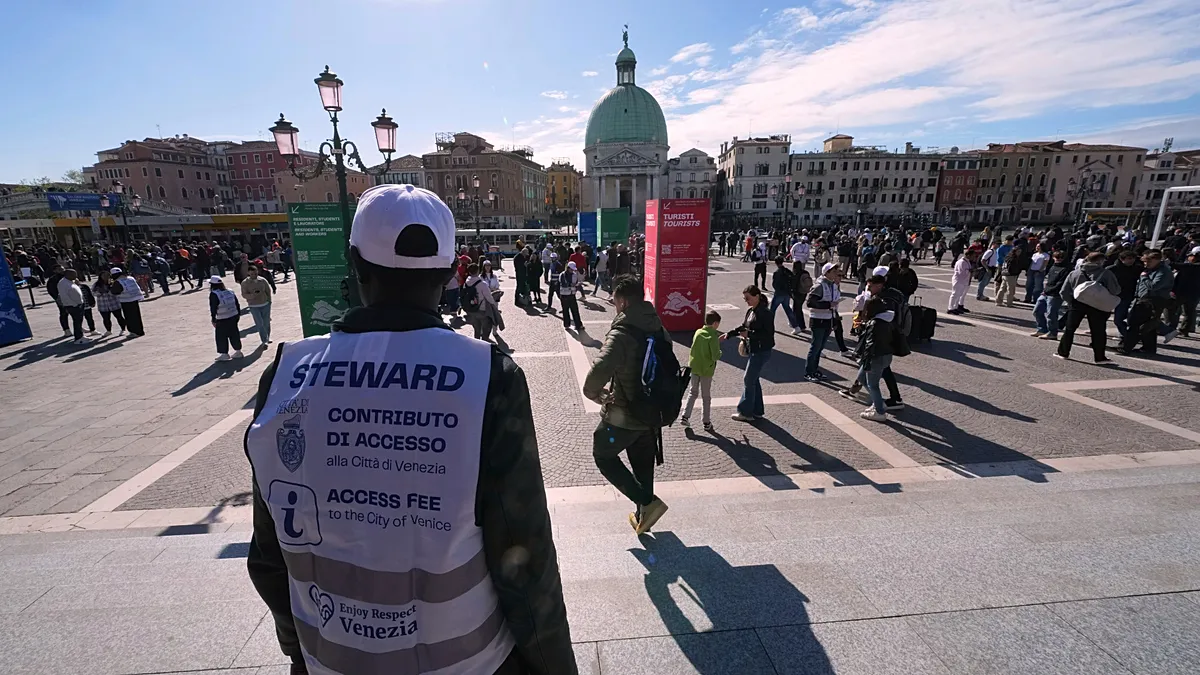
Enforcement of the fee relies on a network of staff stationed at key locations, such as the Santa Lucia railway station, who check QR codes to verify compliance. Visitors who fail to pay or register for an exemption risk fines ranging from €50 to €300. While these penalties may deter some, the mayor and local officials believe the system will ultimately promote responsible tourism and reduce the strain on Venice’s iconic landmarks.
Testing and Future Plans
Current measures are part of a three-year pilot program, with the final year of testing set to conclude after the summer season. During this period, officials will assess the fee’s impact and determine its long-term viability. Zuin confirmed that the city will evaluate whether to extend the tax to the entire year or introduce additional dates, such as during the Venice Carnival, which typically sees a surge in visitors. This adaptability ensures the policy can evolve based on real-world data and public feedback.
Supporters of the fee argue that it is a necessary step to protect Venice’s cultural heritage and improve quality of life for locals. However, critics may raise concerns about accessibility and the potential for a decline in tourist numbers. As the city prepares to implement the €50 rate, the debate over whether the measure will succeed in curbing overtourism continues. The outcome of this policy could set a precedent for other cities facing similar challenges, offering a model for balancing tourism with sustainability.