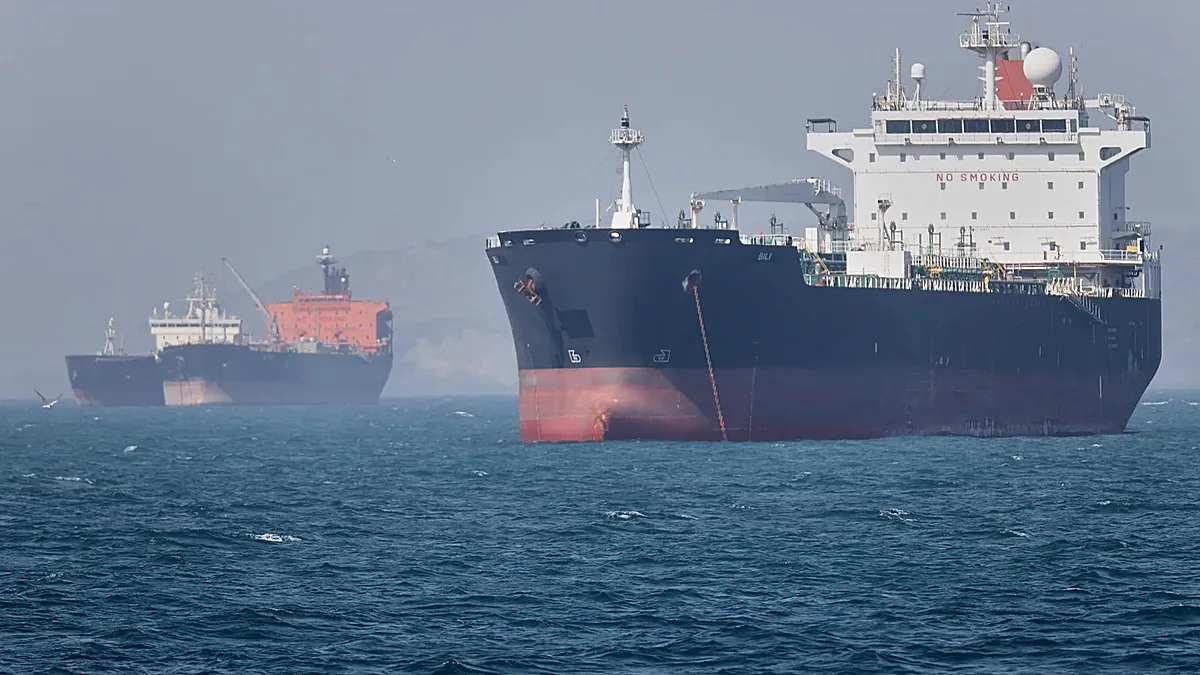
Iranian Oil Tankers Pass US Blockade Ahead of Peace Deal Signing Ceremony
Iranian oil tankers pass US blockade – As international tensions between Iran and the United States continue to shift, a significant development has occurred in the Strait of Hormuz. According to TankerTrackers, two supertankers operated by the National Iranian Tanker Company (NITC)—Diona and Hero2—successfully transited through the US naval blockade on Wednesday, marking the first such movement in two months. This event underscores the growing optimism surrounding an impending peace agreement between the two nations, which is set to be finalized at a ceremony in Switzerland on June 19. The passage of these tankers is seen as a symbolic step toward easing the economic pressure on Iran and restoring stability to a critical shipping route.
Key Details of the Movement
The Diona and Hero2, each carrying approximately 1.9 million barrels of crude oil, navigated through the blockade unimpeded, according to maritime tracking data. This milestone comes as both sides prepare to finalize a deal that aims to resolve long-standing conflicts, including those in Lebanon. Additionally, the NITC’s Stream ship was reported to be approaching the blockade from the Pakistan exclusive economic zone (EEZ), where it had been waiting for the past seven weeks to enter Iranian waters. The ship’s proximity to the Strait of Hormuz suggests that further movements may follow, potentially signaling a broader easing of restrictions.
Origins of the Naval Blockade
The US blockade, which began on April 13, was implemented amid heightened tensions between the two countries. President Donald Trump’s administration had previously announced the measure, targeting all vessels entering or leaving Iranian ports and coastal areas, including those in the Persian Gulf and the Gulf of Oman. The strategy was designed to curb Iran’s influence and disrupt its oil exports, which have been a key source of revenue for the nation. However, the recent passage of the tankers indicates that the blockade may be transitioning from a confrontational stance to a more diplomatic approach, especially as the peace deal gains momentum.
Peace Deal Announcement and Political Context
The breakthrough in the Strait of Hormuz follows an agreement announced by mediator Pakistan and US President Donald Trump on Sunday. In a social media post, Pakistani Prime Minister Shehbaz Sharif stated that the two sides had reached a consensus, declaring “the immediate and permanent termination of military operations on all fronts, including in Lebanon.” This declaration, however, has been met with cautious optimism, as Lebanon’s National News Agency reported fresh Israeli strikes on the southern region of the country on Wednesday. Such actions raise questions about the timeline for the deal’s implementation and whether the conflict will truly end as promised.
The peace deal’s terms, though not yet fully disclosed, are expected to center on key issues. Trump emphasized that the agreement’s success depends on the reopening of the Strait of Hormuz and Iran’s commitment to not acquiring a nuclear weapon. This focus aligns with the broader goal of ensuring that Iran’s nuclear program remains under international scrutiny while allowing its economy to recover. The US has long argued that Iran’s nuclear ambitions pose a threat to global security, making the Strait of Hormuz a strategic priority in its diplomatic efforts.
International Reactions and Domestic Calls for Transparency
While the deal has been celebrated as a potential turning point, some critics are urging for greater clarity on its terms. Senate Democratic Leader Chuck Schumer has called for the agreement to be published in full, arguing that the American public deserves a transparent understanding of the deal. “Trump must hold a classified meeting on his so-called ‘understanding’ with Iran,” Schumer wrote on X. “He must brief all of Congress. He must inform the American people and make the ‘understanding’ public,” he added, stressing the importance of accountability in the negotiations.
Trump, in a post on Truth Social, confirmed the deal’s completion, declaring: “The Deal with the Islamic Republic of Iran is now complete.” The president also reiterated his support for the unrestricted flow of oil through the Strait of Hormuz, stating, “I hereby fully authorize the toll free opening of the Strait of Hormuz, and, simultaneously herewith, authorize the immediate removal of the United States Naval blockade. Ships of the World, start your engines. Let the oil flow!” This statement highlights the significance of the agreement for global energy markets, as the Strait of Hormuz remains a vital artery for oil shipments to Asia and Europe.
Strategic Implications and Future Outlook
The movement of Iranian tankers through the blockade is not only a practical victory but also a symbolic one, signaling the easing of hostilities. Analysts note that this could lead to increased trade and investment in Iran, potentially stabilizing its economy. However, the success of the peace deal will depend on its ability to address Iran’s nuclear program and reduce tensions in the region. The involvement of Pakistan as a mediator adds a layer of complexity, as the country has long played a role in balancing regional powers.
Despite the progress, challenges remain. The recent Israeli strikes in Lebanon, reported by the National News Agency, have introduced uncertainty about the deal’s timeline. While the agreement aims to end military operations, the continued attacks suggest that conflicts in the region may not be fully resolved overnight. This raises questions about the extent of Iran’s involvement in the Lebanese civil war and whether the peace deal will include provisions to address this issue.
Historical Significance of the Strait of Hormuz
The Strait of Hormuz has historically been a flashpoint for geopolitical disputes, with its strategic location making it a crucial chokepoint for global oil supply. Over 20% of the world’s oil passes through this narrow waterway, and any disruption can have widespread economic consequences. The US blockade, which restricted Iranian vessels from transiting the strait, was a calculated move to exert pressure on Tehran. However, the recent passage of the tankers suggests that the US may be willing to ease these restrictions in exchange for Iran’s cooperation in the peace process.
For Iran, the ability to transport oil unimpeded is a critical factor in its economic resilience. The country has relied heavily on oil exports to fund its military operations and domestic programs. The resumption of these shipments could provide a much-needed boost to Iran’s economy, allowing it to invest in infrastructure and social services. At the same time, the US seeks to ensure that Iran’s nuclear capabilities are contained, balancing its desire for diplomatic engagement with its security concerns.
As the peace deal moves closer to formalization, the international community will be watching closely. The agreement’s success will hinge on its ability to satisfy both Iran’s economic needs and the US’s security objectives. With the signing ceremony set for June 19 in Switzerland, the stage is set for a historic moment that could reshape the dynamics of US-Iran relations. Whether this deal leads to lasting peace or merely a temporary reprieve remains to be seen, but the movement of Iranian tankers through the Strait of Hormuz is a clear sign that progress is being made.
Broader Impact on Regional Stability
The peace deal’s implications extend beyond the US and Iran, influencing regional actors such as Lebanon, Israel, and Saudi Arabia. Lebanon’s National News Agency highlighted the recent Israeli strikes, indicating that while the agreement aims to end military operations, the situation on the ground may still require time to stabilize. For Israel, the continued attacks could signal a willingness to engage in prolonged conflict, even as it participates in the peace process. Meanwhile, Saudi Arabia and other Gulf states may see the deal as an opportunity to reduce their dependence on US military support and forge independent alliances.
Ultimately, the passage of Iranian oil tankers through the US blockade marks a pivotal moment in the ongoing negotiations. It demonstrates that both sides are willing to compromise and prioritize economic interests over military confrontation. As the peace deal nears its official signing, the focus will shift from symbolic gestures to concrete commitments. The world will be waiting to see how this agreement shapes the future of Iran-US relations and the broader Middle East landscape.