Israel: Tel Aviv Pride Marchers Reaffirm LGBTQ+ Equality Amid Political Strain and Conflict
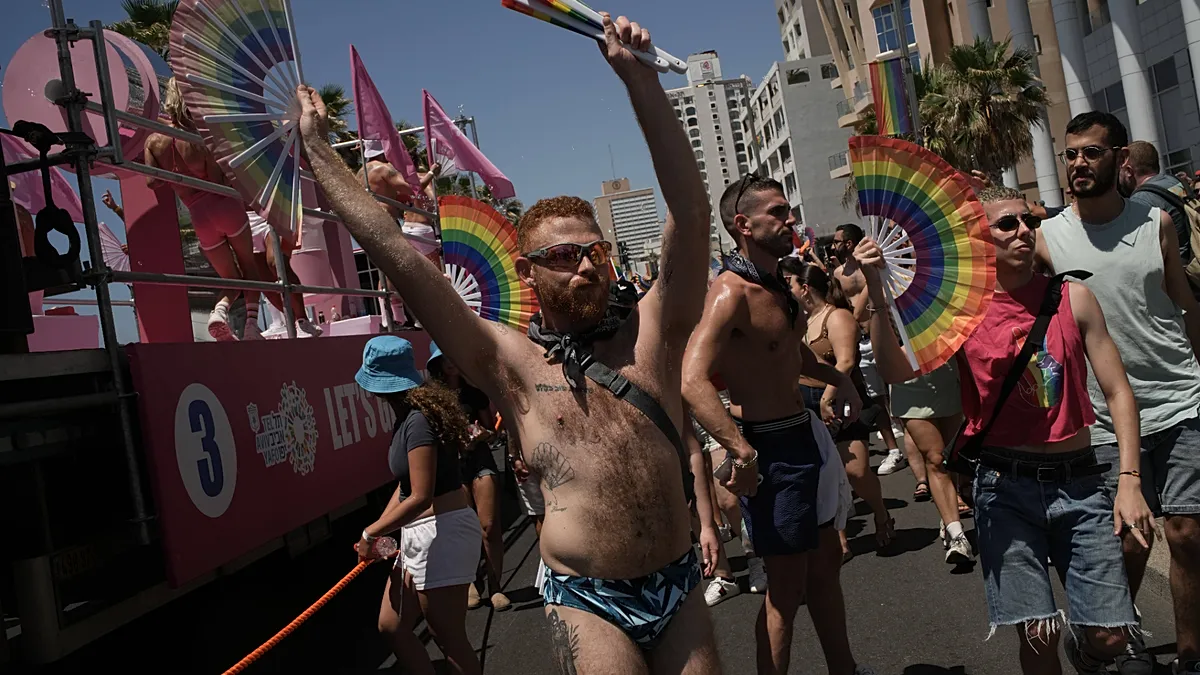
Israel – On June 12, thousands of participants gathered in Tel Aviv for the annual Pride parade, turning the streets into a vibrant stage for advocating LGBTQ+ rights. Despite the backdrop of ongoing political strife and military conflict, the event served as a powerful testament to the community’s enduring spirit. Marchers showcased colorful banners, chanted slogans, and embraced one another in a celebration of diversity that underscored their determination to advance equality in a nation grappling with complex challenges.
Security Measures Reflect Growing Concerns
The organizers reported that over 1,000 law enforcement officers and volunteers were deployed to ensure the safety of attendees. This significant security presence highlighted the increased vigilance needed to protect participants from potential threats, a precaution that has become more pressing in recent years. While the parade proceeded without major disruptions, the presence of police underscored the delicate balance between celebration and caution in a society where tensions often spill into public spaces.
A Symbol of Resilience in Times of Uncertainty
For many in attendance, the parade was more than just a festive occasion—it was a declaration of resilience. The event came amid several years of heightened political conflict, including regional wars and a surge in discriminatory rhetoric targeting LGBTQ+ individuals. Attendees described the march as a way to channel their optimism and unity, even as they acknowledged the emotional weight of the challenges they face. “This parade is our way of saying we won’t let fear define us,” said one participant, highlighting the event’s role as both a cultural milestone and a political statement.
Progress and Persistent Barriers
Activists noted that Israel has made notable strides in LGBTQ+ visibility, with members of the community actively participating in public life. From serving in the military to holding seats in parliament, LGBTQ+ individuals have found spaces to assert their identities and rights. However, these achievements have not erased the deep-seated challenges that remain. Recent years have seen the rise of conservative factions advocating for stricter laws against same-sex relationships and gender expression, creating a divide in societal attitudes.
Opposition from Religious Groups Intensifies
Religious parties, which hold considerable influence in Israeli politics, have consistently opposed measures promoting LGBTQ+ equality. Their resistance is often framed as a defense of traditional values, but critics argue it reflects broader societal anxieties. “We are not just fighting for legal recognition—we are defending our right to exist without judgment,” said a protester, emphasizing the emotional stakes of the debate. This opposition has led to the passage of laws banning “conversion therapy” and recognizing same-sex marriages, yet activists insist these victories are partial and require sustained effort.
Global Context and Local Impact
The Tel Aviv Pride march occurs against a global backdrop of shifting attitudes toward LGBTQ+ rights. While Israel has been a regional leader in advancing equality, its progress is often overshadowed by international tensions. The parade’s participants, however, remain focused on their immediate goals. They highlighted the importance of visibility, stating that public acknowledgment is essential to challenging stereotypes. “When people see us in the streets, they understand we are here to stay,” said another attendee, underscoring the event’s role in shaping public perception.
Unity as a Tool for Change
As the parade unfolded, the energy of the crowd was palpable. Dancers, speakers, and performers created a dynamic atmosphere that transcended the usual boundaries of political discourse. The event’s organizers emphasized that unity among diverse groups was key to overcoming obstacles. “We are not just celebrating love—we are building a movement,” one leader explained, pointing to the coalition of supporters that spans generations and backgrounds. This collective effort has been instrumental in pushing for legislative reforms and cultural shifts, even as the country remains divided on the issue.
Amid the celebrations, some participants shared personal stories of discrimination. One individual recounted facing homophobic slurs during a recent protest, while another spoke of the pressure to conform to religious expectations in their daily lives. These accounts painted a nuanced picture of the community’s struggles, illustrating that while legal progress has been made, social acceptance is still a work in progress. The marchers, therefore, view their event as both a moment of joy and a call to action, demanding that Israel live up to its progressive ideals.
As the parade drew to a close, the message of the participants echoed through the streets. They called for continued advocacy, urging the government to address lingering inequalities and support LGBTQ+ families. The march’s timing, coinciding with a period of national stress, added a layer of significance to its purpose. “In times of war, we need to remember the strength of our voices,” said a young activist, whose words captured the essence of the event. The parade not only celebrated identity but also reinforced the idea that equality is a fight worth winning, even in the face of adversity.
“This is our way of standing up, even when the world feels heavy on our shoulders.”
The Tel Aviv Pride parade has become a defining moment in Israel’s LGBTQ+ movement, blending celebration with activism. Its participants, though diverse in background, share a common goal: to ensure that all individuals, regardless of sexual orientation or gender identity, can live freely and openly. The event’s success is a testament to the community’s ability to adapt and thrive, even in challenging times. As the parade concluded, the chants of “Equality for all!” lingered in the air, a reminder of the ongoing journey toward acceptance and inclusion.
While the march highlighted progress, it also exposed the fractures within Israeli society. The contrast between the vibrant parade and the political tensions it symbolizes is stark. Yet, this duality is what makes the event so compelling. It serves as a microcosm of the broader struggle for equality, where joy and sorrow coexist. For the LGBTQ+ community in Israel, the parade is not only a source of pride but also a catalyst for change, proving that even in the shadow of conflict, hope can be a powerful force.
The global attention on Israel’s Pride parade also reflects the country’s unique position in the Middle East. As a leader in LGBTQ+ rights, Israel often finds itself at the center of international discourse. The 2026 event, however, was particularly poignant given the recent wars and the rise of conservative movements. Despite these challenges, the parade’s organizers remain optimistic, citing the growing support for equality as a sign of progress. “Every year, we see more people joining us,” said a volunteer, highlighting the increasing momentum behind the cause.
As the streets of Tel Aviv emptied and the sun set over the city, the marchers’ determination was clear. Their efforts to promote acceptance and freedom are not just local—they are part of a global movement. The event’s ability to draw crowds in the face of uncertainty is a reflection of its importance. It is a reminder that, even during times of war, the human spirit can find ways to shine. The 2026 Pride parade will be remembered as a powerful statement of resilience and hope, setting the stage for future victories in the fight for equality.