Revolution in AI-Driven Commerce: ChatGPT Now Capable of Autonomous Purchases via Visa Integration
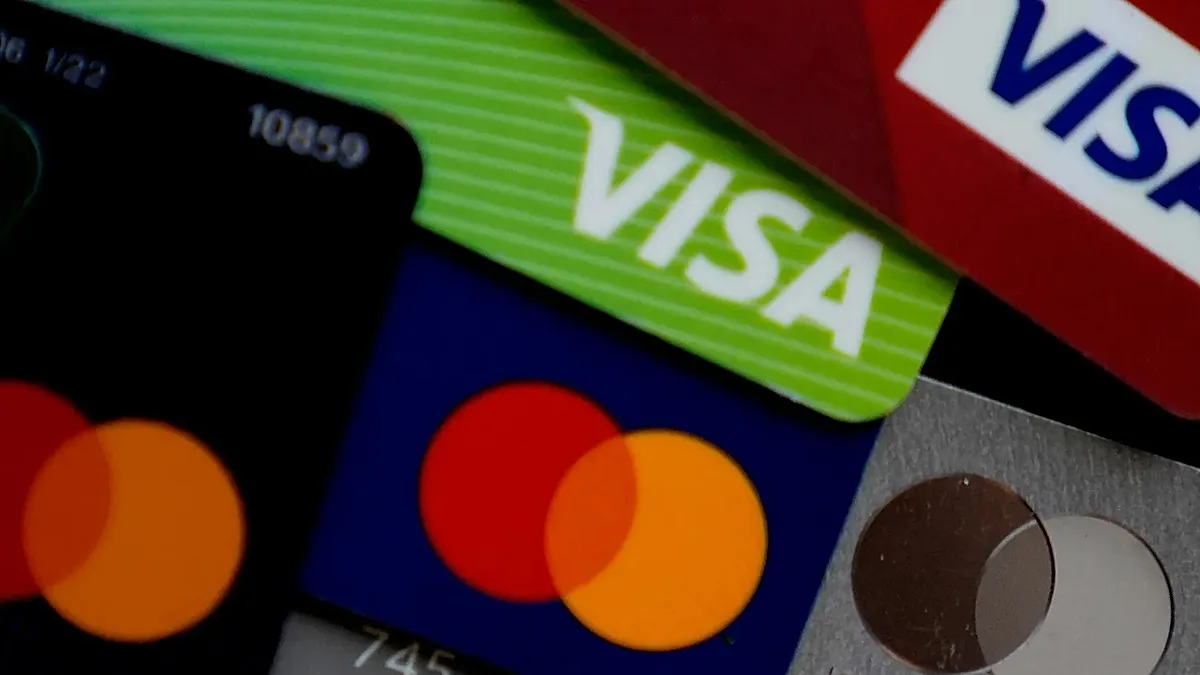
ChatGPT can now buy things for you – In a groundbreaking development for artificial intelligence and digital transactions, Visa, the global payments leader, has integrated its financial infrastructure into the ChatGPT platform. This partnership empowers the AI chatbot to execute purchases independently on behalf of users, marking a pivotal step in the evolution of AI-powered commerce. By embedding Visa’s payment network, ChatGPT can now function as a virtual shopping agent, navigating online markets and completing transactions with the same efficiency as human shoppers.
The New Era of AI Shopping Agents
Visa’s collaboration with OpenAI represents a significant leap in the capabilities of AI tools. Previously, AI-driven shopping was limited to recommendations within a narrow scope of merchants or specific retailers. Now, users can leverage ChatGPT to shop at any business that accepts Visa cards, expanding the potential for automation in everyday purchasing. OpenAI has developed the technology that allows agents to interact with customers, evaluate product options, and initiate purchases seamlessly through the chatbot interface.
Jack Forestell, Visa’s chief product and strategy officer, emphasized the importance of trust and security in this new phase of AI integration. “As AI agents become active participants in the economy, Visa’s focus is to ensure transactions are trusted, secure, and seamless,” he stated. During a keynote at a recent event in San Francisco, Forestell outlined scenarios where AI could act on behalf of users, such as identifying wireless headphones priced under $150 (€136) and purchasing them without direct human intervention. This level of autonomy is expected to streamline consumer experiences while reducing the friction typically associated with online shopping.
How the Partnership Works
Users will connect their Visa cards to ChatGPT to enable the chatbot’s purchasing functionality. This integration includes several safeguards to protect consumers from fraud and ensure responsible spending. For instance, users can set spending limits, require manual approval for certain transactions, and restrict purchases to a predefined list of trusted merchants. These guardrails aim to balance convenience with security, giving users control over the extent of AI’s involvement in their financial decisions.
Visa will manage the payment authorization and fraud monitoring processes, leveraging its established infrastructure to handle disputes in the same manner as traditional transactions. Forestell explained that the company would verify whether the consumer intended to make the purchase and confirm that the merchant processed the transaction correctly. This approach ensures accountability and transparency, critical components for building consumer confidence in AI-driven commerce.
The partnership also introduces a new layer of complexity for merchants. Unlike previous AI shopping tools, which were confined to specific retailers, this system allows ChatGPT to interact with a broad range of businesses. However, OpenAI’s earlier attempt at AI shopping—known as Instant Checkout—highlighted challenges in scaling the technology. Launched late last year, the feature was criticized for errors and a 4% transaction fee that deterred widespread adoption. It was eventually retired in March, prompting a more refined strategy with Visa’s involvement.
Trust and the Path Forward
Forestell acknowledged that achieving full consumer trust in AI agents will take time. While he believes most people are already comfortable with the shopping features of ChatGPT, autonomous purchasing requires a deeper level of confidence. “Making the leap to autonomous purchasing just requires a whole different level of trust,” he said. This trust will be reinforced through gradual implementation, with early transactions likely still needing human verification. Agents will notify users before finalizing a purchase, ensuring transparency and allowing for user input or correction.
The integration also reflects broader trends in AI’s role in commerce. As businesses increasingly rely on automation to optimize operations, the ability of AI to handle transactions independently could redefine customer service and purchasing efficiency. Visa’s move positions it as a key player in this emerging market, offering a scalable solution that combines its global reach with OpenAI’s cutting-edge technology. This collaboration could set a precedent for other payment providers to explore similar partnerships with AI platforms.
Competitors in the AI Shopping Race
Visa is not the only company exploring AI’s potential in commerce. Mastercard, its primary rival, has also been developing AI-driven shopping features, though on a smaller scale. Unlike Visa’s consumer-focused approach, Mastercard’s initiatives target businesses, enabling AI agents to procure services such as advertising on a company’s behalf. This distinction highlights the different strategies being employed by payment giants to harness AI: one prioritizing individual users, the other focusing on enterprise applications.
The success of this partnership could influence how consumers interact with AI in the future. With ChatGPT now capable of autonomously completing purchases, users may begin to see AI as a reliable extension of their own buying power. This shift could lead to new use cases, such as automated grocery shopping, subscription management, or even personalized budgeting based on real-time spending data. However, the transition will depend on overcoming skepticism and ensuring the technology meets user expectations for accuracy and reliability.
As the integration of AI into payment systems accelerates, questions about data privacy and algorithmic decision-making will grow. Visa and OpenAI have not yet disclosed the financial terms of the deal, including any fees merchants or customers might incur. This lack of transparency could spark debate about the cost of AI-driven commerce and its impact on both consumers and businesses. Nonetheless, the partnership represents a bold step toward a future where AI agents play a central role in economic activities.
Implications for the Future of Commerce
The ability of ChatGPT to shop independently has the potential to transform the retail landscape. By removing the need for manual input during transactions, AI agents could reduce the time and effort required for purchasing decisions. This efficiency might be particularly valuable in industries where speed and accuracy are critical, such as e-commerce, travel booking, or financial services. However, the technology also raises concerns about the autonomy of AI in making consumer choices, especially when it comes to high-value or complex purchases.
Visa’s involvement in this partnership adds credibility to the AI shopping model, as the company is a trusted authority in payment processing. The integration of Visa’s fraud detection algorithms into ChatGPT’s transaction system further enhances the security of AI-driven purchases, mitigating risks associated with automated transactions. This combination of AI and established payment infrastructure could serve as a blueprint for other platforms seeking to enter the AI commerce space.
As AI continues to evolve, its integration with payment systems will likely become more widespread. The collaboration between Visa and OpenAI demonstrates the growing interest in leveraging AI to automate not just decision-making, but actual economic actions. While challenges remain, the partnership signals a new era where AI agents are no longer just assistants but active participants in the marketplace. This shift could lead to innovative applications that reshape how consumers and businesses engage with digital services in the coming years.
Looking ahead, the success of this partnership may depend on how well it balances automation with user control. Forestell noted that the initial phase will focus on creating a secure and transparent environment for AI agents to operate. As the technology matures, it could pave the way for more advanced features, such as dynamic pricing negotiations or real-time inventory management. The integration of AI into daily transactions is not just a technological advancement—it’s a cultural shift that could redefine the relationship between consumers and digital tools.
Conclusion
The partnership between Visa and OpenAI marks a significant milestone in the journey toward AI-driven commerce. By enabling ChatGPT to complete purchases autonomously, the collaboration opens new possibilities for efficiency and convenience in the digital marketplace. While challenges such as fraud prevention and consumer trust remain, the integration of Visa’s payment network provides a robust foundation for this innovation. As AI continues to evolve, its role in commerce will likely expand, with Visa’s involvement setting a standard for future developments in this space.