
Iran says it will ‘irreversibly destroy’ Middle East infrastructure if US attacks energy sites
Iran says it will ‘irreversibly destroy’ Middle East infrastructure if US attacks energy sites
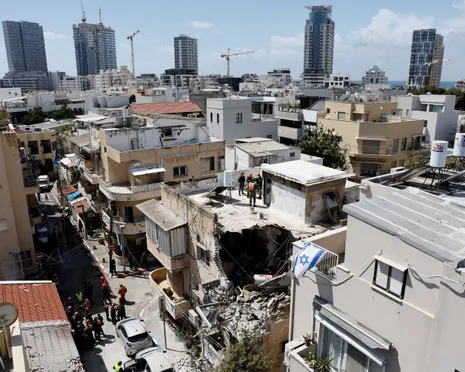
Hours after Donald Trump warned of a potential US strike on Iran’s power plants, Tehran declared it would ‘irreversibly destroy’ key infrastructure across the Middle East in response. The threat came amid reports of Iranian missiles hitting two southern Israeli cities overnight, leaving dozens injured and damaging residential buildings. These strikes heightened concerns of a broader regional conflict, now entering its fourth week.
Iran’s parliament speaker, Mohammad Bagher Ghalibaf, stated that vital infrastructure—including energy and oil facilities—would become ‘legitimate targets’ if the US proceeded with attacks on Iranian installations. The military command headquarters, Khatam al-Anbiya, emphasized that the Strait of Hormuz would be ‘completely closed’ until Iranian power plants were restored, adding that the US bases and companies in the region with American ties would also face retaliation.
“Threats and terror are only strengthening Iranian unity,” said President Masoud Pezeshkian, while the “illusion of erasing Iran from the map” reflected “desperation against the will of a history-making nation.”
On Saturday, the US president issued a 48-hour deadline for Iran to open the Strait of Hormuz, or face a “hit and obliterate” assault on its power plants. Ali Mousavi, Iran’s representative to the International Maritime Organisation, noted that the strait remained open to all vessels except those tied to “Iran’s enemies,” with coordinated security agreements in place.
The attacks have effectively disrupted the narrow waterway, which transports roughly 20% of global oil and liquefied natural gas. This has intensified the world’s worst oil crisis since the 1970s, driving European gas prices up by 35% last week. Only about 5% of pre-war shipping volumes from Iran-friendly nations like China, India, and Pakistan continue to pass through the strait.
Since February 28, over 2,000 people have been killed in the conflict between the US and Israel, with Tehran retaliating against Israeli and Gulf targets. Hezbollah, an Iranian-backed group, joined the fighting after launching attacks on Israel. Air raid alarms blared across Israel early Sunday, following strikes in Arad and Dimona that injured hundreds, including two young children.
Israeli military officials confirmed that their defenses failed to intercept the missiles targeting the Negev Desert nuclear center. The facility, believed to house the Middle East’s sole nuclear arsenal, is critical to Iran’s strategic posture. Israel has not officially acknowledged possessing nuclear weapons, maintaining that the site serves research purposes.
Prime Minister Benjamin Netanyahu vowed to strike Tehran in retaliation, targeting “senior commanders of Iran’s Revolutionary Guards” and their installations. The strikes marked the first time Iranian missiles had breached Israel’s air defense systems in the area. Meanwhile, a separate cluster bomb attack in Tel Aviv injured 15 additional individuals, further straining the nation’s defense capabilities.
Iran attributed its attacks to a US strike on its Natanz nuclear enrichment facility, though Israel denied responsibility. The Pentagon in Washington remained silent on the matter, leaving tensions simmering as both sides prepare for escalation.