
Why Use a VPN on Mobile? Key Benefits and Essentials
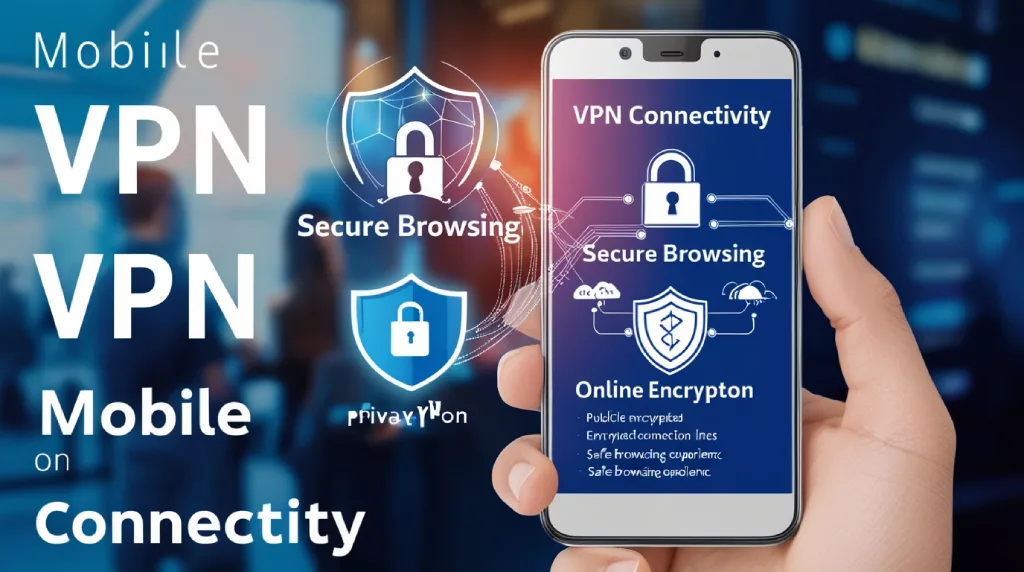
Why use a VPN on mobile? Discover the benefits of mobile VPNs, from secure browsing to bypassing geo-restrictions, and protect your data today!
In today’s fast-paced, hyper-connected world, we rely heavily on mobile devices for everything—whether it’s online shopping, streaming, banking, or keeping in touch with friends.
But with all this convenience comes a significant risk: mobile security vulnerabilities. Have you ever wondered, “Why use a VPN on mobile?”
It’s an essential question, especially in an age where online threats are lurking around every corner. Let’s dive in and see how using a VPN can protect your mobile experience, enhance your privacy, and offer freedom online like never before.
Why Use a VPN on Mobile?
1. Enhanced Privacy and Security
With the rising cases of cybercrime, privacy and security have become top concerns for mobile users. A VPN (Virtual Private Network) on mobile encrypts your internet connection, making it challenging for hackers to access your data.
What does a VPN do for privacy and security?
When you connect to the internet through a VPN, your data gets encrypted, creating a secure tunnel between your device and the VPN server. This means your activities, location, and personal information remain hidden from prying eyes. Here’s why this matters:
- Protection from Public Wi-Fi Risks: Public Wi-Fi networks, commonly found in cafes, airports, and hotels, are notorious for being easy targets for hackers. Using a VPN on mobile in these environments adds a crucial layer of security.
- Data Encryption: VPNs ensure that sensitive information like your passwords, banking details, and browsing habits remain private, even if someone tries to intercept them.
This added layer of security is essential, especially for mobile users who might be accessing sensitive accounts on the go.
2. Bypass Geographical Restrictions
Another strong reason to use a VPN on mobile is the ability to bypass geo-restrictions, allowing access to content from anywhere in the world.
Why are geo-restrictions a problem?
Certain websites and streaming platforms limit their content based on geographical location, meaning a show available in one country might not be accessible in another.
A VPN allows you to change your IP address, effectively “relocating” your device to access content as if you were in that region. Here’s how it can be helpful:
- Streaming Services: Popular streaming services like Netflix, Hulu, and Disney+ have region-specific libraries. With a VPN on your mobile device, you can unlock these libraries and enjoy content unavailable in your home country.
- Avoiding Censorship: In some countries, certain websites and social media platforms are blocked. A VPN bypasses these restrictions, offering unrestricted internet access.
In essence, using a VPN on mobile can open up a world of content previously out of reach.
3. Anonymity and Protection from Tracking
Privacy isn’t just about keeping data safe—it’s also about preventing your online activities from being tracked. Many websites and apps track your behavior to personalize ads or gather data.
How does a VPN help with tracking?
A VPN on mobile changes your IP address, masking your true location. This means tracking attempts by advertisers and other third parties are significantly less effective. Here’s why it’s a game-changer:
- IP Masking: Your mobile’s IP address is hidden, making it difficult for websites to pinpoint your location.
- Prevent Targeted Ads: Without tracking, companies find it harder to bombard you with personalized ads, enhancing your browsing experience.
With a VPN, your browsing becomes more anonymous, giving you the freedom to explore the web without feeling watched.
4. Secure Online Transactions
Mobile banking and online shopping have become increasingly popular, but they also present an increased risk for cyber threats.
Why is a VPN critical for mobile transactions?
A VPN protects sensitive transactions by encrypting data, making it virtually impossible for hackers to access your banking information. Here are a few crucial points:
- Payment Security: When you make a transaction over a VPN, your financial data remains secure, ensuring safe transactions even on public Wi-Fi.
- Fraud Protection: With data encryption, VPNs minimize the chance of unauthorized access to your banking details.
This added security means you can confidently manage finances or shop online, knowing that your transactions are private.
5. Bypass ISP Throttling
Internet Service Providers (ISPs) sometimes throttle bandwidth, especially when streaming or gaming, slowing down your internet connection.
How does a VPN combat ISP throttling?
When you connect through a VPN, your ISP cannot see what you’re doing online, making it less likely to throttle your connection. Here’s how it works:
- Uninterrupted Streaming: By using a VPN, you can enjoy streaming without buffering or sudden drops in quality.
- Consistent Speed: VPNs hide your online activities, preventing ISPs from selectively slowing down your connection based on your activity.
With a VPN on mobile, you can experience a seamless browsing experience, free from the frustration of ISP throttling.
6. Improved Work Flexibility
In today’s world, mobile devices play a crucial role in remote work, but they also expose users to cybersecurity risks.
Why is VPN essential for remote work on mobile?
A VPN on mobile creates a secure and private environment for work, which is particularly valuable when dealing with sensitive company information. Here’s why:
- Access to Work Servers: A VPN can provide access to secure company resources or intranets, allowing employees to work from anywhere.
- Enhanced Security for Sensitive Data: Mobile devices are prone to data leaks, but a VPN secures data transmission, safeguarding corporate information.
With a VPN, mobile users can enjoy greater flexibility while ensuring that company data remains protected.
Key Benefits and Final Thoughts
A VPN on mobile isn’t just a luxury; it’s a necessity in today’s digital landscape. Whether it’s about securing your personal information, bypassing geographical restrictions, or enhancing your work flexibility, the benefits are clear.
Mobile devices have become an essential part of our lives, and using a VPN ensures they remain a safe part of our digital journey.
Want to explore more on the best VPNs for mobile security? Visit UsageVPN.com for detailed guidance on choosing the right VPN for your needs. Secure your mobile browsing today and stay protected with VPN technology!
Frequently Asked Questions (FAQ)
Q1: What exactly is a VPN, and how does it work?
A VPN (Virtual Private Network) creates an encrypted tunnel for your data, hiding your online activity and IP address. This keeps your online activities private and secure.
Q2: Why should I use a VPN on public Wi-Fi?
Public Wi-Fi is a hotspot for hackers. A VPN encrypts your data, making it difficult for cybercriminals to intercept your information.
Q3: Can I use a VPN to access restricted content on mobile?
Yes, a VPN can bypass geographical restrictions, giving you access to content that may be restricted in your region.
Q4: Does a VPN slow down my internet on mobile?
Some VPNs may cause slight speed reductions due to encryption. However, with a reliable VPN, this impact is often minimal.
Q5: How do I choose the best VPN for mobile?
Consider factors like security protocols, ease of use, and server locations. For expert recommendations, visit UsageVPN.com.