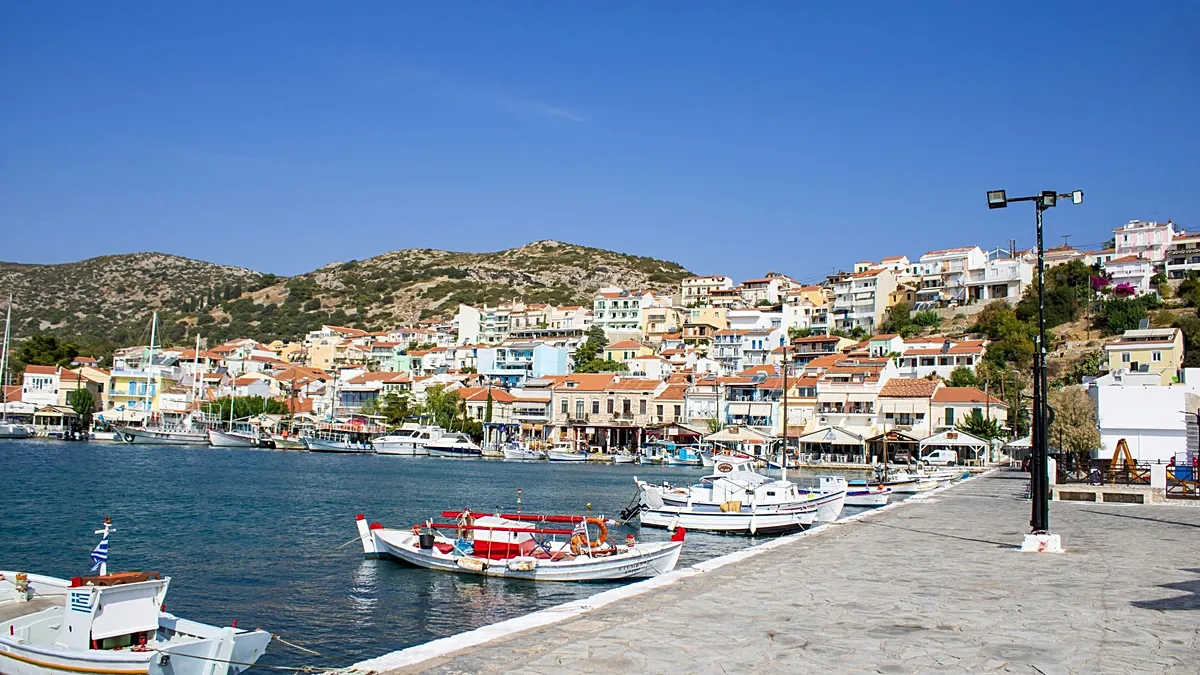
Mediterranean travel trends: How ‘blue mind experiences’ and local culture keep people coming back
Mediterranean travel trends – For decades, the Mediterranean has held a prominent position as a premier European tourist destination. However, recent shifts in traveler behavior reveal a transformation in how visitors engage with the region. A new trends report by MGallery Hotel Collection and travel forecasting agency Globetrender highlights that while the allure of sun-drenched shores and coastal charm remains, the focus is now on more profound, culturally rich experiences. This evolving preference is reshaping the landscape of Mediterranean tourism, pushing destinations to adapt to meet the demands of a more discerning audience.
The Rise of Meaningful Engagement
Travelers today are no longer satisfied with superficial encounters. Instead, they seek deeper connections to the places they visit. The MGallery Trends 2026: Mediterranean Insights report underscores that cultural immersion is becoming a cornerstone of holiday planning. This trend is evident in the growing interest in local traditions, artisanal practices, and authentic community interactions. While the sea continues to be a primary draw, its role has expanded beyond recreation to include therapeutic and reflective experiences, encapsulated by the concept of “blue mind.”
“The Mediterranean is at a tipping point,” said Jenny Southan, founder and CEO of Globetrender. “Demand is reaching record levels, but at the same time travelers are becoming more selective about how they experience it.”
Southan’s observation reflects a broader shift in traveler priorities. The report notes that the Mediterranean, encompassing 22 coastal states and territories, is now seen as a mosaic of distinct cultures rather than a monolithic destination. This diversity is driving visitors to explore lesser-known locales, from hidden coves to neighborhoods steeped in history. The result is a demand for authenticity that challenges the traditional model of mass tourism.
From Sun and Sand to Soul and Story
Once dominated by fly-and-flop holidays—where tourists prioritized beach proximity and warm weather over cultural depth—Mediterranean travel is now evolving. The report identifies a decline in such vacation styles, as travelers increasingly aim to create lasting memories through meaningful activities. These include participating in local crafts, such as Samos’ shipbuilding heritage, or immersing in folk traditions like Albania’s iso-polyphony, a unique form of traditional singing. Such experiences are not just about sightseeing; they’re about building a narrative that resonates beyond the surface.
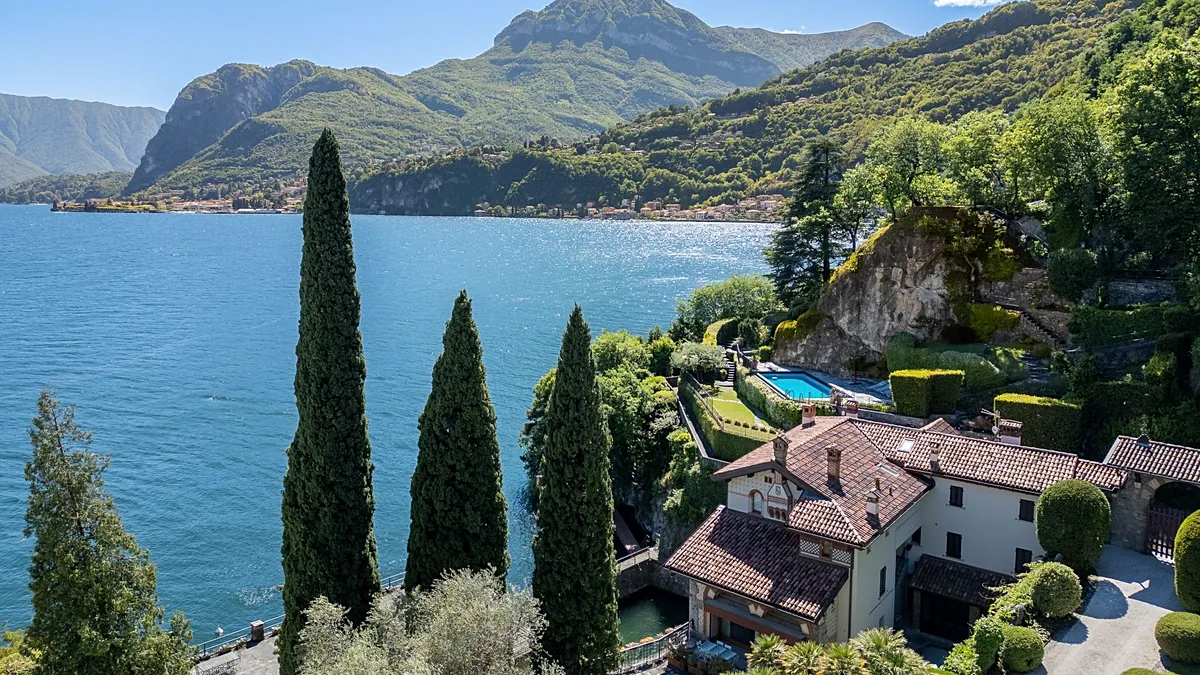
The term “blue mind,” popularized by marine biologist Wallace J Nichols, has gained traction in this context. Nichols describes it as a mildly meditative state that emerges when people are near water, a phenomenon that aligns perfectly with the Mediterranean’s natural appeal. Globetrender suggests that travelers are now embedding these “blue mind experiences” into their itineraries, whether through private boat charters, water-centric hotel designs, or stays in coastal villages where the rhythm of life is dictated by the tides.
According to the report, this trend is fueled by rising stress levels and the prevalence of burnout in modern life. As individuals seek respite from fast-paced routines, the Mediterranean’s serene coastal environments offer a natural antidote. This has led to a surge in demand for destinations that balance relaxation with cultural exploration, ensuring that tourists leave with more than just a tan—they return with a sense of belonging and purpose.
The Comeback Effect
One of the most striking findings of the report is the phenomenon dubbed “The Comeback Effect.” This refers to the increasing number of repeat visitors who return to the same country, city, or even hotel year after year. While familiarity might once have bred complacency, it is now fostering curiosity. Return travelers are actively seeking out places that locals favor, often bypassing the usual tourist hotspots in favor of authentic, off-the-beaten-track locations.
“The Mediterranean has long inspired repeat visitation, but familiarity is now creating curiosity rather than complacency,” Globetrender notes. “Return travelers are seeking nuance: the quieter season, the hidden beach, the local producer, the neighborhood restaurant that exists outside the tourism narrative.”
These returning visitors are not just looking for comfort—they’re searching for stories. The report highlights that their focus has shifted from generic attractions to specific cultural touchpoints. For instance, rather than simply visiting a famous landmark, they might engage with a family-run olive oil mill in Italy or attend a traditional music festival in Greece. This deeper relationship with a place is driving the need for personalized, immersive experiences that cater to individual interests and preferences.
Moreover, the report emphasizes that the Mediterranean’s appeal lies in its ability to adapt. While mass tourism has long dominated the region, there is now a clear push for more sustainable and community-driven approaches. Hotels and local businesses are redefining their offerings to align with these values, from eco-friendly accommodations to cultural tours led by residents rather than professional guides. This shift is not only about enhancing the visitor experience but also about ensuring the region’s long-term viability as a destination.
Reimagining Value in Tourism
As demand for “blue mind experiences” and cultural authenticity grows, the tourism industry is being forced to reimagine how it delivers value. The report suggests that traditional models—relying on overcrowded beaches and generic packages—are no longer sufficient. Instead, destinations are now competing on the basis of unique offerings and the ability to create memorable, personalized interactions. This is particularly evident in the Mediterranean, where the interplay between natural beauty and human heritage is becoming a key selling point.
“There is a growing preference for places that feel slower, more local and less exposed to mass tourism,” the report states. “This is forcing the industry to rethink how it delivers value in such a well-established region.” The challenge lies in maintaining the Mediterranean’s accessibility while preserving its cultural integrity. This requires collaboration between local communities, businesses, and travelers to ensure that the region remains both vibrant and authentic.
In essence, the Mediterranean is no longer just a destination for sun and sand—it’s a place of connection, reflection, and discovery. As the report concludes, the region’s enduring popularity is rooted in its capacity to evolve. By embracing the “blue mind” concept and prioritizing cultural depth, Mediterranean tourism is proving that it can remain relevant in an ever-changing world of travel. The result is a more thoughtful, immersive experience that keeps visitors coming back—not just for the views, but for the stories they uncover along the way.