Barcelona to Nearly Triple Tourist Tax on Cruise Ship Passengers to €30 Daily
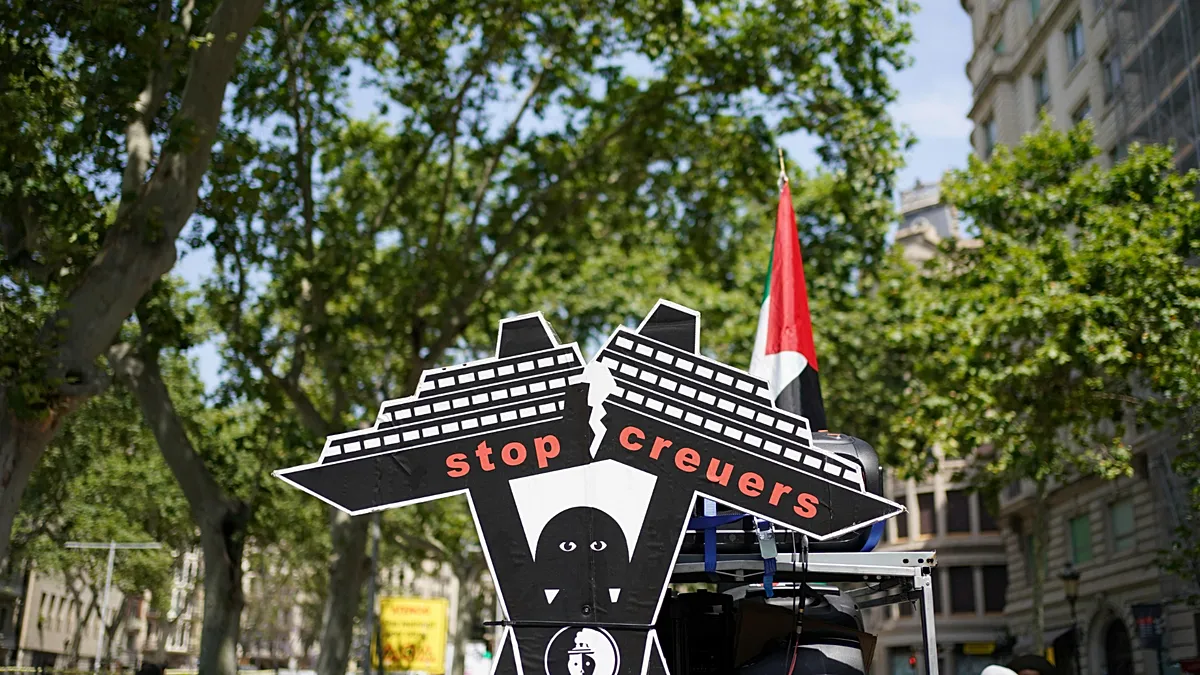
Barcelona proposes to nearly triple tourist – Barcelona has announced plans to nearly triple the tourist tax for cruise ship visitors, raising the fee to €30 per day. The proposed change aims to address the city’s struggle with overtourism, as officials seek to reduce the strain on local resources and infrastructure caused by short-term, high-frequency arrivals. While the current rate stands at €11 per day, the new policy would apply specifically to cruise ships docking for under 12 hours, a group seen as contributing less to the local economy compared to longer-staying tourists. The plan has garnered support from the Barcelona City Council, though it must still be approved by the Catalonia Parliament to take effect.
Tax Adjustments and Economic Objectives
Under the existing system, cruise passengers pay €5 as a municipal surcharge and €6 as a regional tax, totaling €11 daily. The proposed increase would target those making brief port calls, effectively charging them more for their shorter stays. Supporters argue that this adjustment could encourage cruise visitors to spend additional time in the city, thereby boosting local revenue through extended tourism activities. However, critics warn that the higher rate might deter visitors altogether, especially if it makes Barcelona less competitive than neighboring ports with lower fees.
The decision reflects Barcelona’s broader strategy to manage tourist flows and promote sustainable tourism. City officials believe that the tax increase will create a more equitable financial framework, ensuring that visitors staying longer contribute proportionally more to the local economy. This approach aligns with efforts to address overcrowding, environmental degradation, and rising living costs, which have become pressing issues in recent years. The Catalonia Parliament will weigh the proposal’s potential benefits against its impact on the cruise industry and the city’s reputation as a tourist destination.
Industry Reactions and Potential Consequences
Industry stakeholders have expressed concerns over the tax adjustment, fearing it could undermine Barcelona’s position as a major Mediterranean cruise hub. The World Travel & Tourism Council (WTTC) highlighted that the policy might reduce visitor spending, particularly if tourists opt to spend less or shift their itineraries to alternative ports. “Barcelona proposes to nearly triple the tax for short-stay cruise passengers, but this could lead to unintended consequences,” said Gloria Guevara, WTTC’s president, in a recent statement. She emphasized that sudden increases often result in decreased tourism activity, threatening the city’s economic stability.
“Data from other destinations shows that higher fees for short-term visitors can discourage tourism rather than encourage it. Barcelona’s cruise industry generates over €11.9 million annually in tax revenue, and this proposal risks reducing that flow if travelers avoid the city,” Guevara added. The council’s plan also leaves room for exceptions, such as itineraries that begin or end in Barcelona, which are exempt from the full €30 rate. This distinction is intended to reward visitors who contribute more to the local economy, while still addressing the challenges posed by the shortest stays.
Proponents of the tax increase argue that it will help balance the financial burden across different tourist groups. Long-term visitors, who often stay for weeks and spend more on accommodation, dining, and transportation, would pay less per day compared to cruise passengers. The policy is seen as a way to incentivize deeper engagement with the city and alleviate pressure on popular landmarks and public services. However, opponents warn that the tax could also affect Barcelona’s appeal to international travelers, potentially reducing the number of cruise arrivals and harming small businesses that rely on tourism.
Broader Implications for Barcelona’s Tourism Strategy
Barcelona’s move to nearly triple the tourist tax for cruise passengers underscores the city’s commitment to rethinking its approach to tourism. With over 4 million cruise arrivals recorded in 2024 alone, the impact of this policy could be substantial. The tax adjustment is part of a larger conversation about how to distribute the economic benefits of tourism more evenly, ensuring that both short-term and long-term visitors play their part in sustaining the city’s infrastructure and environment.
As Barcelona City Council deliberates on the proposal, the debate highlights the tension between economic growth and sustainability. While the tax increase may help fund environmental initiatives and public services, its long-term success will depend on how effectively it encourages tourists to spend more time in the city. The Catalonia Parliament’s approval will be critical, and the final decision will shape the future of Barcelona’s tourism landscape in the coming years.