
Iran says it will ‘facilitate and expedite’ humanitarian aid through Strait of Hormuz
Iran says it will ‘facilitate and expedite’ humanitarian aid through Strait of Hormuz
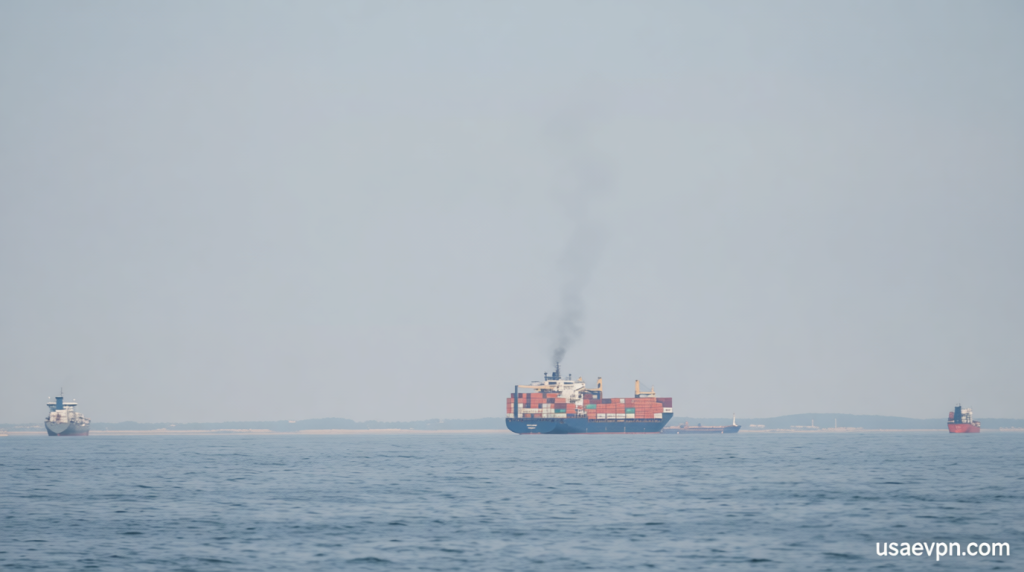
Iran’s UN ambassador in Geneva announced that the country has consented to streamline humanitarian aid shipments via the Strait of Hormuz. Ali Bahreini confirmed that Iran has permitted the UN to permit humanitarian aid and agricultural goods to transit the vital waterway, coinciding with the day Israeli air strikes targeted its nuclear installations. The aid plan marks the first major progress at the shipping chokepoint since the conflict began a month prior.
While global markets and governments have primarily focused on disrupted oil and natural gas supplies, the limitation on fertilizer availability now poses a significant threat to agricultural output and food stability worldwide. “This measure reflects Iran’s ongoing dedication to supporting humanitarian initiatives and ensuring essential aid reaches those in need without delay,” Bahreini stated in a post on X.
“Attack contradicts POTUS extended deadline for diplomacy,” Iranian Foreign Minister Abbas Araghchi wrote on X, referring to U.S. President Donald Trump. “Iran will exact HEAVY price for Israeli crimes.”
Iran’s Atomic Energy Organisation reported that the Shahid Khondab Heavy Water Complex in Arak and the Ardakan yellowcake production plant in Yazd Province were the targets of Israeli strikes. The attacks caused no casualties and did not pose a contamination risk, according to IRNA. The Arak plant has remained non-operational since its destruction in June by Israeli forces.
Raw materials are processed for uranium enrichment at the Yazd facility, the Israeli military noted, calling the strike a major setback for Iran’s nuclear program. The Islamic Revolutionary Guard Corps warned of impending retaliation, with Seyed Majid Moosavi, commander of the IRGC’s Aerospace Force, posting on X that employees of U.S.- and Israel-linked companies should vacate their workplaces. “This time, the equation will no longer be ‘an eye for an eye,’ just wait,” he declared.
Following the strikes, the IAEA reiterated its plea for military restraint to prevent nuclear accidents, noting “no increase in off-site radiation levels” at the affected sites. Meanwhile, diplomats from nations such as Pakistan and Turkey sought to arrange a direct dialogue between U.S. and Iranian representatives. The G7 foreign ministers, convening in France, urged an immediate cessation of attacks on civilian populations and infrastructure.
At the same time, U.S. naval vessels are nearing the region, transporting approximately 2,500 Marines and at least 1,000 paratroopers from the 82nd Airborne. These troops, trained to secure strategic positions in hostile zones, have been deployed to the Middle East. However, Secretary of State Marco Rubio stated during the G7 meeting that most U.S. objectives in Iran are “ahead of schedule” and that “we can achieve them without any ground troops.”