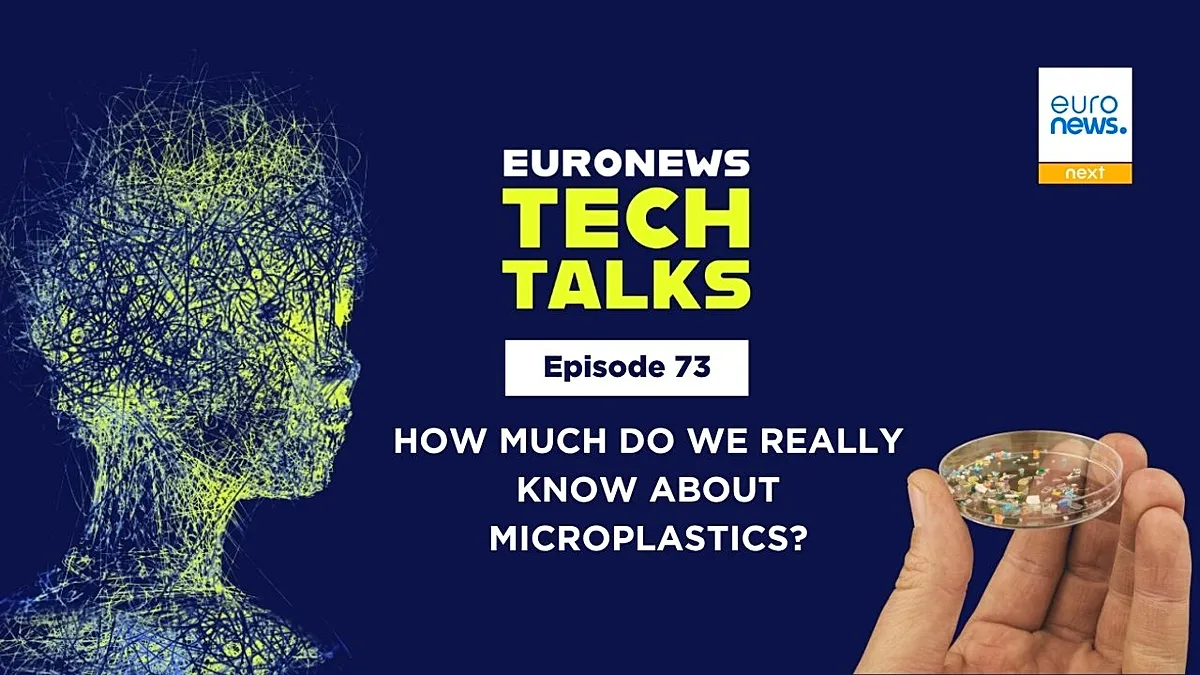
Understanding Microplastics: What’s Truly Known?
How much do we really know – When the term ‘microplastics’ first entered public discourse in 2004, it was coined by Richard Thompson, a marine biology professor at the University of Plymouth. Since then, these minuscule plastic fragments have become a focal point for researchers exploring their effects on ecosystems and human health. Yet, despite growing awareness, questions remain about the extent of our knowledge regarding microplastics.
What Are Microplastics?
Microplastics refer to tiny plastic particles measuring less than 5 millimeters in diameter. They can be classified into two primary categories: primary microplastics, which are deliberately manufactured for use in consumer goods, and secondary microplastics, resulting from the degradation of larger plastic items. However, this classification doesn’t capture all possibilities. Francesco Regoli, vice rector for research at the Polytechnic University of Marche, highlighted a third group—textile microfibers—that has emerged as a critical concern.
“Another typology of microplastics is given by microfibers of textile origin,” Regoli noted. “This third group is particularly important, as the fast fashion industry, combined with the very limited textile recycling processes, represents a major source of microplastics pollution.”
Textile microfibers, often released during washing synthetic fabrics, are now recognized as a significant contributor to pollution. Their prevalence underscores the need for a broader understanding of microplastics beyond their traditional categorization.
Environmental Impacts: From Oceans to Soil
Microplastics have permeated both marine and terrestrial environments, creating a pervasive challenge for scientists and policymakers alike. In aquatic ecosystems, their impact varies depending on their size, shape, and chemical composition. For instance, smaller particles can cause physical damage to organisms or trigger immune responses in marine life. Francesco Regoli elaborated on this:
“In the smaller organisms, they [microplastics] can induce physical damage, mechanical blockage. They can stimulate immune responses. They can have genotoxic effects,” Regoli explained.
On land, microplastics have also shown disruptive potential. Studies suggest they alter soil properties, affecting fertility, plant health, and agricultural output. Yet, the full extent of their long-term consequences remains unclear, even as their presence becomes increasingly undeniable.
Human Health: Uncertainty and Concerns
While microplastics are now a global issue, their effects on human health are still under investigation. Heather Leslie, an independent scientist from Amsterdam, emphasized that exposure is widespread. “They’re right in the very room you’re probably sitting in right now. And if you’re outside, they’re also in the outdoor air. They’re on our roads, coming off of car tyres, coming off from our clothes, they come off of plastic packaging,” Leslie told Euronews Next.
Despite this ubiquity, the link between microplastics and specific health outcomes is not yet established. “We don’t have the weight of evidence yet to determine that such and such microplastics’ exposure will result in this sort of health outcome,” Leslie continued. This uncertainty raises questions about how to prioritize mitigation efforts.
Microplastics may also carry toxic chemicals, such as per- and polyfluoroalkyl substances (PFAS), which have been classified as carcinogens or potential carcinogens. These chemicals can leach into the environment, amplifying the risks associated with microplastic exposure. However, the exact mechanisms of harm are still being studied, particularly in relation to human biology.
Mitigating Microplastics Exposure: Strategies and Solutions
Addressing microplastics requires a multifaceted approach, according to Leslie. She outlined two key strategies: collective action and individual efforts. Collective action involves advocacy and policy influence, aiming to reduce plastic production and improve waste management systems. Individual efforts, meanwhile, focus on daily habits, such as replacing plastic items with sustainable alternatives.
Leslie challenged the notion that reducing plastic use is costly. “You save money every time you don’t buy an expensive coffee on the go in a plastic cup,” she argued. This perspective encourages people to view plastic reduction as both an environmental and economic benefit. However, the scale of change needed is substantial, especially given the persistent growth of plastic production.
Regoli echoed this sentiment, stressing that even if production were cut dramatically, the oceans are already saturated with microplastics. “We must be optimistic because what we have learned in 10 years of intensive research is huge,” he said, highlighting the progress made in understanding the issue. Yet, he also acknowledged the urgency of ongoing efforts to curb further contamination.
A Persistent Challenge: The Road Ahead
As microplastics continue to infiltrate every layer of the environment, their long-term consequences remain a subject of debate. While some scientists caution against overestimating their threat, others emphasize their role in disrupting ecosystems and human health. The interplay between these perspectives underscores the complexity of the issue.
For example, primary microplastics—used in products like cosmetics and cleaning agents—offer a clear entry point for intervention. However, secondary microplastics, arising from the breakdown of larger plastics, complicate matters further. The textile microfibers, in particular, exemplify how modern consumption patterns contribute to pollution in unforeseen ways.
Leslie and Regoli agree that a combination of technological innovation, policy reform, and consumer behavior change is essential. While individual choices can make a difference, systemic action is necessary to address the root causes of microplastic proliferation. This includes improving recycling infrastructure, developing biodegradable materials, and enforcing regulations on plastic use.
Ultimately, microplastics have evolved from a niche topic into a major environmental concern. Their presence in air, water, and soil highlights the interconnectedness of human activities and ecological health. As research progresses, the hope is that a clearer picture of their impact will emerge, guiding effective solutions for a cleaner future.
Conclusion: A Global Issue
Microplastics exemplify the unintended consequences of plastic reliance. From their initial discovery to their current status as a pervasive pollutant, their influence on ecosystems and human health is undeniable. While the scientific community continues to unravel their mysteries, the need for action remains urgent. Whether through policy changes or personal habits, reducing microplastics exposure is a shared responsibility that will shape the planet’s sustainability for years to come.