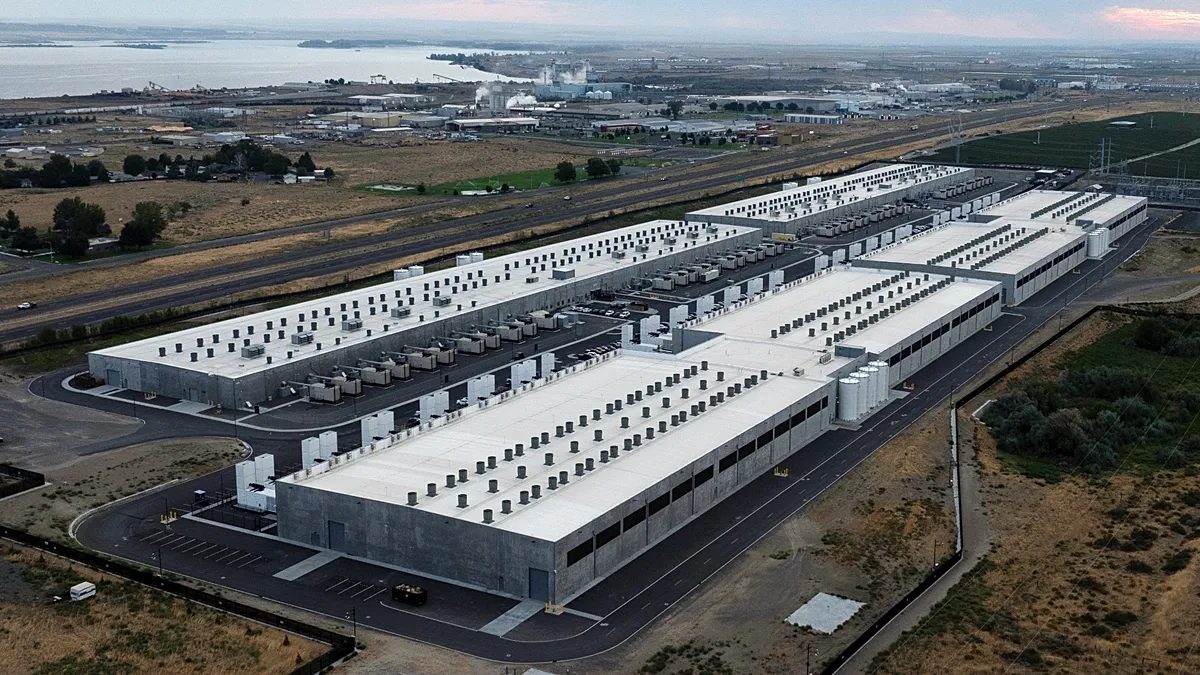
40 Mayors Worldwide Unite to Fight Back Against the AI Data Centre Surge
40 mayors worldwide unite to fight – As the demand for artificial intelligence grows, so does the need for powerful data centres that fuel these systems. To address the rising concerns, forty mayors from cities spanning four continents have signed a historic agreement aimed at setting clear conditions for the acceptance of AI data centres. This coalition, organized by the C40 Cities network—an alliance of nearly 100 urban centers working to combat climate change—marks a significant step in ensuring that the expansion of these facilities aligns with sustainability goals and community needs.
The Global Collaboration
The agreement, unveiled on Tuesday during London Climate Action Week, was crafted in response to the challenges faced by cities grappling with the environmental and infrastructural impacts of data centres. These facilities, which require massive amounts of energy and water, have become a growing concern for urban authorities. By uniting their voices, mayors seek to create a unified framework that balances technological advancement with the preservation of local resources and quality of life for residents.
The initiative originated from a dialogue between the mayors of Phoenix and Melbourne, two cities confronting similar issues. Both had observed data centres consuming vast electricity and water resources, often competing with housing developers for available land. “We realized the challenges across regions were strikingly alike,” explained Cassie Sutherland, a managing director at C40. “Our goal was to leverage a global mayoral network to establish shared standards for data centre development.”
The pact outlines specific guidelines for cities to manage the growth of AI data centres. Key principles include prioritizing site selection on underused or abandoned land, utilizing renewable energy and battery storage, and mandating water conservation and emission reduction measures. Additionally, data centres are expected to create local employment, source goods and services from nearby communities, and fund their own infrastructure upgrades. The mayors also emphasize the importance of meaningful engagement with residents to ensure their voices are heard in the decision-making process.
Environmental and Social Impacts
The agreement highlights the urgent need for cities to take proactive measures. In Phoenix, the expansion of data centres has already placed strain on the power grid. The city’s mayor, Kate Gallego, noted that pending permit requests could double the city’s electricity demand if all were approved. “While this innovation is crucial for job creation, we must ensure it doesn’t come at the cost of our environment or community well-being,” Gallego stated.
Melbourne presents a more severe scenario. According to Lord Mayor Nicholas Reece, the city’s data centres could consume up to 20 billion litres of water annually, equivalent to 4% of its drinking water supply. This is compounded by existing pressures on water resources from population growth, prolonged dry spells, and rising temperatures. “The current trajectory is unsustainable,” Reece warned. “We need to act before the situation worsens.”
The pact also addresses the broader implications of data centre growth. With over 1,700 facilities already operating in C40 cities and projections of more than a 40% increase in 50 of those cities within the next few years, the need for coordinated action has never been greater. The standards set by the mayors aim to prevent data centres from becoming an unchecked burden on urban resources, ensuring they contribute positively to local economies and environmental goals.
Challenges and Opportunities
Despite the agreement’s comprehensive approach, mayors acknowledge the limitations of their individual influence. “City leaders alone cannot dictate the pace of development,” Sutherland said. “We need to translate our vision into actionable policies that involve utilities, other government tiers, and the private sector.”
The coalition includes a mix of cities from North America, Europe, and other regions. U.S. signatories include Seattle, Chicago, Miami, Phoenix, and Palo Alto, while European cities from Greece, Spain, Italy, Germany, the UK, and Norway have also joined. Additional participants come from Canada, Kenya, South Africa, Sierra Leone, Côte d’Ivoire, India, Australia, and Lebanon. Notably, Southeast Asian cities, which account for a quarter of global energy demand growth, have not signed the pact. According to Ember, over 2,000 data centres already operate in Indonesia, Malaysia, Singapore, Thailand, Vietnam, and the Philippines, and the International Energy Agency predicts their energy consumption will more than double within five years.
Some Southeast Asian cities cited national policies and other logistical challenges as reasons for not joining the agreement. “There are complexities that make it difficult for individual cities to act independently,” C40 noted. However, the organization continues to engage with these cities, hoping to align their strategies with the global effort.
The Future of Data Centre Development
One of the key drivers of data centre proliferation is the demand for AI-powered systems, which require near-instantaneous data processing. This has led to a preference for cities that offer proximity to clients, making urban areas attractive for investment. As Andrew Batson, global head of data centre research at JLL, explained, “Data centres tend to cluster in metropolitan areas because the business case outweighs land costs. This dynamic is now shifting as rural regions become viable options.”
The mayors’ pact is designed to influence this trend. By establishing a unified front, they aim to change the way developers approach data centre placement. “Without a coordinated effort, cities may be forced to accept facilities that don’t meet sustainability standards,” Gallego said. “This agreement gives us the leverage to demand better from the industry.”
The initiative is part of a larger movement to ensure that technological progress does not come at the expense of environmental health. With AI continuing to reshape industries, the role of data centres in this transformation is undeniable. However, their placement and operation must be managed carefully to avoid exacerbating climate challenges and displacing local communities. The mayors’ agreement represents a critical first step in this direction, offering a blueprint for sustainable development in the digital age.
As the agreement takes effect, its success will depend on the collaboration between mayors and other stakeholders. “This is just the beginning,” Sutherland said. “We need to work together to implement these standards effectively and monitor their impact.” The mayors’ vision is clear: to harness the benefits of AI technology while safeguarding the planet and its people.