
Why the Strait of Hormuz matters so much in the Iran war
Why the Strait of Hormuz Matters in the Iran War
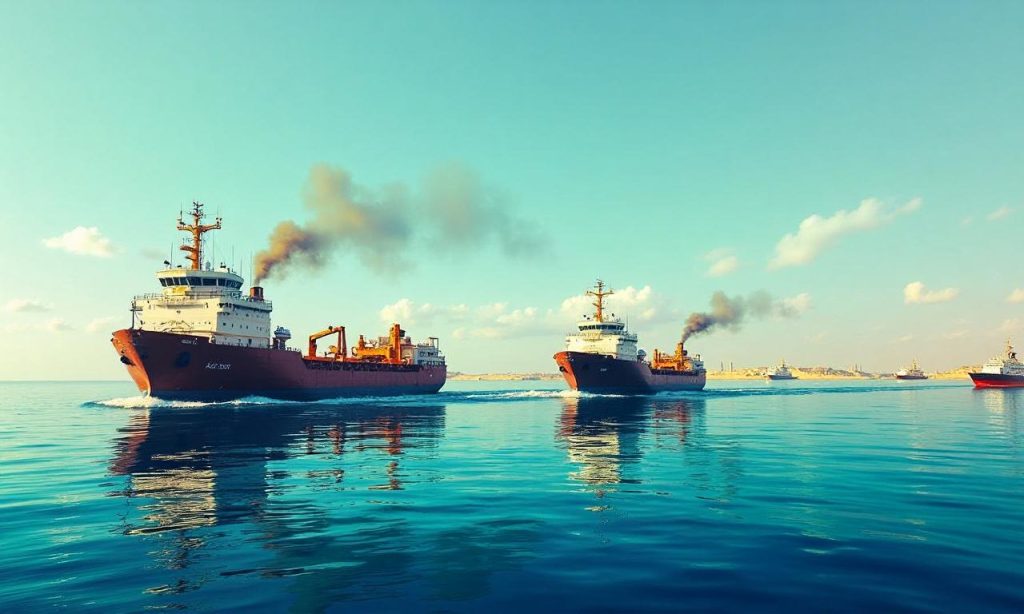
The U.S. and Iran reached a pause in hostilities, contingent on ensuring safe navigation through the Strait of Hormuz. This critical waterway, a lifeline for global energy supply, had been disrupted by Iran after the February 28 attacks by Israel and the U.S. on Iranian targets. The strait’s strategic value lies in its role as one of the world’s most vital oil shipping routes.
A Global Energy Nexus
Approximately 20% of the planet’s oil and liquefied natural gas (LNG) traverses the Hormuz passage. During the conflict, tensions drove fuel prices to sharp highs, but a 15% decline followed the ceasefire agreement. The strait, spanning just 50 kilometers at its entrance and 33 kilometers at its narrowest, links the Persian Gulf to the Arabian Sea, accommodating the largest crude oil tankers.
Trade Volumes and Economic Impact
Energy exports through Hormuz totaled 20 million barrels daily in 2025, valued at nearly $600 billion annually. These shipments include oil from Iran, Iraq, Kuwait, Qatar, Saudi Arabia, and the UAE, alongside LNG primarily from Qatar. The strait also serves as a key route for fertiliser exports, with one-third of global trade passing through it. Imports for the Middle East, such as food and medicines, similarly depend on the passage.
During the hostilities, the number of ships passing through the strait dropped significantly. Iranian threats to target tankers and vessels disrupted maritime traffic, prompting emergency measures in regions reliant on the flow. South Sudan and Mauritius implemented electricity cuts, while Slovenia in Europe became the first EU nation to enforce fuel rationing. In Asia, China absorbed nearly 90% of Iran’s oil exports, amplifying the crisis’s effects on daily life.
Military Strategies and Historical Precedents
Although the U.S. hasn’t stationed warships in the strait, it has launched air strikes against Iranian infrastructure. On March 18, for example, U.S. forces bombed anti-ship missile sites near the passage. President Trump had earlier urged allies and China to deploy naval forces to secure Hormuz, but his call received limited support. The U.S. has historically used military power to restore traffic, as seen during the 1980s Iran-Iraq war, when strikes escalated into a “tanker war” targeting neutral vessels.
“You can be attacked, and you can’t get insurance or it is extremely expensive,” said Arne Lohmann Rasmussen, a chief analyst at Global Risk Management, during the period of instability.
The strait’s territorial waters, controlled by Iran and Oman, posed a direct threat to ships. Iranian drones, missiles, and fast attack boats created risks, with at least 24 commercial vessels damaged and three near misses reported by United Against Nuclear Iran as of April 2. The balance of power here underscores its role in shaping global energy markets and regional economies.