
Want to help garden birds? Don’t feed them in warmer months, says RSPB
Want to help garden birds? Don’t feed them in warmer months, says RSPB
The Disease Threat
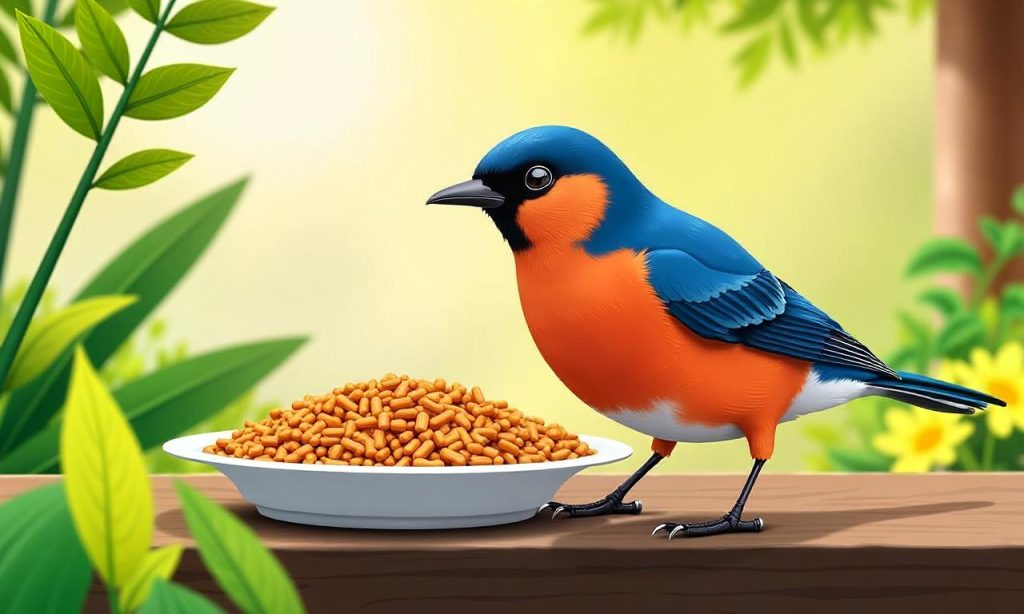
While offering food to birds in your garden appears beneficial, it might inadvertently harm certain species. The UK’s largest bird charity, the Royal Society for the Protection of Birds (RSPB), urges people to pause feeding activities between 1 May and 31 October. This period is linked to the spread of trichomonosis, a parasite-driven illness that affects birds’ ability to eat, drink, or breathe. The disease has contributed to sharp declines in populations of greenfinches and chaffinches.
Greenfinches, once common in UK gardens, have seen a two-million drop in numbers. They are now listed as endangered. The parasite spreads through saliva and droppings, contaminating feeders and creating disease hotspots. Adults can transmit it to chicks by regurgitating food, compounding the risk.
Industry Response
The RSPB’s latest Big Garden Birdwatch data shows greenfinches dropped from rank seven in 1979 to 18 in 2025. Over 16 million households regularly provide food, with roughly one feeder for every nine birds. The charity emphasizes “feed seasonally, feed safely” to curb disease transmission, stressing the importance of hygiene.
“I want to support the birds — I don’t want to do anything that’s going to spread disease,” said Helen Rowe, a London resident who feeds sparrows. She acknowledged the challenge of changing habits but agreed with the advice.
The RSPB recommends cleaning feeders weekly and relocating them after each clean to prevent debris accumulation. Water should be replaced daily, and only tap water is advised. Bird baths also need weekly scrubbing. The charity has stopped selling flat feeders, citing their role in disease spread. This shift marks a departure from traditional bird tables.
Controversy and Practicality
Some question the uniformity of the guidance, noting that natural food availability varies by region. Dick Woods, a feeder manufacturer, highlighted this, stating, “Every garden is different. In some places, food is so abundant that birds don’t use feeders much; in others, there’s little alternative.” Despite this, the RSPB insists a clear message is easier to follow, even if behavior change takes time.
The pet food industry has criticized the shift, calling it “a significant change to long-established advice.” They warn the new guidance could confuse millions of regular feeders. Yet, the RSPB remains committed to simplifying its recommendations to encourage safer practices.