
U.S. forecast to bring extreme heat, cold and everything in between
Extreme Weather Across the U.S. as Heat and Cold Collide
Across the United States, dramatic weather shifts are unfolding, with regions from Hawaii to Alaska experiencing a wide array of conditions. From relentless downpours to Arctic cold and high winds, the nation is bracing for a dynamic climate pattern that defies typical seasonal trends.
Hawaii Battling Persistent Rainfall
Heavy rainfall has already begun in Hawaii, with the National Weather Service issuing warnings about potential flooding. Oahu is under a flash flood alert as the state prepares for prolonged downpours.
“All of the country, even if you’re not necessarily seeing extremes, are going to see generally changing from cold to warm, or warm to cold to warm,” said meteorologist Marc Chenard of the National Weather Service’s Weather Prediction Center in Maryland.
Southwest Faces Record-Breaking Heat
The Southwest is set to endure extreme heat, with a heat dome expected to form early next week and linger over the region. Temperatures in Phoenix are projected to reach triple digits, surpassing historical records for this time of year.
According to the National Weather Service, Phoenix typically hits its first 100-degree day in early May, but this year it’s already forecasting 98°F on Tuesday, followed by 103°F, 105°F, and two days of 107°F. The early arrival of such intense heat is more impactful due to lack of seasonal acclimation, the service noted.
Polar Vortex Invades Midwest and East
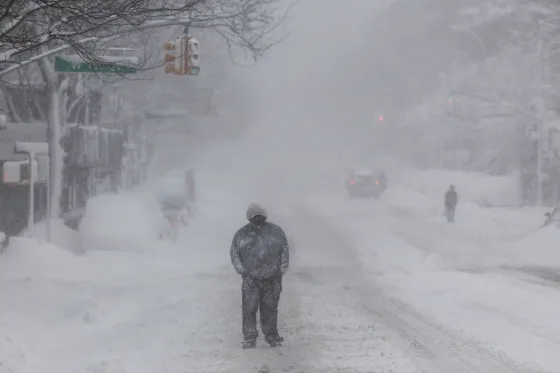
Meanwhile, the polar vortex is forecast to send frigid air into the Midwest and East, even extending to parts of the Southeast. Minneapolis could see lows near zero, while Chicago may plunge into single digits. The Northeast and Mid-Atlantic regions might experience teens and 20s, with Atlanta potentially dropping to the 20s.
Storm Systems Trigger Snow and Wind
Two consecutive storm systems will sweep across the northern tier and Great Lakes, possibly delivering 3 to 4 feet of snow in certain areas. The second storm, which is expected to develop by Sunday, may qualify as a bomb cyclone due to its rapid pressure drop and intensifying winds.
Maue explained that this bomb cyclone will draw energy from the polar vortex instead of warm ocean waters, a rare occurrence over land. High winds in the 60 mph range will affect regions like San Antonio and Austin, increasing wildfire risk in areas with limited rainfall.
Nebraska Mobilizes Against Wildfires
Nebraska Governor Jim Pillen has declared an emergency and activated the National Guard to combat wildfires burning over 550 square miles of grasslands and ranges. Strong winds and low humidity have made the fires difficult to contain, though no injuries have been reported so far.
Alaska Experiences Unprecedented Cold
Alaska, usually frigid at this time of year, is facing temperatures 30 degrees below normal, according to Maue. This extreme cold is part of the broader weather pattern affecting the entire country.
Wildfire Risk and Ice Storm Potential
Jeff Masters of Yale Climate Connections highlighted that areas near Michigan could see a significant ice storm, adding to the winter weather challenges. High winds in the 60 mph range are also expected in parts of Texas and Oklahoma, with gusts likely higher on Sunday night.