
Syria walks back Damascus alcohol ban after outcry from residents
Syria Reverses Damascus Alcohol Ban Amid Resident Protests
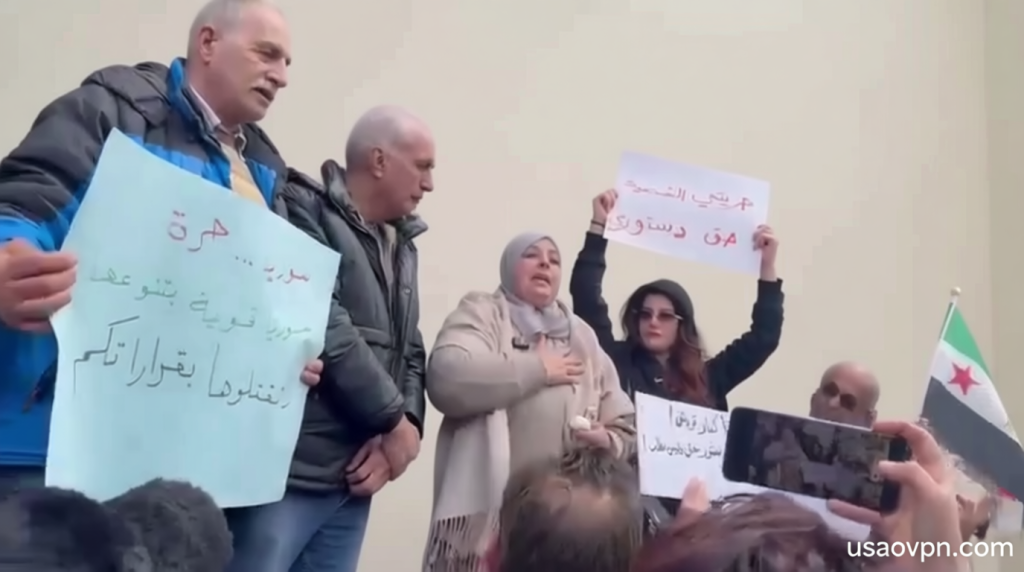
Following public protests and criticism, Damascus authorities have retracted a proposed alcohol ban, which initially targeted the sale of alcoholic beverages in restaurants and nightclubs. The decision, which initially excluded Christian neighborhoods, faced widespread backlash from citizens and accusations of religious bias.
On Monday, the city announced a restriction on alcohol sales across its districts, with exceptions granted to the Christian areas of Bab Touma, Qassaa, and Bab Sharqi. The policy aimed to curb behaviors deemed “unethical” by authorities, though it sparked concerns about discrimination.
“The Damascus Governorate apologises to our people in Bab Touma, Qassaa and Bab Sharqi for the misunderstanding that arose from the decision, which was circulated inappropriately,” stated the official clarification.
Residents of Bab Touma organized a demonstration on Sunday, highlighting multiple grievances, including the alcohol restrictions. Protesters, comprising both Muslim and Christian communities, argued the measure was sectarian and jeopardized social unity.
Christian advocacy groups issued a joint letter condemning the policy, citing historical threats to their community. “Restricting alcohol sales to predominantly Christian areas could make them prime targets for terrorist attacks, considering the region’s troubled past,” the letter emphasized.
Context of the Government’s Actions
Since the fall of Bashar al-Assad in December 2024, the transitional government under President Ahmed al-Sharaa has maintained a relaxed approach to social policies. However, recent measures like the January prohibition on female public sector employees wearing makeup and the mandatory full-body swimsuits on public beaches have raised doubts about shifting priorities.
Al-Sharaa’s group, Hay’at Tahrir al-Sham, previously aligned with al-Qaeda, now governs a country where most citizens are conservative Sunni Muslims who avoid alcohol due to religious practices. Yet, secular Sunnis and other minorities view the ban as an encroachment on personal freedoms.
In October, the government conducted parliamentary elections, with Sharaa personally selecting a third of the seats while local committees handled the rest. This process left Sweida province, majority Druze, and the Kurdish-held northeast without representation, drawing criticism from pro-democracy activists.
A temporary constitution, enacted in March, outlines the parliament’s role until a permanent one is adopted. The interim administration claims direct elections are impractical due to the war’s devastation, which resulted in hundreds of thousands of deaths and millions of displaced people. Nevertheless, the selection method disappointed many who had anticipated broader reforms after Assad’s removal.