
Lebanon thought there was a ceasefire – then Israel unleashed deadly blitz
Lebanon thought there was a ceasefire – then Israel unleashed deadly blitz
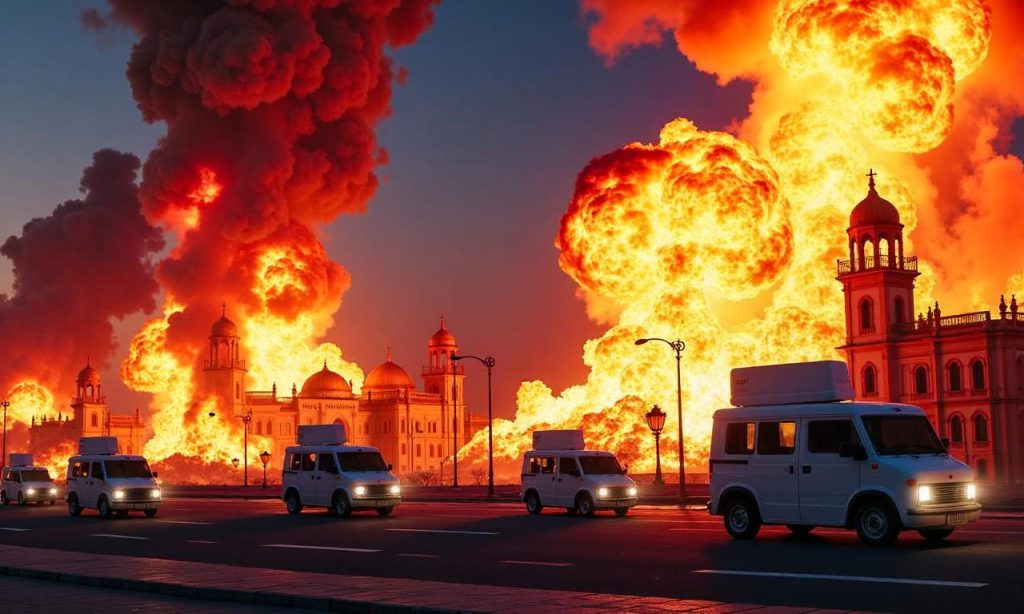
Lebanon had just begun to believe in peace. Hours earlier, U.S. President Donald Trump had declared a two-week truce to halt the escalating conflict in the Middle East. Yet, as hope emerged, Israeli airpower struck with intensity, bombing key areas and leaving a trail of destruction. The Lebanese health ministry reported at least 203 fatalities and over 1,000 injured in the 10-minute assault, which targeted civilian and military zones.
Western and local leaders condemned the attack, but the U.S. remained silent on its ally’s actions. Iran called the strike a “grave breach” of the ceasefire, urging the U.S. to stop Israel’s “aggression.” Lebanese officials noted that more than 1,700 lives had been lost since the conflict resumed last month. Israel defended its operations, claiming they were aimed at diminishing Hezbollah’s strength and meeting remaining military goals.
Origins of the Conflict
The war began with U.S. and Israeli strikes against Iran on February 28, triggering retaliation from Tehran against Gulf allies and attacks by Iran’s proxies—Hezbollah in Lebanon and the Houthis in Yemen—targeting Israel. In response, Israel intensified its campaign against Hezbollah, deploying troops into significant parts of Lebanon.
A two-week pause was brokered by Pakistan’s Prime Minister Shehbaz Sharif, acting as mediator between the warring factions. Sharif stated that the U.S. and its allies had agreed to an immediate ceasefire “everywhere, including Lebanon and elsewhere.” The next step in talks was set for Friday, with the U.S. offering a 15-point proposal and Iran presenting a 10-point counter-plan. However, the Israeli government asserted that the ceasefire did not cover Lebanon, citing Hezbollah as the reason. Trump echoed this, calling the conflict in Lebanon “a separate skirmish.”
At around 14:00 in Beirut (11:00 GMT), the sky turned dark with Israeli jets conducting a massive strike. The IDF claimed it had executed “the largest co-ordinated air assault on Lebanon since Operation Roaring Lion,” targeting over 100 Hezbollah facilities, military positions, and command centers in Beirut, Bekaa, and southern Lebanon. The attack hit densely populated areas in central Beirut, with officials describing the intensity as one of the heaviest since early March.
“This is something like normal,” said Ziad Samir Itani, leading the civil defense team. “We’ve been dealing with constant attacks for over six weeks.”
While Hezbollah’s traditional stronghold, Dahieh, was targeted, the city center also suffered. The aftermath saw search efforts ongoing, with devastation in Tallet el Khayat—a affluent district in western Beirut. The strike caught residents off guard, as the area was rarely targeted.
“It was a massacre,” President Joseph Aoun remarked. “Civilians were hit.”
Hezbollah’s response was delayed, with rockets fired toward Israel hours after the attack. On Thursday, Israel continued its assault, announcing the elimination of “70+ terrorists,” including Ali Yusuf Harshi, Hezbollah’s secretary to Secretary-General Naim Qassem. However, no independent confirmation has been provided. The BBC remains unable to verify these claims.