
How Pakistan positioned itself at the centre of global crisis management
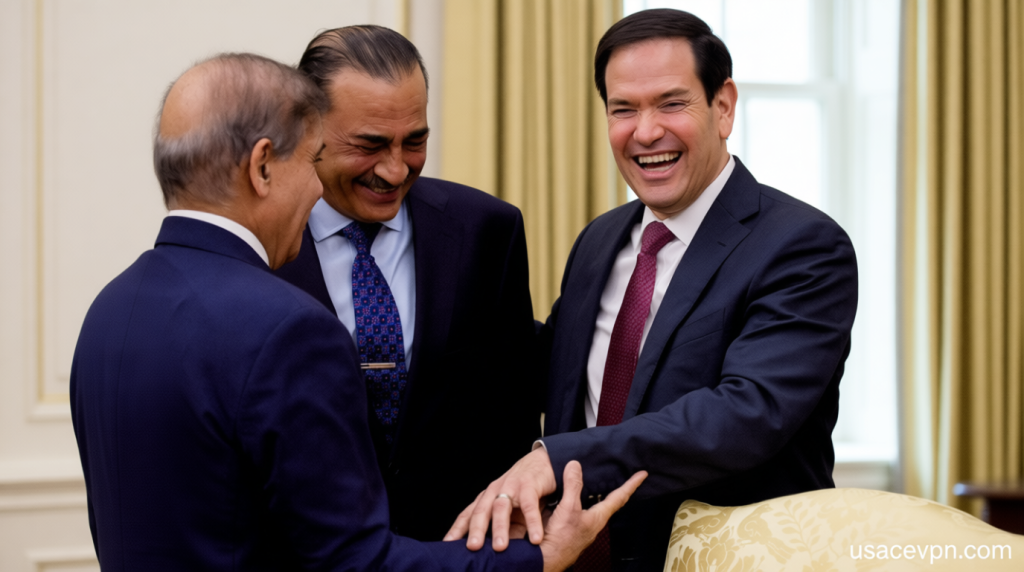
How Pakistan positioned itself at the centre of global crisis management
Amid the intense dynamics of Middle Eastern diplomacy, where tensions between war and peace are amplified by ongoing air strikes and shifting energy prices, Pakistan has emerged as an unexpected player in conflict resolution. A nuclear-armed nation often defined by economic strain, political instability, and security threats along its western border with Taliban-controlled Afghanistan, Islamabad now seeks to mediate between the U.S. and Iran.
A Strategic Shift
Recently, a proposal surfaced with surprising urgency, proposing Islamabad as a neutral setting for direct talks between the Trump administration and Iranian leaders. If executed, this initiative could halt the escalation of a conflict that has rattled global energy markets and raised fears of broader regional warfare. It would also redefine Pakistan’s strategic role, moving it from a perceived security risk to a diplomatic hub in international crisis management.
“This position has not emerged overnight; it is the result of a sequence of decisions over the past year that have collectively restored Pakistan’s diplomatic reach.”
According to an Islamabad-based security official, steering negotiations is a calculated move to safeguard the country’s stability. Prolonged war risks economic and security fallout, making Pakistan’s engagement critical for regional peace.
Economic and Security Imperatives
Pakistan’s economy, already strained by IMF-imposed austerity measures, faces additional strain from rising oil prices and energy shortages. The conflict between Iran and its adversaries has deepened these challenges, threatening the nation’s fragile financial balance. Officials warn of impending liquefied natural gas crises if supply lines remain disrupted.
The nation’s western border, a 900-kilometre stretch with Iran, has long been a corridor for militant activity, smuggling, and separatist movements. A regional war could destabilize border regions, where Pakistani control is already tenuous. Internally, the country’s sectarian landscape—home to a Shia minority of 15 to 20 percent—heightens sensitivity to developments in Tehran.
Domestic Repercussions
Violence in the Middle East quickly affects Pakistan. The assassination of Iranian Supreme Leader Ayatollah Ali Khamenei at the conflict’s onset sparked riots across major cities, illustrating how regional tensions can ignite domestic unrest. Policymakers now view an extended war as a top priority, fearing its ripple effects on national security.
Meanwhile, Pakistan’s ties with Gulf allies, especially Saudi Arabia, place it in a delicate position. A security pact signed in September with Riyadh outlines collective defense commitments, raising concerns that Islamabad may be called upon to assist in a worsening conflict.
“Pakistan, being located right on the war’s doorstep, clearly would prefer to take steps meant to help end the war, and not get dragged into it,” wrote Michael Kugelman on X.
Analysts suggest Islamabad’s flexibility is limited if the conflict intensifies. The nation’s dual challenges—managing militant threats from Afghanistan and balancing regional alliances—highlight its precarious position. As the situation unfolds, Pakistan’s ability to mediate may depend on its capacity to navigate both external pressures and internal vulnerabilities.