What is ‘Kushner Island’ and why are Albanians protesting about it?
What is Kushner Island and why are – Albania has seen widespread demonstrations against a luxury resort development linked to U.S. political figures over the weekend, with thousands of citizens rallying in the capital, Tirana, and at the protected Vjosa-Narta lagoon on the Adriatic coast. The protests have centered on concerns that the project, tied to Jared Kushner and Ivanka Trump, threatens one of the Mediterranean’s most vital biodiversity hotspots. Demonstrators waved national flags and carried inflatable pink flamingos, which have become the emblem of the movement, while chanting slogans like “Cancel the project!” and displaying banners such as “Ivanka go home” and “Albania is not for sale.” The controversy has escalated into a political flashpoint, prompting questions about the project’s environmental and cultural implications.
The Island’s Historical Significance
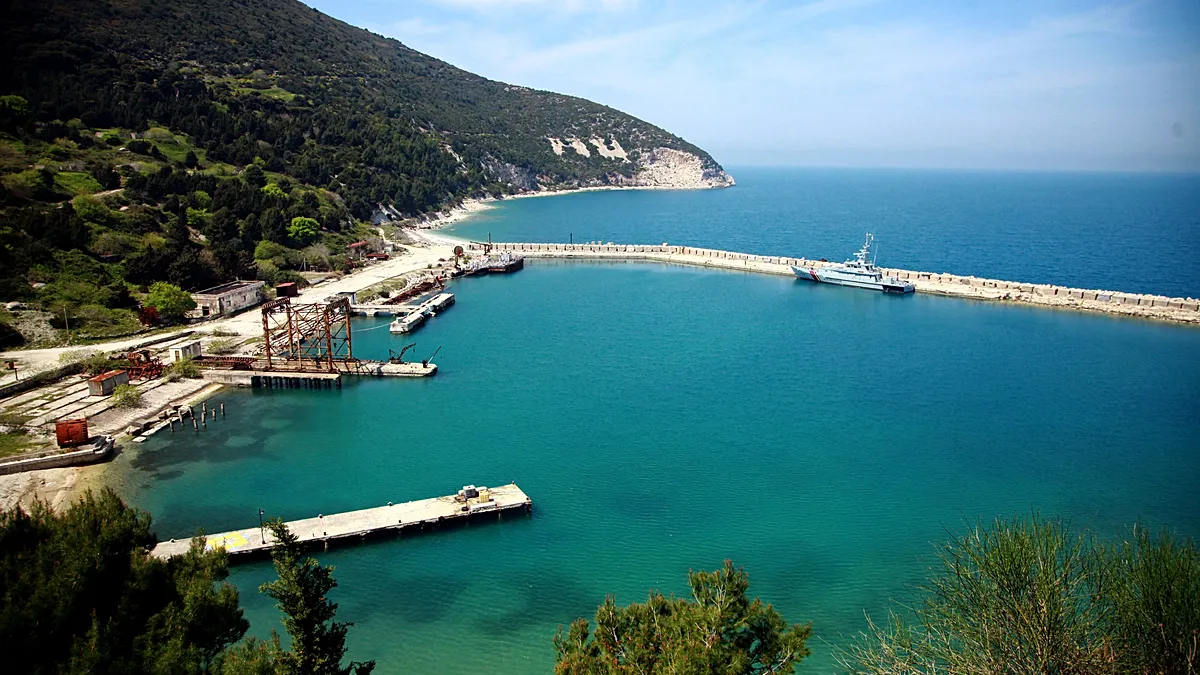
“Kushner Island” is an informal designation for Sazan Island, a largely uninhabited Albanian outpost in the Mediterranean that has long been a strategic military site. Its location, at the confluence of the Adriatic and Ionian Seas, has made it a focal point for regional powers throughout history. During the Ottoman era, the island remained sparsely populated but was strategically valuable for controlling maritime trade routes. After Albania’s independence in 1912, the island became a contested territory, with competing claims from neighboring nations.
In 1914, Italy seized control of Sazan, which it called Saseno, following the Treaty of London. The island was formally transferred to Italy after the First World War and transformed into a heavily fortified military base. Under Mussolini’s leadership, Italian forces constructed barracks, coastal defenses, and military installations, using the island to dominate access to the Adriatic Sea. After the Second World War, the island was returned to Albania and remained a closely guarded military area during the communist rule of Enver Hoxha. Today, it stands as the country’s largest island, known for its rugged coastline, abandoned tunnels, and hundreds of Cold War-era bunkers.
The Luxury Development Controversy
Jared Kushner, the son-in-law of U.S. President Donald Trump, has spearheaded a €1.4 billion investment plan to convert part of Sazan Island into a high-end resort. The project includes hotels, villas, apartments, a marina, and other premium facilities, marketed as an “eco-resort” to attract wealthy international visitors. While the government supports the initiative as a means to generate employment, attract foreign capital, and expand tourism, critics argue that the development jeopardizes the island’s unique ecosystems.
Protesters have raised alarms about the potential destruction of sensitive habitats, citing the Vjosa-Narta lagoon as a critical area for biodiversity. The lagoon, a protected site, is home to migratory birds and serves as a key refuge for species like flamingos. Environmental organizations and local activists have emphasized the lack of transparency in the project’s planning, warning that large-scale tourism could irreversibly alter the landscape and disrupt natural balance. The slogan “Albania is not for sale” reflects broader concerns about the country’s natural heritage being commercialized for profit.
The Symbolism of the Pink Flamingo
Central to the protest movement is the pink flamingo, which has emerged as a powerful symbol of resistance. The bird became a rallying icon during demonstrations against resort developments in the Narta Lagoon area, a coastal wetland crucial for migratory birds. Initially, activists used inflatable flamingos to highlight the environmental risks posed by construction near the lagoon. Over time, the flamingo gained wider recognition as a emblem of ecological protection and public opposition to unsustainable development.
“The pink flamingo represents our fight to preserve Albania’s natural heritage,” said one protest leader. “It’s a reminder that this land is not just a playground for foreign investors.”
As the movement gained momentum, the flamingo became its defining image, with demonstrators donning costumes and parading giant inflatables during rallies. Some have even dubbed the campaign “Albania’s Flamingo Revolution,” underscoring its cultural and symbolic resonance. The bird’s presence at protests has drawn international attention, framing the issue as both a local and global concern.
Political and Environmental Implications
The Sazan Island project has ignited a debate between economic interests and environmental preservation. Supporters, including the Albanian government, tout the potential for job creation and increased tourism revenue, positioning the development as a gateway to modernizing the region. However, opponents argue that the project prioritizes luxury amenities over the long-term health of the environment. They stress the island’s status as a biodiversity hotspot and its historical value, warning that construction could lead to irreversible ecological damage.
The island’s strategic location, near the city of Vlorë and opposite Italy’s southern coast, has also fueled political tensions. Critics question whether the development aligns with Albania’s national interests or serves as a pawn for foreign influence. The protest movement has grown beyond environmental concerns, becoming a platform for broader discussions about sovereignty, public participation, and the balance between growth and conservation. Activists highlight that the island’s military past is not just a historical footnote but a testament to its importance in regional geopolitics.
A Nation’s Struggle for Identity
For many Albanians, the conflict over Kushner Island reflects deeper anxieties about their country’s future. The island, once a symbol of national resilience during the communist era, now stands as a battleground for competing visions of development. Protesters argue that the project threatens not only the environment but also the cultural identity of Albania, which has long prided itself on preserving its natural landscapes and historical sites.
The use of the pink flamingo in protests underscores this cultural connection, blending ecological advocacy with national pride. While the government aims to position Sazan Island as a luxury destination, the public sees it as a risk to the country’s legacy. The movement’s intensity has led to calls for greater transparency, with activists demanding public consultations and environmental impact assessments. As the project moves forward, its success will depend on how well it balances economic gains with the preservation of Albania’s natural and cultural treasures.
The protests highlight the growing influence of global investment in local communities, with concerns about the concentration of wealth and the marginalization of traditional stakeholders. By framing the issue as a fight to protect their homeland, Albanians have turned the Sazan Island project into a symbol of their struggle for autonomy and environmental stewardship. The outcome of this debate could shape the future of Albania’s coastline and its relationship with international development initiatives.