Switzerland to Vote on New Nuclear Plants
Switzerland heading towards referendum on construction – Switzerland is set to decide the future of nuclear energy through a public referendum, as the government’s initiative to build new reactors moves closer to approval. After parliamentary support was granted on Thursday, the plan now faces a nationwide vote, reversing a 2018 ban that halted the development of additional nuclear facilities. This decision has reignited discussions about the country’s energy strategy, with advocates for nuclear power emphasizing its role in securing a stable electricity supply and opponents warning of environmental risks.
Energy Minister Albert Rosti defended the proposal, arguing that nuclear energy is essential for Switzerland’s long-term energy security. He highlighted concerns over the nation’s growing energy demands and the potential for supply gaps if new reactors are not constructed. While renewable sources like wind and solar have expanded, Rosti stressed that nuclear power offers a reliable baseline to complement these efforts. The government maintains that nuclear energy is a necessary bridge to achieving net-zero emissions by 2050, despite opposition from climate-focused groups.
Direct Democracy in Energy Policy
The referendum, a cornerstone of Swiss governance, will allow citizens to weigh in on whether to expand nuclear power. A coalition of environmental and energy groups has announced plans to campaign for the vote, framing it as a crucial test of public opinion. Greens Party leader Lisa Mazzone expressed apprehension, stating, “The parliamentary vote undermines the progress of renewable energy and our climate goals.” Her comments reflect growing concerns that nuclear expansion might slow the transition to cleaner, sustainable alternatives.
To qualify for the referendum, the coalition needs 50,000 signatures within 100 days of a new law’s enactment. This target is considered achievable, as the group has already begun collecting support. Meanwhile, the government remains steadfast, asserting that new reactors are vital to safeguard against energy shortages exacerbated by geopolitical tensions. The decision comes as global energy markets face instability due to conflicts such as the US-Israeli standoff with Iran and Russia’s invasion of Ukraine.
Energy Security vs. Environmental Goals
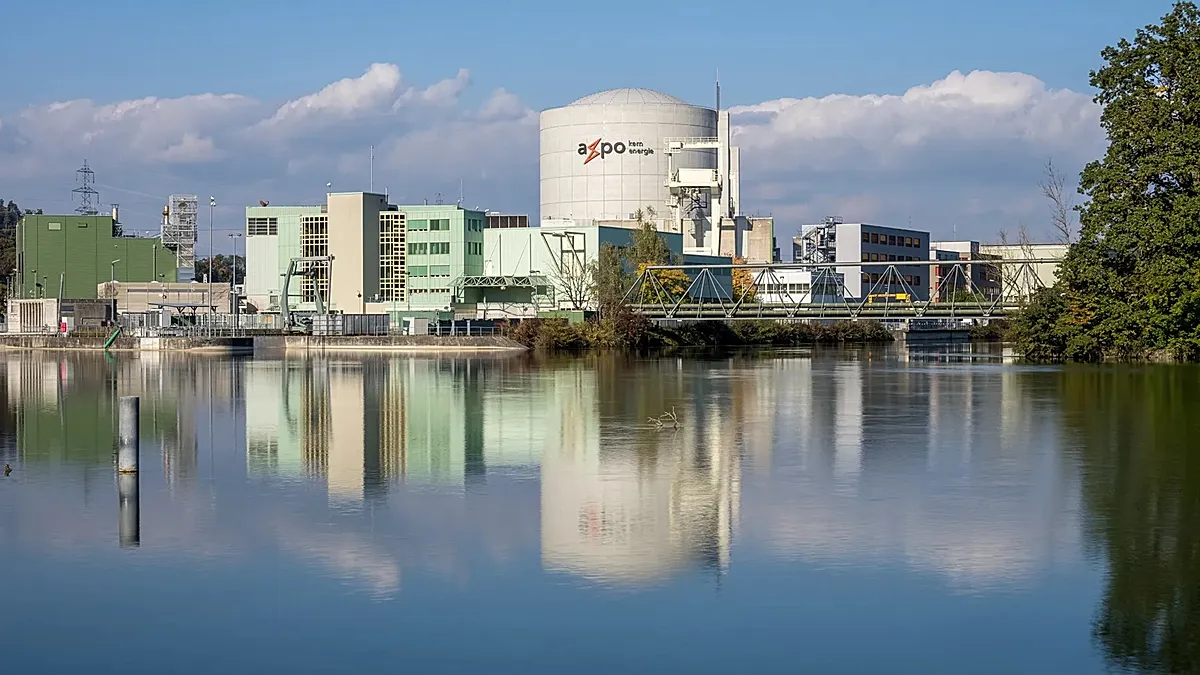
The push for nuclear expansion stems from fears that Switzerland’s current energy infrastructure may not meet future demands. With four aging reactors—Beznau 1, Beznau 2, Gosgen, and Leibstadt—scheduled for retirement by 2033, the government argues that new plants will prevent power shortages. These reactors, built in the 1960s and 1970s, have been central to the country’s energy mix but now face scrutiny over their sustainability and safety. Proponents claim that nuclear energy provides a low-carbon solution, though critics question its long-term viability in light of climate objectives.
Supporters of the referendum stress that nuclear power is a reliable and efficient option for meeting Switzerland’s energy needs. They argue that renewables alone cannot guarantee consistent supply, especially during periods of high demand. However, opponents highlight the risks of nuclear accidents and the challenges of waste management, which they believe are unresolved. The debate has intensified as the nation seeks to balance its commitment to climate neutrality with the practicalities of energy production.
The initiative’s approval marks a significant shift from the 2017 referendum, where voters overwhelmingly chose to phase out nuclear energy. That decision followed the Fukushima disaster, which reshaped public perceptions of nuclear safety. The 2018 ban was a more rigid measure, effectively halting all new reactor projects. Now, with the parliamentary endorsement, the government aims to reframe nuclear energy as a necessary component of its energy strategy, ensuring continuity amid global uncertainty.
Public sentiment remains divided, with polls showing a split between those who favor nuclear power for its reliability and those who prioritize renewable energy for its environmental benefits. The referendum is expected to be a pivotal moment, shaping Switzerland’s energy landscape for decades to come. As the nation prepares to cast its vote, the outcome will determine whether nuclear expansion continues or if renewable sources take center stage in the country’s power generation plans.