River Cruise Boom: Why Holidays on the Water Are Trending
River cruise boom – River cruising has become a major trend in the travel industry, with growing interest in journeys along inland waterways. Unlike traditional ocean cruises, these trips offer a unique blend of cultural exploration, scenic beauty, and ease of travel. The ability to experience multiple destinations without the hassle of frequent hotel changes appeals to a wide range of travelers, from seasoned adventurers to families seeking relaxed vacations. This shift is reshaping how people perceive leisure travel, as the sector continues to expand across Europe and beyond.
The Rise of Inland Waterway Tourism
In recent years, demand for river cruises has surged, outpacing the growth of ocean cruises in some regions. The German Travel Association (DRV) reported that cruises were among the fastest-growing segments of the German tourism market in 2025, with holidaymakers spending approximately 6.7 billion euros on both ocean and river excursions. This marks an 8% increase from the previous year, highlighting a significant shift in consumer preferences. Meanwhile, a study by IG RiverCruise revealed that the European river cruise market welcomed 1.39 million passengers in 2024, generating over 3.537 billion euros in ticket revenue and nearly 10 million overnight stays. The survey included data from 358 ships operating on European rivers, underscoring the scale and diversity of this emerging industry.
Key factors driving this trend include the appeal of a slower pace, personalized service, and the opportunity to immerse in local culture. Travelers appreciate the convenience of visiting multiple sites without switching accommodations repeatedly, as the onboard accommodations provide a consistent base. Additionally, the predictability of costs and the manageable logistical demands of these trips make them attractive for both budget-conscious and luxury-seeking tourists. As a result, river cruising has transitioned from a specialized niche to a mainstream offering, with companies like A-ROSA Flussschiff leading the charge in Europe.
The Rhine’s Dominance and Diverse Destinations
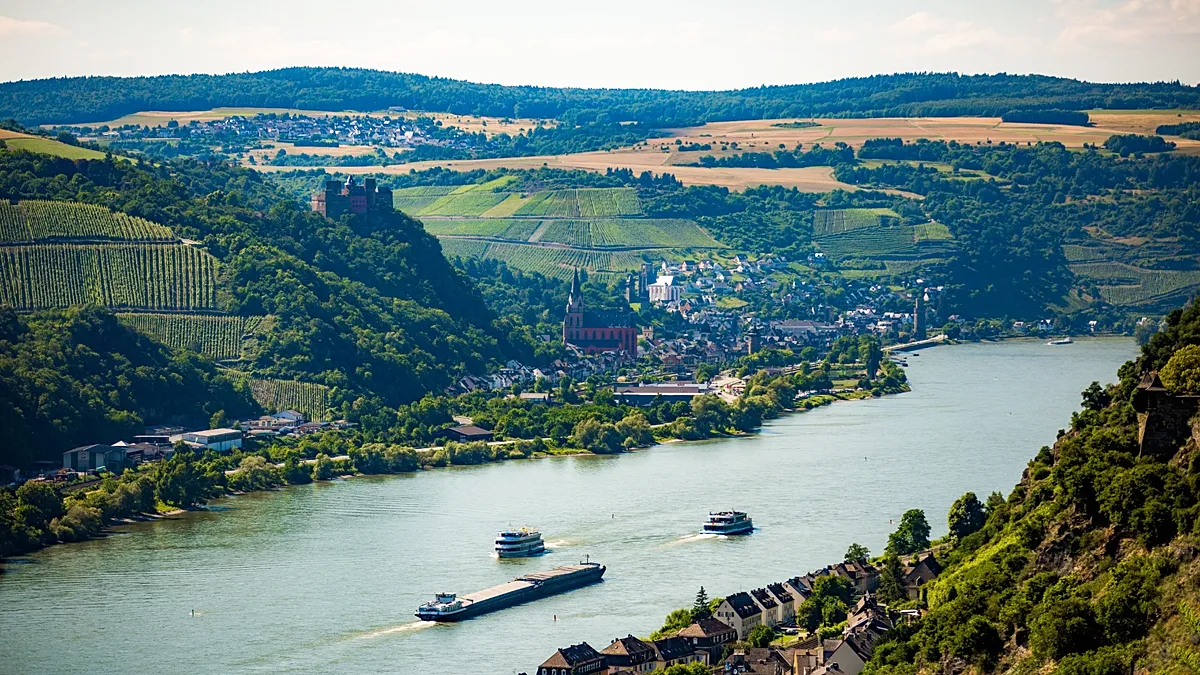
In Germany, the Rhine River remains the most popular route for river cruises, thanks to its extensive network of cities, landscapes, and cultural landmarks. The river connects iconic locations such as Amsterdam, Cologne, Mainz, Speyer, Strasbourg, and Basel, creating a seamless journey through historic towns and breathtaking scenery. Among these, the Middle Rhine Valley stands out for its castles, vineyards, and the famed Lorelei rock, drawing travelers eager to explore its UNESCO-listed heritage. The combination of natural beauty and cultural richness has solidified the Rhine’s reputation as a top destination for river cruises, offering a unique perspective on Europe’s history and geography.
While the Rhine dominates, other rivers like the Danube, Moselle, Main, and Saar are also gaining traction. These tributaries provide access to smaller towns and culturally distinct regions, often overlooked in classic travel itineraries. For example, the Moselle River is renowned for its wine villages, while the Danube connects Central and Eastern Europe, opening up new routes for travelers. The diversity of these destinations ensures that river cruises cater to a variety of interests, from gastronomy to history. As a result, the market is expanding beyond traditional routes, offering something for every type of traveler.
Infrastructure Challenges and Opportunities
Despite the growth, the sector faces pressing infrastructure demands. Benjamin Krumpen, chair of the DRV’s cruise committee, emphasized that modernization efforts along inland waterways are lagging behind the industry’s expansion. “Infrastructure development in many places cannot keep pace with the growth of the sector and its requirements,” he noted in an interview with Euronews. Key issues include outdated shore power connections, deteriorating moorings, and limited berthing capacity, which can disrupt schedules and hinder the industry’s potential.
“Infrastructure development in many places cannot keep pace with the growth of the sector and its requirements.”
One example of how infrastructure is being reimagined is the port authority in Weil am Rhein. The organization aims to broaden its scope by allowing passenger vessels to dock there, with plans for two new berths. Once completed, the port could accommodate up to 15 ships per week, unlocking new tourism possibilities. Passengers might explore nearby attractions like the Black Forest or Swiss landscapes, linking river travel with land-based excursions. This initiative reflects a broader recognition that river cruising is not just about the journey but also about the supporting infrastructure that enhances the experience.
For regions investing in berths and port facilities, river cruises offer substantial economic benefits. The DRV highlights that the sector creates value for hotels, restaurants, retailers, and local tour operators, fueling regional economies. However, without modernization, the industry risks facing competitive disadvantages. If investment is delayed, operators may shift resources to other European cruising regions, such as the Nile in Egypt or the French waterways, where infrastructure might be more developed. This underscores the need for strategic planning and long-term commitment to waterway development.
Market Dynamics and Future Prospects
The expansion of river cruises is also reshaping the travel industry’s landscape. Companies like A-ROSA Flussschiff have observed that the appeal of these trips extends beyond traditional cruise demographics, attracting younger travelers who value flexibility and cultural immersion. “The combination of a relaxed pace, comfort, and variety appeals not only to classic cruise guests but also to a younger clientele,” said A-ROSA in a statement to Euronews. This shift indicates a broader market trend, where river cruises are becoming a cornerstone of sustainable tourism.
With global markets in North America, Australia, and Asia showing positive growth, the river cruise industry is increasingly viewed as a gateway to Europe’s cultural and natural treasures. For international visitors, the Rhine and its tributaries often represent a quintessential German experience, blending history, landscapes, and wine traditions. The region’s ability to present a cohesive image of the country through its waterways has made it a preferred choice for travelers seeking both adventure and comfort.
As the industry evolves, the focus remains on integrating river cruising into existing infrastructure and tourist networks. While expansion is crucial, operators stress that growth must be balanced with practical considerations. “The crucial point is not expansion at any price, but sensible integration into existing structures,” explained A-ROSA. This approach ensures that the benefits of river cruising are maximized while addressing the logistical challenges that arise from its popularity.
The future of river cruising hinges on collaboration between governments, private companies, and local communities. Investments in modern berths, efficient port facilities, and sustainable tourism practices will be vital in maintaining the sector’s momentum. As travelers continue to seek unique and immersive experiences, the demand for river cruises is likely to persist, shaping the way we explore Europe’s cultural and natural heritage. With careful planning and infrastructure development, these trips could become a defining feature of 21st-century tourism, offering a blend of history, scenery, and modern convenience that appeals to a global audience.