Long-term Fertiliser Solutions Needed to Avoid EU Food Shortages, EU Agriculture Commissioner Says
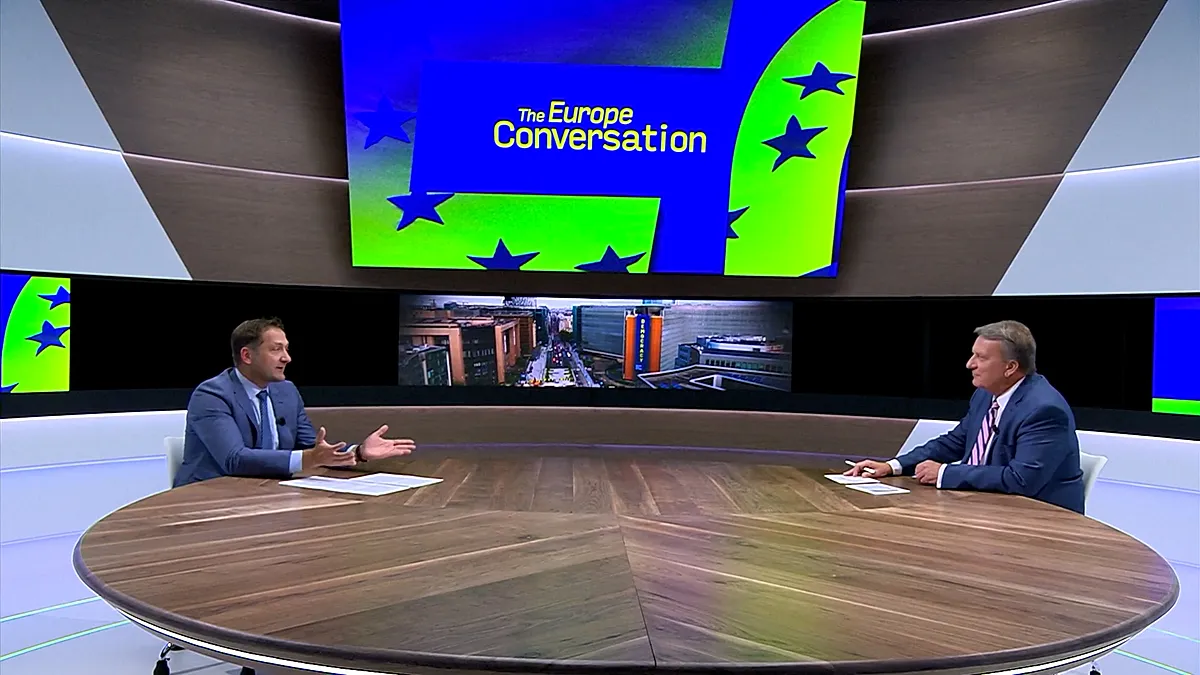
Long term fertiliser solutions needed to avoid – The European Union faces a critical challenge in securing its agricultural supply chains, with EU Agriculture Commissioner Christophe Hansen warning that without durable strategies to stabilize fertiliser availability, food shortages could become a reality. His remarks, delivered during an interview on Euronews’ programme The Europe Conversation, underscore the urgency of addressing both the immediate and structural causes of the ongoing crisis.
Fertiliser Prices Soar Amid Geopolitical Strains
Hansen highlighted how the persistent conflict in the Middle East has exacerbated the fertiliser price surge, creating a ripple effect across European markets. This has forced the European Commission to act swiftly, launching the Fertiliser Action Plan as a targeted response to mitigate the risks of reduced crop yields and declining food production. The initiative includes financial assistance to support farmers during this volatile period, but Hansen stressed that these measures are only a temporary fix.
“We need to do our homework as well and address the issues to make fertilisers not only available but also affordable, because, otherwise, there will be food shortages in the European Union,” Hansen stated, emphasizing that long-term solutions are essential to prevent dependency on unpredictable global markets.
According to Hansen, the EU’s reliance on imported fertilisers and energy sources has left it vulnerable to sudden price spikes and supply disruptions. “The main ingredient in chemical fertilisers is energy, and Europe remains heavily dependent on energy imported from outside the European Union,” he added, noting that nitrogen-based fertilisers, in particular, require significant natural gas inputs. This dependency has intensified since the Russian invasion of Ukraine, which triggered a global energy crisis and drove up production costs.
Financial Support and Structural Reforms
The Fertiliser Action Plan, unveiled in May, is designed to provide immediate relief while laying the groundwork for more sustainable practices. While the exact amount allocated to the initiative has yet to be finalized, Hansen revealed that over half a billion euros will be proposed to European budgetary authorities. Of this, €200 million will be drawn from the Common Agricultural Policy (CAP) crisis reserve, a fund established to cushion agricultural sectors during emergencies. The remaining €300 million will be additional support, with member states potentially contributing up to 200% of the total, pushing the budget to as much as €1.5 billion.
Hansen pointed out that the plan’s success hinges on not just the availability of funds, but also on restructuring the EU’s fertiliser supply chain. “We have now seen two consecutive [crises], and this will come back if we do not ensure a more stable and more reliable production cycle and availability,” he said, highlighting the compounded impact of the Middle East conflict and the energy crisis. The crisis, he argued, has been building for years, with fertiliser prices increasing by 60% between 2020 and 2024, a trend accelerated by the energy shortages caused by Russia’s invasion.
Farmer Challenges and Production Decisions
European farmers are increasingly caught in a precarious situation, with rising costs forcing some to reconsider their operations. “Many farmers across Europe are thinking about reducing their crop output, as the expenses have become too high to manage,” Hansen explained. He noted that the financial strain is particularly acute for small-scale producers, who struggle to pass on increased costs to consumers in a competitive market. “It’s not just about the price of fertiliser; it’s about the entire cost structure of farming,” he said.
This dilemma is compounded by the EU’s growing dependence on external suppliers for both fertilisers and energy. Approximately 40% to 45% of the fertilisers used by member states are imported from third countries, making the bloc susceptible to geopolitical shifts and market volatility. “Food is something we need, you and me, two to three times a day. It’s not just a matter of economics; it’s about ensuring we have proper nutrition to stay healthy,” Hansen argued, stressing that the crisis has far-reaching implications beyond agriculture.
Building Domestic Resilience
To reduce its vulnerability, the EU is pushing for greater self-sufficiency in fertiliser production. The Commission aims to promote the use of organic alternatives, enhance nutrient recycling, and adopt precision farming technologies that optimize resource use. “There is a lot to gain through efficiency and better nutrient use,” Hansen said, pointing to these innovations as potential pathways to long-term sustainability.
However, achieving full independence remains challenging. While the EU has made strides in developing domestic production capabilities, some raw materials—such as certain types of phosphorus and potassium—are still sourced internationally. This has led Hansen to advocate for stronger international cooperation, as seen in the recent meeting with G7 agriculture ministers. “This is not only a European problem; it is a global issue, which is why partnerships are essential,” he remarked, highlighting the interconnected nature of the fertiliser supply chain.
Despite the initial costs of implementing these reforms, Hansen believes the long-term benefits will outweigh the expenses. “We are investing now to avoid higher costs in the future,” he said, adding that the plan is a strategic move to ensure the EU can withstand future shocks. The current crisis has exposed the fragility of the bloc’s agricultural system, with Iran’s conflict further illustrating the risks of global supply disruptions. “The consequences of the Iran situation have shown us how interconnected our food systems are,” Hansen noted, urging policymakers to prioritize resilience in the face of uncertainty.
Broader Implications for European Stability
Hansen’s comments align with a broader European effort to assess the risks of over-reliance on foreign imports. The EU’s agricultural sector, already strained by energy and fertiliser shortages, is a key indicator of the bloc’s overall vulnerability to global supply chain issues. “We need to ensure that the food we rely on is not subject to the whims of external markets,” he said, stressing the importance of securing domestic production cycles.
The Commission’s strategy also includes measures to diversify energy sources, as natural gas remains central to fertiliser manufacturing. By investing in renewable energy and promoting alternative fertiliser production methods, the EU aims to reduce its exposure to energy price fluctuations. “The goal is to create a system that is not only more efficient but also more secure,” Hansen explained, envisioning a future where Europe can produce its own fertilisers without being dependent on unstable international partners.
As the EU navigates these challenges, Hansen’s message is clear: the crisis demands both immediate action and long-term planning. “We are not just reacting to the present situation; we are laying the foundation for a more resilient future,” he said. With the Fertiliser Action Plan as a starting point, the Commission is working to transform the agricultural landscape, ensuring that food security remains a top priority for European citizens.