Industrial Tourism: A Different Kind of Holiday Experience
Industrial tourism – Europe’s growing tourism influx has sparked concerns about overcrowding, but a novel solution is emerging: industrial tourism. This trend, which transforms historical industrial sites into accessible attractions, is being championed by six regions across six European countries through a collaborative project called IndusTour. Funded by the European Union’s cohesion policy, the initiative aims to redirect tourist interest from bustling urban centers to the cultural and economic heart of Europe’s industrial heritage.
Reviving Forgotten Spaces
Industrial tourism offers a unique way to engage visitors with the region’s historical and technological legacy. In the Czech Republic, the Moravian-Silesian region stands out as a pioneer, showcasing its role as a 19th-century industrial hub. By opening up these spaces to the public, the area not only preserves its history but also provides a dynamic alternative to traditional sightseeing. One of the most notable sites is Hyundai’s European production facility in Nošovice, a hub that exemplifies how modern industry can coexist with tourism.
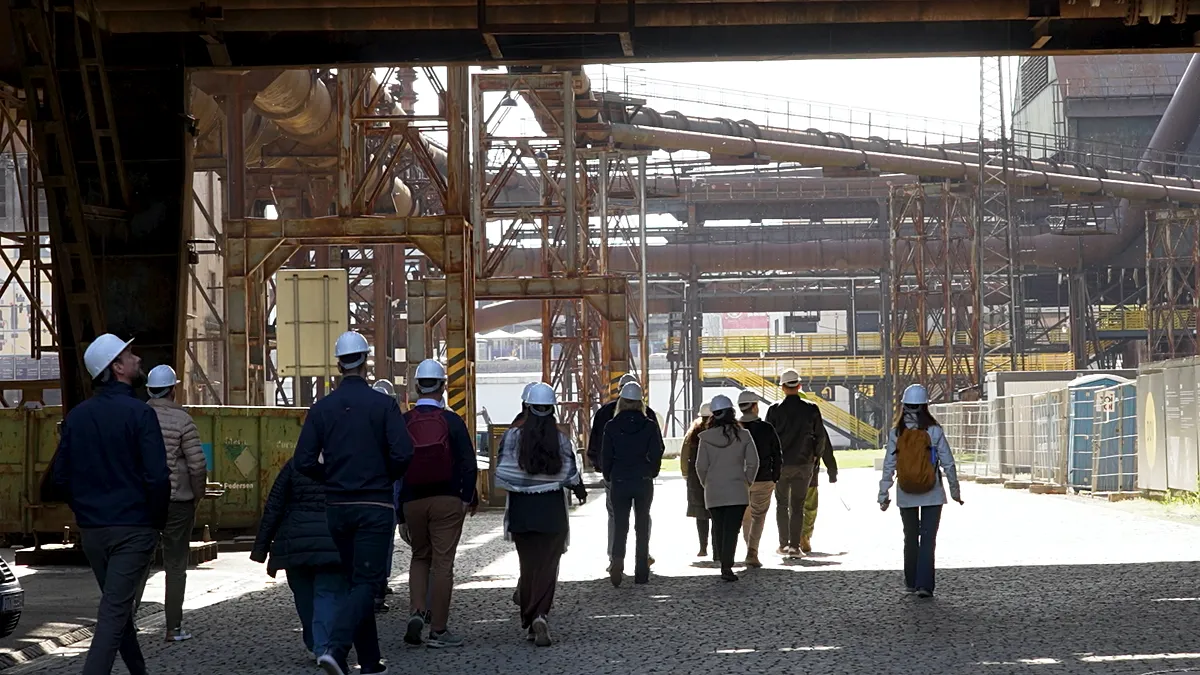
Located in the Czech Republic, Hyundai’s Nošovice plant is one of the company’s fourteen global production sites. With over 2,900 employees and more than 500 robots in operation, it is a testament to advanced manufacturing. However, the facility also serves as an educational and tourist attraction, offering guided tours that provide insight into its daily operations. Visitors can witness the production of 1,500 cars each day, with the option to explore the site via a small electric train that shuttles groups around the sprawling 200-hectare complex. These tours, available three days a week, are free of charge and conducted in English, German, French, Polish, and Spanish.
“We usually host groups of around 35 people, who take a guided tour through the plant using an electric train,” explains Barbora Hermanová, Public Relations Manager at Hyundai Motor Manufacturing in Czechia. “This experience allows visitors to see firsthand how the industrial sector drives innovation and sustains local economies.”
The project’s focus extends beyond mere sightseeing, aiming to foster a deeper connection between tourists and the communities that once thrived in these spaces. In the city of Ostrava, the former steelworks of Dolní Víktovice have been reborn as a multifaceted attraction. Closed in 1998, the site has since been revitalized to host music festivals, museums, sports events, and a technology center. The centerpiece of this transformation is the 80-meter-high Bolt Tower, which features viewing platforms and a bar offering panoramic views of the industrial complex, the surrounding Beskidy and Carpathian mountains, and the city of Ostrava itself.
Lucia Foltínková, who oversees the steelworks’ tourist experience, highlights the project’s success. “Last year was our best because we crossed the 1.7 million visitor threshold, and we welcome hundreds of children every month,” she says. This blend of historical significance and modern amenities has made Dolní Víktovice a symbol of how industrial sites can be reimagined for public engagement. The region’s commitment to this approach has set a precedent for other areas participating in IndusTour.
Global and Local Collaborations
The IndusTour project spans multiple regions, including the French Auvergne-Rhône-Alpes, the Polish Łódź Voivodship, Tønder in Denmark, Vojvodina in Serbia, and Cyprus. Each region brings its own industrial narrative to the table, demonstrating the versatility of this concept. For instance, the Bartosovice mill, a 30-minute drive from Ostrava, is a rare gem in the region. Built in 1678, it remains one of the few sites in the country still operating with original equipment. The mill’s historical significance is preserved through its active use of pulleys and traditional machinery, while tour guides share stories that bridge the past and present.
A visitor’s perspective reveals the personal impact of these experiences. “It’s the first time I’ve visited this mill,” says a local couple who recently moved to the town. “My husband and I wanted to explore the area and discover what interesting things are around here.” Their experience underscores how industrial tourism can serve as a cultural anchor, drawing both residents and outsiders to sites that reflect the region’s unique identity. By engaging with these locations, tourists gain a deeper appreciation for the industrial roots that shape Europe’s modern landscape.
The budget for IndusTour totals €1.4 million, with 80% of the funds allocated by the European cohesion policy. This financial support has enabled regions to invest in infrastructure, educational programs, and visitor experiences. For example, the Moravian-Silesian region has developed interactive tours that highlight its transition from coal and steel production to a more diversified economy. Such initiatives not only attract visitors but also create jobs and stimulate local businesses, offering a sustainable alternative to mass tourism.
Industry as a Cultural Connector
Industrial tourism is more than just a solution to overcrowding—it’s a way to celebrate industry as a driver of cultural and economic development. Sites like the Bartosovice mill and Hyundai’s Nošovice plant demonstrate how historical and contemporary industrial practices can be shared with the public. These experiences allow visitors to engage with the human stories behind the machinery, from the workers who once operated in the steelworks to the innovators who now lead modern manufacturing.
By integrating industrial tourism into the broader travel experience, Europe can offer a richer, more immersive alternative to typical holiday spots. The trend is gaining momentum as regions recognize the potential of industrial sites to attract a niche yet growing audience. These locations provide not only a glimpse into the past but also a vision for the future, where history, technology, and community come together to create a unique travel experience.
As cities like Prague, Venice, and Barcelona face the challenges of overcrowding, the success of projects like IndusTour suggests a promising direction. By transforming industrial spaces into tourist destinations, regions can alleviate pressure on urban centers while promoting economic growth and cultural preservation. The key lies in balancing accessibility with authenticity, ensuring that visitors leave with a lasting connection to the place they explored. Industrial tourism, therefore, is not just about reducing crowds—it’s about redefining how we experience Europe’s industrial legacy in a way that is both educational and engaging.
The Path Forward
The future of industrial tourism in Europe depends on continued collaboration and innovation. With the support of the European cohesion policy, the IndusTour project has already demonstrated the viability of this approach. However, further investment and creative programming will be essential to sustain its growth. For instance, integrating virtual reality experiences or interactive workshops could enhance the visitor’s understanding of industrial processes. At the same time, maintaining the human element—through guided tours and local storytelling—ensures that these sites remain relatable and memorable.
As the demand for unique travel experiences rises, industrial tourism is poised to play a significant role in shaping the future of European travel. It offers a refreshing alternative to conventional sightseeing, allowing tourists to explore the backbone of Europe’s economic history while supporting local communities. Whether it’s the futuristic Bolt Tower in Ostrava or the traditional Bartosovice mill, these sites serve as reminders that industry is not just about production—it’s about people, progress, and the shared history that continues to influence our present and future.