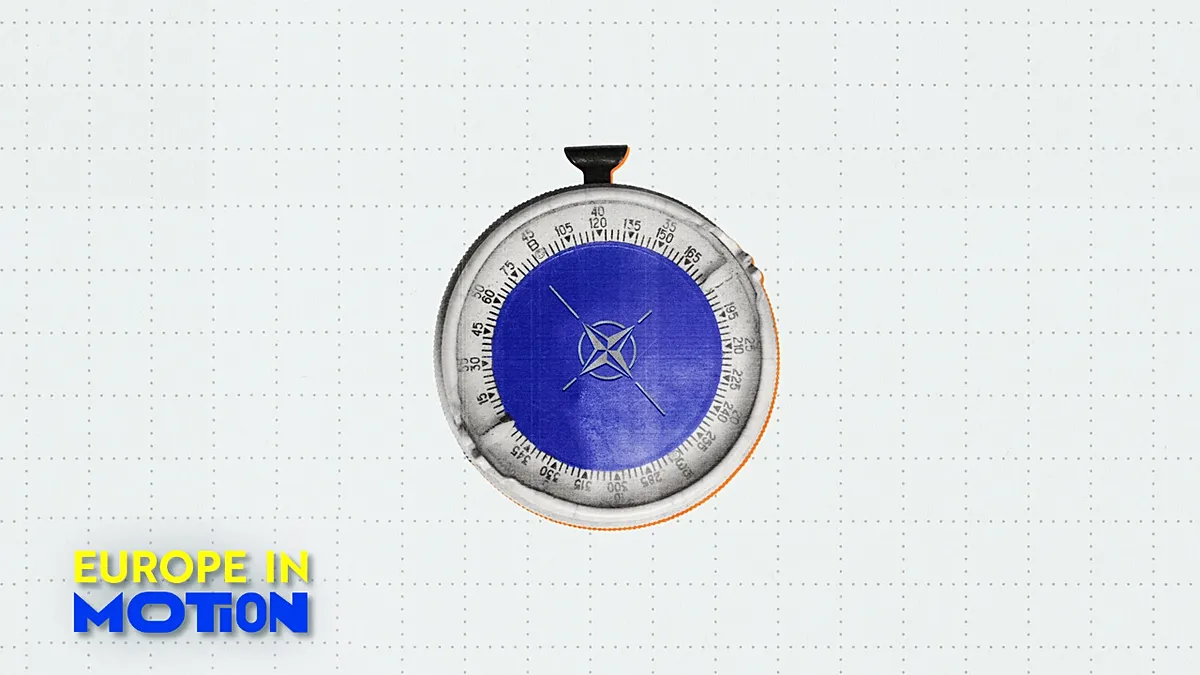
Public Sentiment Toward NATO Across Member Nations
A Period of Turbulence and Resilience
How do citizens of NATO countries – In the past few years, it has become nearly impossible to go a single week without NATO dominating global news cycles. The ongoing conflict in Ukraine, now entering its fifth year following Russia’s comprehensive military offensive, remains at the forefront of the alliance’s priorities. As Kyiv receives unwavering backing from the military bloc, European nations are simultaneously strengthening their own defensive capabilities. Meanwhile, American leadership under President Donald Trump has introduced significant uncertainty during his second presidential term. His administration has issued threats regarding Greenland’s status with Denmark and even suggested the possibility of annexing Canada—both of which are established NATO members. Additionally, Trump has publicly criticized other nations for insufficient defense expenditures and cautioned that the United States might eventually withdraw from the collective security framework.
Despite these challenges, public perception of NATO appears remarkably stable. A comprehensive analysis conducted by the Pew Research Center reveals that citizens across most member states maintain favorable views of the organization. The survey encompassed thirteen nations, with particularly strong approval ratings emerging from Poland at seventy-eight percent, Sweden at seventy-four percent, Germany at seventy-three percent, and Hungary at seventy-two percent.
Transatlantic Perspectives and National Divisions
Non-European participants in the alliance also demonstrate generally positive sentiment. Canadian respondents registered a sixty-seven percent favorable rating, while American citizens showed fifty-seven percent approval. However, the picture becomes more nuanced when examining individual countries. Spain presents an almost evenly divided population, with forty-eight percent holding unfavorable opinions compared to forty-four percent who view NATO favorably. Greece and Turkey stand out with clear majorities expressing negative perspectives, each at fifty-nine percent.
Comparing current data to previous years reveals interesting shifts. France experienced a seven-point decline in positive assessments, Italy dropped by six points, and the United States saw a three-point decrease. Conversely, Greece demonstrated notable improvement with an eight-point increase in favorable views. These variations suggest that domestic political dynamics and regional security concerns continue to shape public opinion differently across member states.
Generational and Partisan Divides
Demographic analysis uncovers significant internal divisions within certain nations. The United States exhibits a pronounced partisan split that mirrors the Trump administration’s skeptical stance toward the alliance. Seventy-five percent of Democratic voters express favorable opinions of NATO, whereas only forty-two percent of Republican supporters share this sentiment. Hungary reveals a compelling generational pattern, with eighty-seven percent of adults aged eighteen to thirty-four holding positive views compared to sixty-four percent of those aged fifty and above.
Similar age-related trends appear in Germany, Italy, the Netherlands, and the United States. Younger populations consistently demonstrate stronger support for the alliance than their older counterparts, potentially reflecting different experiences with global security challenges and international cooperation.
Assessing Russia and Its Leadership
The survey also examined attitudes toward Russia and President Vladimir Putin across all participating nations. Every NATO member surveyed expressed unfavorable opinions of Russia, with Sweden showing the strongest sentiment at ninety-four percent, followed by Poland at eighty-six percent and the Netherlands at eighty-five percent. Turkey presents a marginal case, where negative opinions slightly exceeded positive ones at forty-nine percent versus forty-seven percent.
When Europe is taken as a whole, Russia is consistently unpopular: at least six in 10 adults in each European country surveyed expressed an unfavourable view of Russia.
Confidence in Putin’s ability to handle international affairs follows a comparable pattern. Majorities across both European and American nations indicate they lack faith in his decision-making regarding global matters. The lowest confidence ratings appeared in Poland, Sweden, Spain, and the Netherlands. Turkey, Greece, and Hungary showed the highest confidence levels, though these remained minority positions at thirty-nine percent, thirty-five percent, and thirty-three percent respectively.
Ukraine’s President and Future Outlook
Views on Ukrainian President Volodymyr Zelenskyy reveal considerable variation among NATO citizens, despite the alliance’s sustained support for Kyiv. Swedish respondents (eighty-three percent), British citizens (sixty-eight percent), and Dutch nationals (sixty-seven percent) demonstrate the strongest confidence in Zelenskyy’s leadership. Hungarian (seventy-eight percent), Greek (seventy-five percent), and Turkish (seventy percent) respondents are more inclined to express doubt.
American attitudes toward Zelenskyy remain cautiously optimistic, with half of respondents expressing confidence compared to forty percent who do not. This stability persists even as bilateral relations between the United States and Ukraine have grown more unpredictable following Trump’s return to the presidency. These findings suggest that while political leadership may shift, public support for international alliances and their objectives tends to endure through periods of diplomatic turbulence.