EU Countries Push for Stronger Safeguards to Prevent Orbán-Style Reversals
Five EU countries push tougher safeguards – Five EU nations are advocating for stronger safeguards in the bloc’s expansion process to ensure new members uphold democratic values and human rights, a move aimed at avoiding the pitfalls of Hungary’s Viktor Orbán. Germany, France, the Netherlands, Belgium, and Luxembourg have joined forces to propose revisions to the accession treaties, emphasizing the need for legal frameworks that can swiftly address violations once a country joins the EU. The initiative, which has gained traction in recent diplomatic talks, underscores the bloc’s growing concern over the potential for democratic backsliding in future members.
Revisions to Membership Agreements
The proposed changes aim to introduce stricter conditions for EU accession, including penalties for non-compliance. These would allow Brussels to suspend financial aid or voting rights for members that breach core principles, such as judicial independence or press freedom. The reforms also suggest limiting the transitional veto power of new members, preventing them from blocking critical decisions for extended periods. This approach is designed to ensure consistent adherence to EU values and reduce the risk of abrupt policy reversals, as seen in Orbán’s tenure.
According to EU officials, the current enlargement process has proven insufficient to address challenges like Hungary’s erosion of democratic norms. “We must embed accountability mechanisms into future treaties to prevent a repeat of Orbán’s influence over EU decisions,” a representative stated. The five countries argue that past agreements are not enough to counteract the rise of populist leaders who may prioritize national interests over collective European goals. This has led to calls for a more adaptable framework that can enforce rules even after a country is fully integrated.
Orbán’s Impact on EU Expansion
Viktor Orbán’s 16-year leadership in Hungary has raised concerns about the EU’s ability to enforce democratic standards. His reforms weakened institutional checks and balances, triggering legal disputes and the freezing of billions in EU funds. Critics accuse Orbán of undermining EU unity by resisting key agreements, such as the €90 billion loan package for Ukraine. The proposed safeguards seek to rectify this by granting Brussels greater leverage to address such issues before they escalate.
The five countries stress that the new clauses would not only prevent Orbán-style reversals but also set a clear precedent for future candidates. “A copy-paste approach to existing treaties won’t suffice,” one diplomat said, highlighting the need for a dynamic system that evolves with emerging challenges. By incorporating the principle of “sincere cooperation” into treaties, the EU aims to ensure that members actively commit to upholding democratic principles, rather than merely signing agreements.
Montenegro and the Blueprint for Enlargement
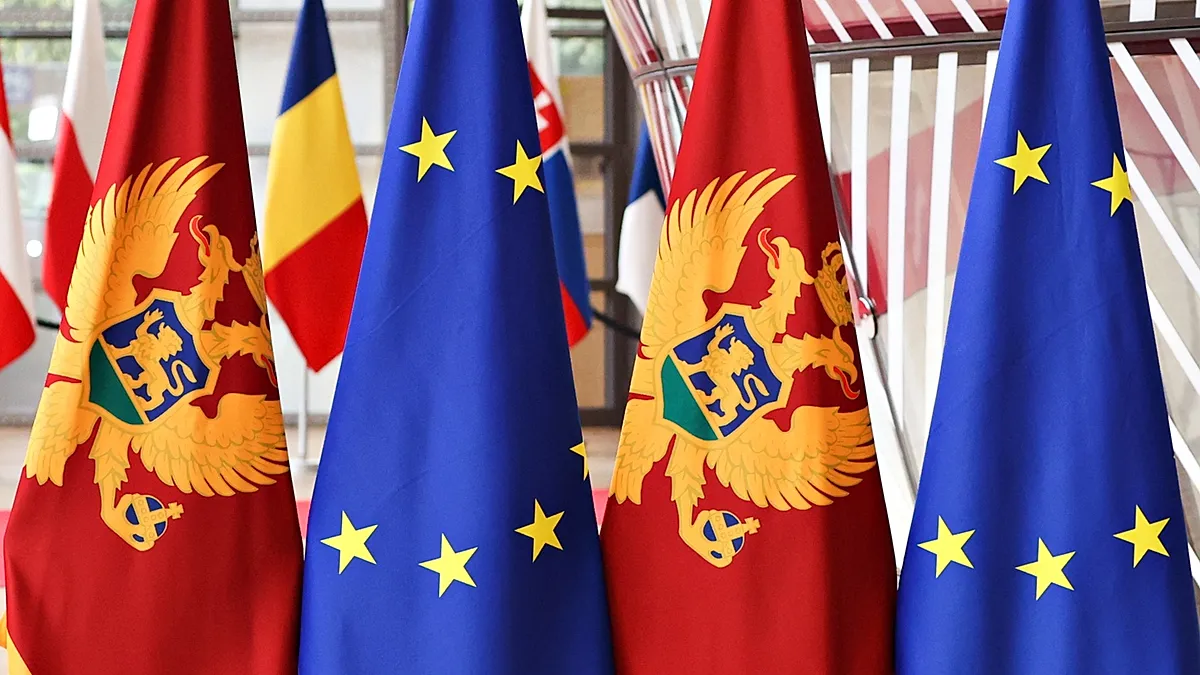
As the EU finalizes Montenegro’s accession treaty, the proposed safeguards are seen as a blueprint for future members. The document includes provisions that reflect broader anxieties in EU capitals about Ukraine’s compliance with EU standards. For example, it suggests extended transitional periods for policies like the Common Agricultural Policy and cohesion funds, which are crucial for managing labor markets and economic integration. These adjustments aim to create a more resilient framework for the bloc’s expansion.
The emphasis on the rule of law is central to the reforms. Recent years have exposed vulnerabilities in the EU’s ability to correct course after accession, as seen in the democratic backsliding of countries like Poland and Slovakia. The proposed non-regression clause would bind new members to their commitments, ensuring they do not roll back progress in key areas. This marks a shift toward a more proactive strategy, where the EU can intervene quickly to protect its values.