EU Targets Russia’s Patriarch Kirill in New Sanctions Proposal
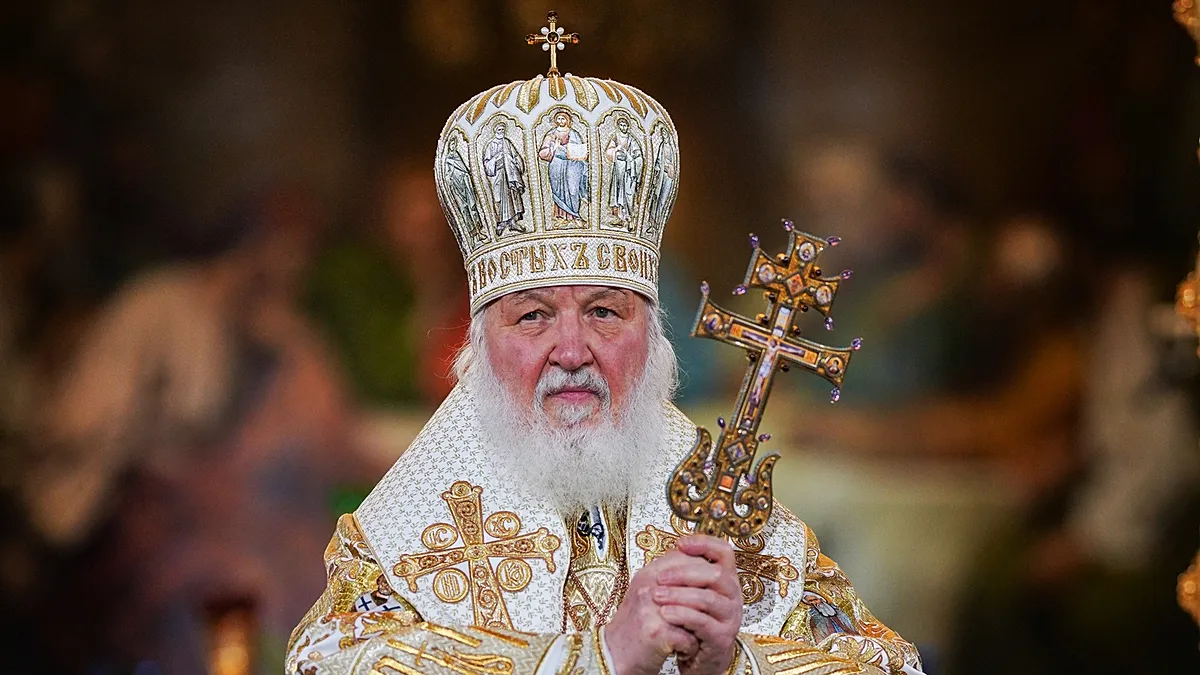
EU targets Russia s Patriarch Kirill – The European Union is set to reintroduce sanctions against Patriarch Kirill, the spiritual leader of Russia’s Orthodox Church, following a shift in Hungary’s stance. This move comes after the country previously blocked the initiative in 2022, as revealed by three diplomats who confirmed the inclusion of Kirill’s name in the latest package to Euronews. The decision, announced on Tuesday, is part of a broader effort to address the Russian Orthodox Church’s role in the ongoing conflict in Ukraine.
Reviving the Sanctions Motion
Brussels typically keeps the identities of sanctioned individuals confidential until member states finalize the measures. However, the recent proposal has been unveiled, signaling a renewed push. The sanctions include asset freezes and travel bans, targeting those deemed to have contributed to the war effort. Kirill, a polarizing figure, has faced accusations of promoting revisionist narratives that support Russia’s military actions in Ukraine.
Under Kirill’s leadership, the Russian Orthodox Church endorsed a document that framed the invasion of Ukraine as a “Holy War” and called for the eradication of Ukrainian independence. This has drawn criticism from EU officials, who argue that the church’s statements align with the Kremlin’s geopolitical ambitions. The EU first attempted to blacklist Kirill in 2022, but Hungary’s opposition led to the proposal’s rejection.
Viktor Orbán, then Hungary’s prime minister, had argued that sanctioning Kirill would infringe on religious freedom. His government’s veto made headlines and sparked debates across the bloc, with many member states expressing frustration. The situation remained unresolved until last month, when the new Hungarian administration, led by Péter Magyar, signaled its willingness to support the measure.
The Politics of Religious Influence
Kirill’s dual role as a religious and political figure has made him a focal point for EU policymakers. His influence extends beyond the church, with his rhetoric often echoing state narratives. The latest proposal seeks to isolate him further, aiming to cut off his financial resources and restrict his movement within the EU. However, securing unanimous agreement remains a challenge, as some member states may still be hesitant.
The process of implementing sanctions requires consensus, and Kirill’s inclusion has not been without controversy. While the new Hungarian government has endorsed the move, others might resist to avoid undermining the bloc’s unity. EU officials are now working to align the 27 member states, with the goal of finalizing the 21st sanctions package by July 15th. This deadline is critical, as it will determine whether the price cap on Russian oil undergoes an automatic revision.
The decision to target Kirill reflects a broader strategy to apply pressure on Russia through its cultural and religious institutions. By sanctioning key figures, the EU hopes to delegitimize the narratives that justify the war and weaken the moral authority of the Russian Orthodox Church. This approach has been part of a larger campaign to isolate Moscow economically and diplomatically.
Despite the progress, the path to final approval is fraught with potential obstacles. Some member states may still prioritize their relationships with Russia or seek to balance the sanctions with diplomatic engagement. The EU’s ability to navigate these challenges will determine the success of the proposal. Kirill’s name in the sanctions list also highlights the growing intersection between religion and politics in the context of international conflicts.
Historical Context and Future Implications
The 2022 veto by Hungary marked a significant moment in the EU’s sanctions strategy. At the time, the decision was seen as a symbol of Hungary’s resistance to stricter measures against Russia. However, the current administration’s U-turn suggests a willingness to align more closely with the bloc’s objectives. This change in position could have broader implications for the EU’s relations with Hungary and its role in shaping the sanctions agenda.
Kirill’s inclusion in the sanctions package is not only a political move but also a strategic one. His influence within Russia is considerable, and his support for the war has been a key factor in mobilizing public opinion. The EU’s focus on him underscores the importance of addressing the ideological underpinnings of the conflict. The proposed measures aim to disrupt his ability to spread propaganda and bolster the Russian government’s narrative.
The process of negotiating the sanctions package has been a delicate balancing act. While the EU seeks to maintain unity, individual member states may negotiate for exemptions or adjustments. For instance, some countries might push to remove names from the list to ensure broader support. This dynamic has been evident in previous rounds of sanctions, where compromises were necessary to achieve consensus.
Brussels’ insistence on finalizing the 21st package by July 15th adds urgency to the negotiations. The deadline is tied to the automatic revision of the oil price cap, which could have economic repercussions for the EU. If the sanctions are approved, they will further tighten the financial grip on Russia, potentially affecting its energy exports and international trade. This could signal a more aggressive stance in the coming months.
As the EU moves forward, the question remains: will all member states rally behind the sanctions? The answer will depend on the broader political climate and the willingness of countries to prioritize collective action over national interests. Kirill’s case serves as a test of the EU’s ability to reconcile its economic and ideological goals. His inclusion in the sanctions list is a clear statement of intent, but it also highlights the complexities of targeting figures who hold significant cultural and religious sway.
The proposed sanctions are part of a series of measures designed to weaken Russia’s position in the global arena. By targeting Kirill, the EU is not only addressing the immediate conflict but also sending a message about the importance of accountability in international affairs. This move may encourage other religious leaders to distance themselves from the Russian government or face similar consequences.
In conclusion, the EU’s new sanctions proposal against Patriarch Kirill represents a multifaceted approach to countering Russia’s influence. It combines economic pressure with ideological critique, aiming to undermine the narratives that justify the war in Ukraine. The success of this initiative will depend on the collective will of member states to maintain unity, despite the political challenges involved. The upcoming deadline serves as a reminder of the high stakes and the need for swift decision-making in the face of ongoing conflict.